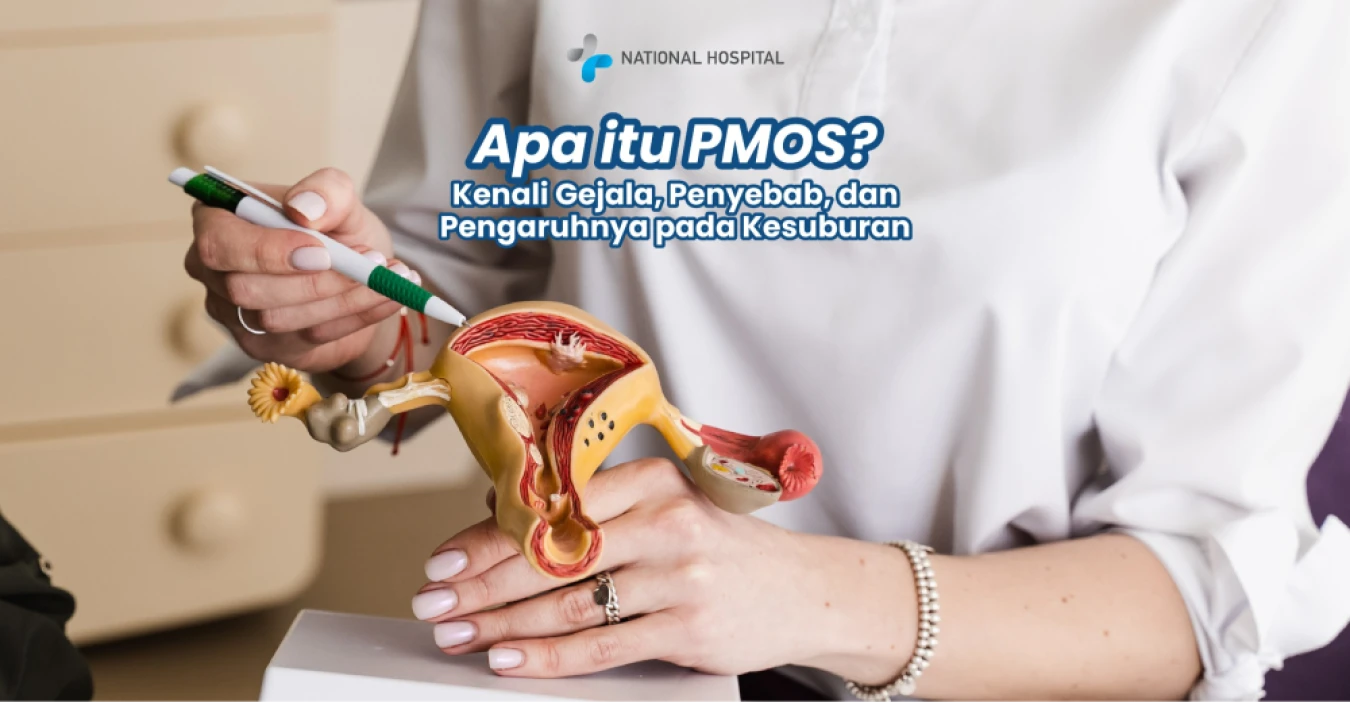
Frequent menstrual delays, persistent acne, and difficulty managing weight may be signs of a hormonal disorder. One condition worth understanding is PMOS, previously more commonly known as PCOS.
PMOS, or Polyendocrine Metabolic Ovarian Syndrome, is the new name for the condition formerly known as Polycystic Ovary Syndrome (PCOS). This name change aims to provide a more comprehensive understanding of the condition, as PMOS is not only related to the ovaries but also involves the body's hormonal and metabolic systems.
PMOS is a hormonal and metabolic condition that can affect menstrual cycles, skin health, hair growth, and fertility.
PMOS is a condition involving hormonal imbalances and metabolic disturbances, including elevated androgen levels and ovulatory dysfunction.
Previously, this condition was known as PCOS or Polycystic Ovary Syndrome. The term PCOS was considered insufficient to describe the condition as a whole because it seemed to focus primarily on the presence of cysts in the ovaries. In fact, not all women with PMOS show polycystic ovarian morphology during an ultrasound examination.
The name change to PMOS emphasizes the broader relationship between this condition and the endocrine system, metabolism, and ovarian function. PMOS commonly affects women of reproductive age. If not properly managed, it can affect menstrual cycles and fertility, as well as increase the risk of long-term metabolic disorders.
Every woman may experience a different combination of symptoms. However, the following signs should be noted:
Menstruation may occur less frequently, become unpredictable, or even stop for a period of time. This can happen because ovulation does not occur regularly.
Higher androgen levels can stimulate the oil glands, causing the skin to become oilier. Acne may also occur more frequently, including on the face, chest, and back.
Some women may experience thicker hair growth on the face, chin, chest, or abdomen. Others may experience thinning hair on the scalp.
PMOS is often associated with insulin resistance and changes in the body's metabolism. These conditions can affect weight management, although not all women with PMOS experience weight gain.
Ovulatory dysfunction can cause irregular egg release, which may reduce the chances of pregnancy. PMOS is one of the common causes of fertility problems related to ovulation.
The exact cause of PMOS is not yet fully understood. However, several factors are known to be associated with this condition.
A family history of PMOS or type 2 diabetes may increase a person's risk of developing this condition.
Insulin resistance occurs when the body's cells do not respond optimally to insulin. As a result, the body may produce more insulin. High insulin levels can stimulate androgen production and contribute to ovulatory dysfunction.
Elevated androgen levels and disruptions in reproductive hormone regulation can affect follicle maturation and the ovulation process.
PMOS is a long-term condition for which there is currently no permanent cure. However, its symptoms and risk factors can be managed through appropriate treatment.
Doctors will tailor treatment based on each patient's symptoms, health condition, and pregnancy plans. Management options may include:
PMOS is a long-term condition that can be managed through lifestyle modifications, medication, and regular health monitoring.
With appropriate management, symptoms can be controlled, metabolic health can be maintained, and quality of life can be improved. Treatment can also be tailored to each patient's reproductive needs.
Yes. Women with PMOS still have the opportunity to become pregnant.
Although ovulatory dysfunction can affect fertility, there are medical treatment options that can help support the ovulation process.
If you are experiencing difficulty getting pregnant, consulting an obstetrician and gynecologist can help determine the appropriate examinations and treatment options.
Diagnosing PMOS requires an evaluation by a doctor. The assessment may include:
In adult women, diagnosis generally considers at least two of the following three criteria: ovulatory dysfunction, clinical signs or laboratory findings indicating androgen excess, and polycystic ovarian morphology or elevated AMH levels, in accordance with applicable guidelines. Doctors must also rule out other conditions that may cause similar symptoms.
If you experience irregular menstruation, persistent acne, excessive hair growth, or have concerns about your fertility, do not hesitate to consult an obstetrician and gynecologist at National Hospital.
National Hospital is ready to help you gain a comprehensive understanding of your reproductive health and develop an examination and treatment plan tailored to your needs.
References:
1. World Health Organization (WHO). Polycystic Ovary Syndrome. https://www.who.int/news-room/fact-sheets/detail/polycystic-ovary-syndrome
2. American College of Obstetricians and Gynecologists (ACOG). Polycystic Ovary Syndrome (PCOS). https://www.acog.org/womens-health/faqs/polycystic-ovary-syndrome-pcos






 info@national-hospital.com
 Suggestion
 Login