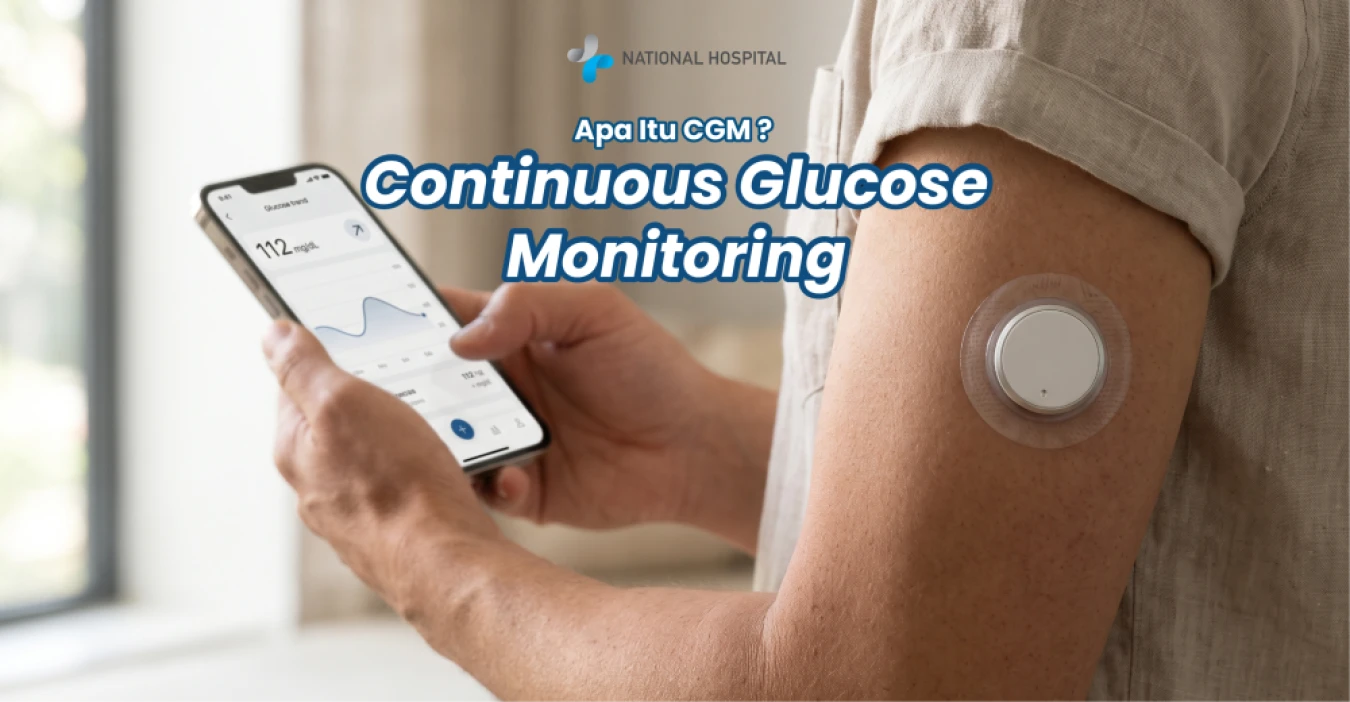
Managing blood sugar no longer always requires repeated finger pricks. Continuous glucose monitoring (CGM) is a technology that helps automatically monitor blood glucose levels throughout the day and night, allowing people with diabetes to make more informed treatment decisions.
Continuous glucose monitoring is a method of tracking blood glucose levels using a small sensor attached to the body, usually on the upper arm or abdomen. Unlike conventional blood glucose meters, which provide a reading at a single point in time, CGM provides continuous readings and tracks changes in glucose levels over time.
A CGM system typically consists of a sensor, transmitter, and an application or receiver device. The sensor measures glucose in the interstitial fluid, the fluid surrounding the body's cells, and then wirelessly transmits the data to a smartphone or another device.
The CGM sensor is placed just beneath the surface of the skin and measures glucose levels in the interstitial fluid. These readings closely reflect blood glucose levels and can therefore be used to monitor glucose levels conveniently.
Data from the sensor is sent to a smartphone application, insulin pump, or dedicated receiver. Users can view their current glucose readings, whether levels are trending upward or downward, and their glucose history in the form of graphs.
CGM provides a more comprehensive picture of glucose levels compared with occasional blood glucose checks. With more detailed information, diabetes management can become more targeted and responsive.
CGM displays estimated glucose levels every few minutes, allowing you to identify changes more quickly. This information helps reveal glucose patterns throughout the day, including during sleep.
Many CGM devices are equipped with alerts that notify users when glucose levels are too low (hypoglycemia) or too high (hyperglycemia). This feature is important because these conditions can be dangerous if not addressed promptly.
CGM graphs show how food, exercise, medication, and stress affect blood glucose levels. With this information, you can discuss adjustments to your diet, physical activity, and treatment plan with your doctor based on your individual needs.
CGM reduces the need for finger pricks because glucose readings are collected automatically by the sensor. However, under certain circumstances, your doctor may still recommend a finger-prick blood glucose test to confirm CGM readings.
CGM is generally recommended for people with type 1 diabetes, people with type 2 diabetes who use insulin, and individuals who frequently experience unstable blood glucose levels. Some CGM devices have also been approved for use by adults without diabetes who do not use insulin.
However, individual needs vary. The choice of device and how to interpret its readings should be tailored to your health condition and treatment plan.
The sensor is generally inserted using a small applicator, so any discomfort is usually brief and tolerable. If you experience significant pain, skin irritation, or swelling, consult a healthcare professional promptly.
Sensor lifespan varies depending on the device. Disposable sensors generally need to be replaced every 7–14 days, while certain implantable sensors can last up to 180 days.
Not everyone without diabetes needs CGM. This device can help monitor glucose trends, but the decision to use it should be made in consultation with a doctor to ensure it is appropriate for your needs and health condition.
You should consult a doctor if you frequently experience high or low blood glucose levels, have difficulty controlling diabetes symptoms, or are considering using CGM. A doctor should also evaluate your CGM results if you notice unusual changes in your glucose patterns.
National Hospital provides consultation services with experienced Internal Medicine Specialists who manage a wide range of conditions, including endocrine disorders and diabetes. Our medical team can help assess your blood glucose monitoring needs and develop a diabetes management plan tailored to your health condition.






 info@national-hospital.com
 Suggestion
 Login