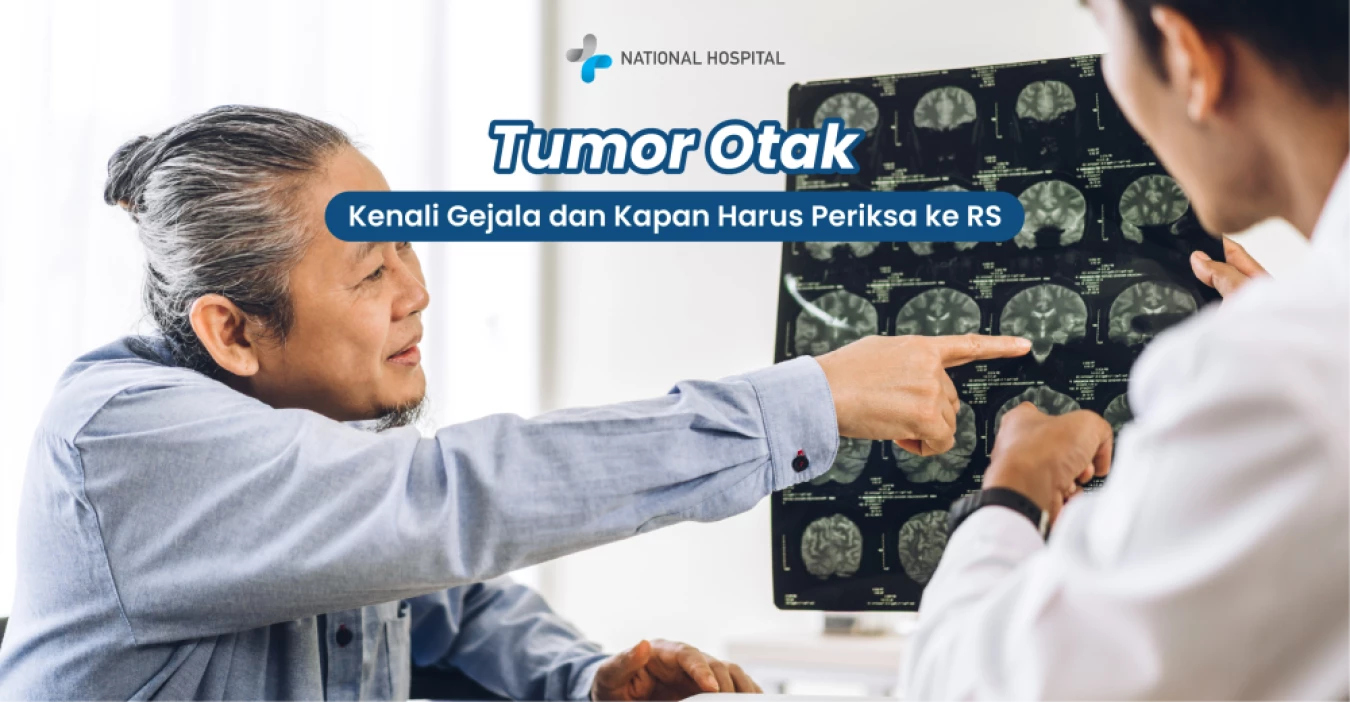
World Brain Tumor Day is observed every year on June 8 as an opportunity to raise public awareness about brain tumors. This observance aims to educate people on the importance of recognizing symptoms, seeking early detection, and understanding the various treatment options available.
So, what exactly is a brain tumor? Here is an overview.
A brain tumor is an abnormal growth of tissue within the brain or in surrounding structures, including the brain's protective membranes (meninges), cranial nerves, and other structures inside the skull.
Brain tumors may originate from the brain tissue itself (primary brain tumors) or result from cancer spreading from another part of the body to the brain (secondary brain tumors or brain metastases).
This condition can interfere with normal brain function by compressing or damaging surrounding tissues. In some cases, brain tumors can lead to significant neurological impairment, disability, and may become life-threatening if not treated appropriately.
Based on their nature, brain tumors are classified into:
To date, the exact cause of most primary brain tumors remains unknown. However, experts believe that brain tumors develop due to genetic changes or mutations in cells that cause uncontrolled cell growth and division, resulting in the formation of a mass or tumor.
Several factors are known to increase the risk of developing a brain tumor, including:
Brain tumor symptoms can vary from person to person depending on the tumor’s size, type, location, and growth rate.
In the early stages, some patients may not experience specific symptoms. However, common signs and symptoms include:
Not every headache or neurological symptom indicates a brain tumor. However, you should seek medical evaluation promptly if you experience:
Recognizing symptoms early and consulting a doctor promptly for persistent neurological complaints are important steps in managing brain tumors.
With advances in medical technology, treatment options can now be tailored to each patient's condition, including surgery, radiotherapy, chemotherapy, and targeted therapy. Early and appropriate treatment can help improve quality of life and increase the likelihood of successful outcomes.
On World Brain Tumor Day, the public is encouraged to pay greater attention to brain health and not ignore symptoms that may be early warning signs of a brain tumor. If you or a family member experiences symptoms suggestive of a neurological disorder, consult a doctor promptly for proper evaluation and treatment.
National Hospital provides comprehensive brain tumor care through the National Hospital Neuroscience Center (NHNC). The service is supported by experienced specialists, modern diagnostic technology, and advanced neurosurgical techniques, including Keyhole Brain Surgery (minimally invasive brain surgery), Endoscopic Endonasal Surgery (tumor removal through the nasal passage), Skull Base Surgery, and Intraoperative Neurophysiological Monitoring (IOM) to help ensure safe and optimal treatment for every patient.






 info@national-hospital.com
 Suggestion
 Login
Login