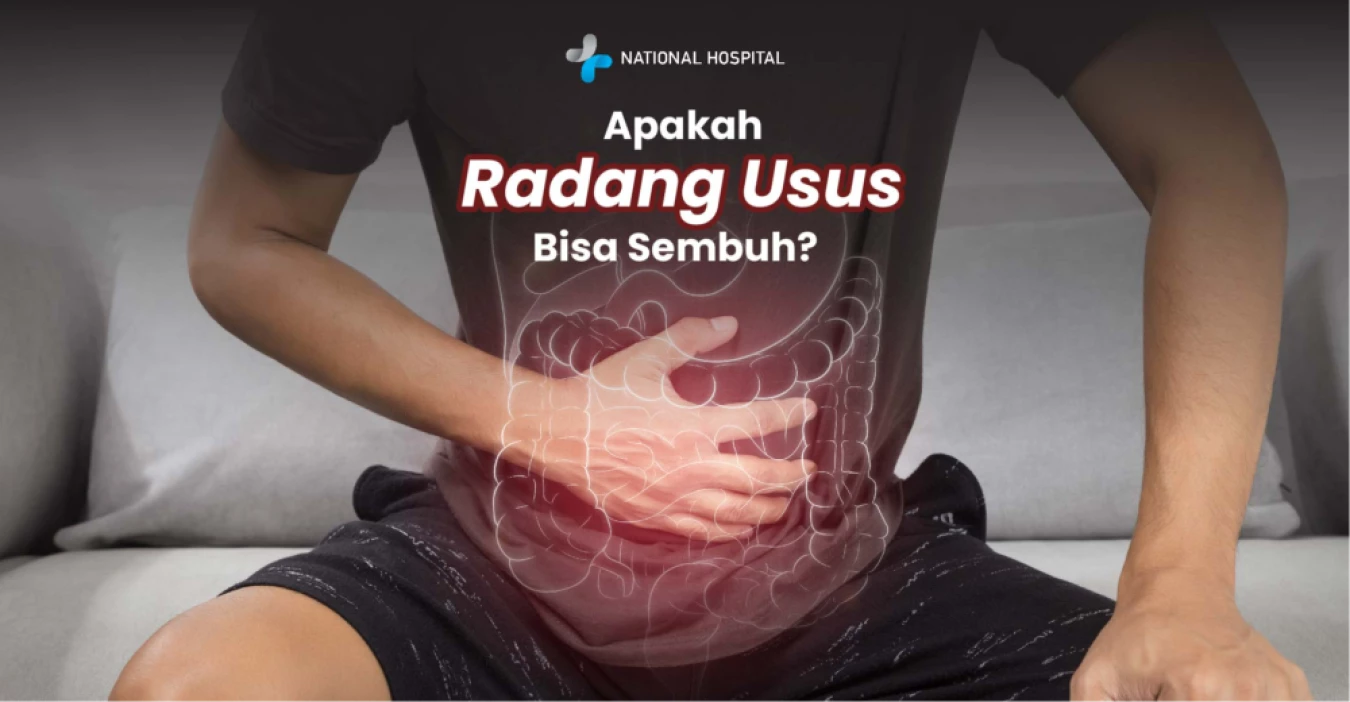
Inflammatory bowel disease (IBD) is a chronic inflammatory condition that affects the digestive tract. The two main types of IBD are ulcerative colitis and Crohn’s disease.
This condition can significantly disrupt daily life, often leaving patients wondering, “Can inflammatory bowel disease be completely cured?” In general, IBD is a chronic illness, which means there is currently no treatment that can fully and permanently cure it.
However, the good news is that with proper treatment and care, inflammation can be controlled, symptoms can be reduced, and patients can achieve long-term remission—even living a normal life.
So rather than focusing on whether IBD can be cured, treatment goals center on achieving remission and preventing flare-ups. Consistent, disciplined care is crucial in managing this condition.
Recognizing and monitoring IBD symptoms is essential for early and effective treatment.
The most common symptoms involve digestive disturbances. These include recurring stomach pain or cramping, chronic diarrhea that may contain blood or mucus, and urgent bowel movements (tenesmus). These signs often indicate active inflammation.
Chronic inflammation in the intestines can interfere with nutrient absorption. Combined with reduced appetite due to discomfort and pain, significant weight loss and even malnutrition may occur. Other systemic symptoms include chronic fatigue and fever.
While the question of whether IBD can be cured often arises, effective disease management can greatly improve quality of life. The primary goals are to relieve symptoms, control inflammation, and prevent complications.
The most important first step is seeking professional medical help. Gastroenterologists are doctors who specialize in treating conditions like IBD. They may perform comprehensive evaluations, including blood tests, stool tests, endoscopy, and imaging to diagnose and assess the type and severity of your IBD.
Diet plays a significant role in symptom management. Although no single diet works for all patients, avoiding trigger foods (such as spicy foods, high-fat foods, high-fiber foods during flare-ups, or dairy products for those with lactose intolerance) can help reduce intestinal irritation. A low-residue diet may be recommended during flares. Managing nutritional intake is key to controlling symptoms.
Standard medical treatments include anti-inflammatory medications (such as 5-ASA), corticosteroids for short-term inflammation relief, immunosuppressants, and biologic therapies. Biologics are often preferred for moderate to severe cases because they target specific proteins involved in inflammation.
Adherence to your treatment plan is essential for achieving and maintaining remission—allowing patients to focus on quality of life rather than whether IBD can be cured.
IBD requires lifelong management. Regular check-ups, nutritional monitoring, and medication adjustments are integral parts of care.
In severe cases that do not respond to medication, surgery may be necessary. Remember, the primary goal of treatment is to achieve a symptom-free, normal life—even if the condition cannot be cured entirely.
Although the question “Can IBD be cured completely?” remains a challenge in modern medicine, advancements in technology and treatment options make it highly manageable.
For an accurate diagnosis and advanced care, you can consult the specialist team at National Hospital Surabaya, who are committed to providing the best treatment for IBD patients.






 info@national-hospital.com
 Suggestion
 Login
Login