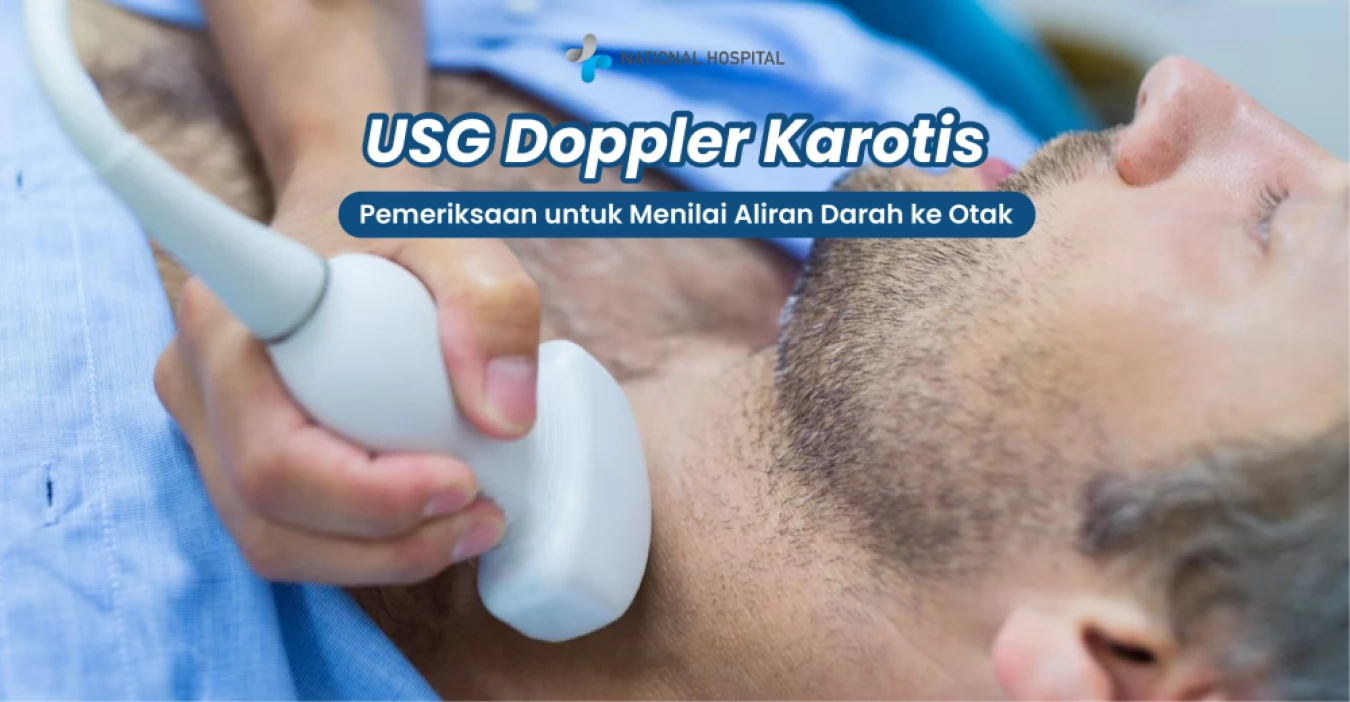
Carotid Doppler Ultrasound is a simple, safe, painless or noninvasive, and radiation-free examination to assess the condition of the carotid blood vessels in the neck and evaluate blood flow to the brain. This examination uses sound waves (ultrasound) to display images of buildup within the carotid arteries.
Carotid Doppler Ultrasound helps doctors detect plaque buildup (atherosclerosis), narrowing of the blood vessels (stenosis), or blood flow disturbances that may be associated with the risk of stroke. Here is a complete explanation!
The carotid arteries are large blood vessels located on both sides of the neck. These vessels carry oxygen-rich blood from the heart to the brain. As people age or when risk factors such as high blood pressure, diabetes, high cholesterol levels, smoking habits, and heart disease are present, atherosclerotic plaque may form on the walls of the blood vessels.
The plaque can cause the blood vessels to become increasingly narrow. This condition is called carotid stenosis. If the narrowing is severe enough or part of the plaque/broken blood clot obstructs the blood vessels in the brain, this condition can increase the risk of stroke or transient ischemic attack (TIA), which is often referred to as a mild stroke or temporary stroke.
Carotid Doppler Ultrasound does not only examine the shape of the blood vessels, but also helps assess how blood flows through them. In general, the examination can assess:
Duplex examination usually combines two-dimensional imaging, color Doppler, and spectral Doppler to assess the structure of the blood vessels as well as the characteristics of blood flow.
Carotid Doppler Ultrasound combines standard ultrasound imaging (duplex/2D) with a special technology called the Doppler effect. How it works:
Carotid Doppler Ultrasound is not always necessary for everyone. Doctors may consider the examination based on symptoms, physical examination findings, medical history, and the patient's risk factors. The examination may be considered in certain conditions, for example:
However, it is important to note that Carotid Doppler Ultrasound is not a routine screening examination for everyone without symptoms. The United States Preventive Services Task Force (USPSTF) recommends against routine screening for carotid artery stenosis in asymptomatic adults because its benefits have not been proven to outweigh the potential harms. Therefore, the decision to undergo the examination should be based on a doctor's assessment.
Not always. Plaque indicates the presence of an atherosclerotic process, but the level of risk is not determined solely by how severe the narrowing of the blood vessels is. Plaque characteristics can also be part of the risk assessment. Therefore, doctors may consider several factors at the same time, such as:
Vascular guidelines also emphasize that plaque characteristics can provide additional information regarding the risk of stroke in certain patients.
In general, no special preparation is required when undergoing a Carotid Doppler Ultrasound examination. Patients can usually:
Nevertheless, follow the instructions provided by the hospital or referring doctor if there are any special preparations.
Carotid Doppler Ultrasound is an examination used to evaluate the blood vessels, but it is not an examination that should be used to delay treatment for acute stroke symptoms. Seek medical attention immediately if symptoms such as the following occur:
These symptoms may be signs of a stroke and require immediate evaluation and treatment.
Carotid Doppler Ultrasound is a noninvasive examination that uses ultrasound technology to assess the condition of the carotid arteries in the neck and evaluate blood flow to the brain. This examination can help doctors detect plaque, narrowing of the blood vessels (stenosis), and blood flow disturbances that may be associated with the risk of stroke.
This examination is relatively safe, comfortable, does not use radiation, and generally does not require special preparation. The examination results will be evaluated by the doctor together with the patient's overall health condition to determine the appropriate course of treatment.
National Hospital provides Carotid Doppler Ultrasound services supported by ultrasound technology to help doctors optimally evaluate the condition of the blood vessels. This examination can be part of an effort to maintain blood vessel health and detect abnormalities according to medical indications.
Do not ignore the health of your blood vessels. Consult a doctor at National Hospital to find out whether Carotid Doppler Ultrasound is appropriate for your condition and needs.






 info@national-hospital.com
 Suggestion
 Login
Login.png)