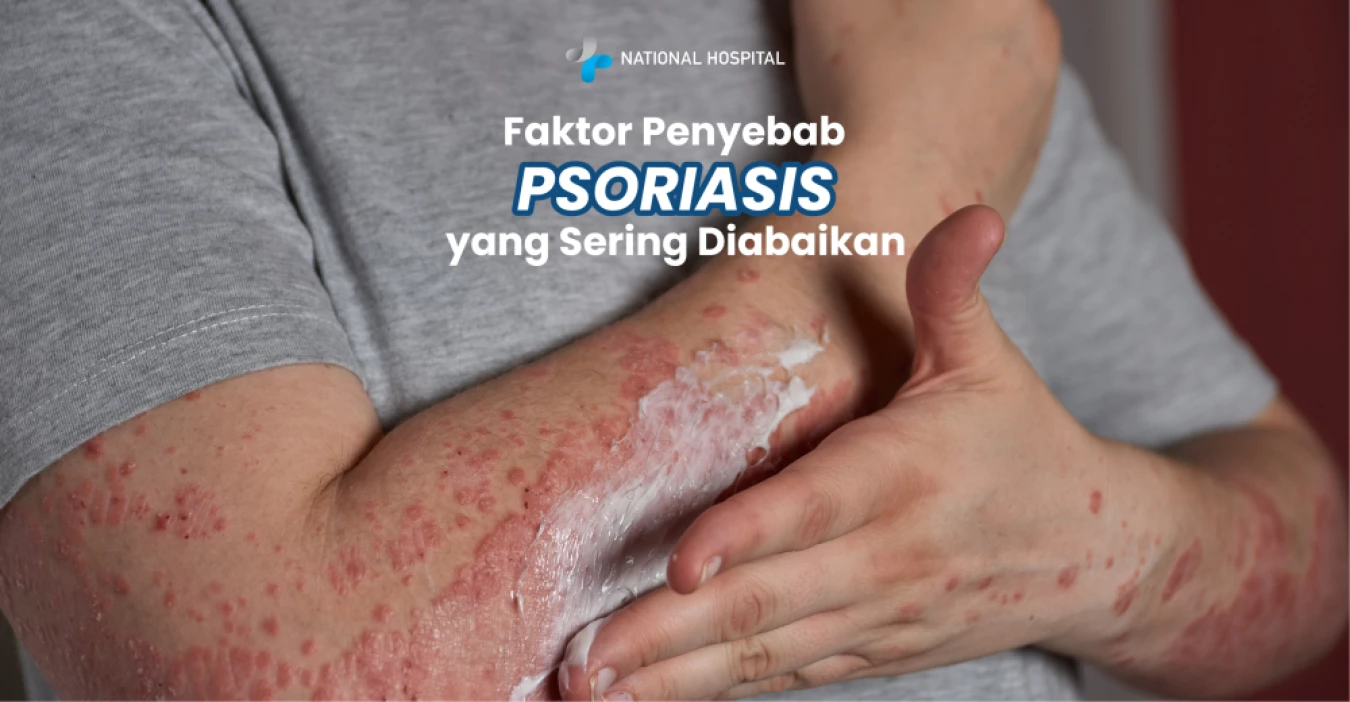
Have you ever noticed thick red patches with silvery scales on the skin? This condition is known as psoriasis. Many people think it is just a common skin problem, when in fact it is a chronic autoimmune disease that can significantly affect quality of life.
Understanding the causes of psoriasis is essential so that it can be properly managed by a dermatologist. If you or someone close to you is experiencing these symptoms, this article will help you gain a deeper understanding of the condition.
Psoriasis is a long-term skin disease in which the life cycle of skin cells speeds up dramatically.
In normal skin, skin cells grow deep beneath the surface and slowly rise to the top, where they shed. This process usually takes about one month. However, in people with psoriasis, this cycle takes only a few days.
As a result, skin cells build up rapidly, forming thick, scaly, dry patches that may feel itchy or painful.
Psoriasis is not merely a skin problem; it is an autoimmune condition. This means that the immune system, which is supposed to fight germs, mistakenly attacks healthy cells in the body.
In this case, immune cells (especially T cells) become overactive and trigger inflammation as well as excessive skin cell production.
Although the primary mechanism is autoimmune, the actual triggers or causes of psoriasis are varied. Psoriasis is often triggered by a combination of internal and external factors.
One of the main contributing factors is genetics. Psoriasis often runs in families. If one of your parents has psoriasis, your risk of developing it increases.
Several specific genes are believed to play a role in increasing a person’s susceptibility to this disease.
Both physical and emotional stress can strongly trigger the onset or worsening of psoriasis symptoms. When the body is under stress, it releases hormones that can stimulate inflammatory responses in the body, including in the skin.
The Koebner phenomenon refers to the appearance of new psoriasis patches on areas of skin that have previously experienced injury or trauma.
This may include scratches, insect bites, severe sunburn, or even tattoos. Skin injury can trigger an immune response that leads to psoriasis lesions.
Infections, particularly those caused by Streptococcus bacteria such as strep throat, often trigger certain types of psoriasis, especially guttate psoriasis. Infections activate the immune system, and in susceptible individuals, this can trigger psoriasis.
Some medications are known to trigger or worsen psoriasis symptoms in certain individuals. These include specific blood pressure medications (such as beta-blockers), antimalarial drugs, and lithium.
Like many other skin conditions, dry and cold weather tends to make the skin drier and more vulnerable, which can trigger flare-ups or worsen psoriasis symptoms.
Lifestyle factors should not be overlooked. Smoking not only harms the lungs but also increases the risk of developing psoriasis and can worsen its symptoms. Excessive alcohol consumption has a similar effect, as it can promote inflammation.
Exposure to certain environmental substances, such as dyes, fragrances, or harsh chemicals, can sometimes act as irritants that trigger immune responses and exacerbate psoriasis.
Psoriasis is a complex condition with many potential triggers. Because there are multiple contributing factors, proper management requires an accurate diagnosis.
If you experience symptoms that may indicate psoriasis, it is very important to consult directly with a dermatologist. For comprehensive care, you may consider facilities such as National Hospital.






 info@national-hospital.com
 Suggestion
 Login
Login