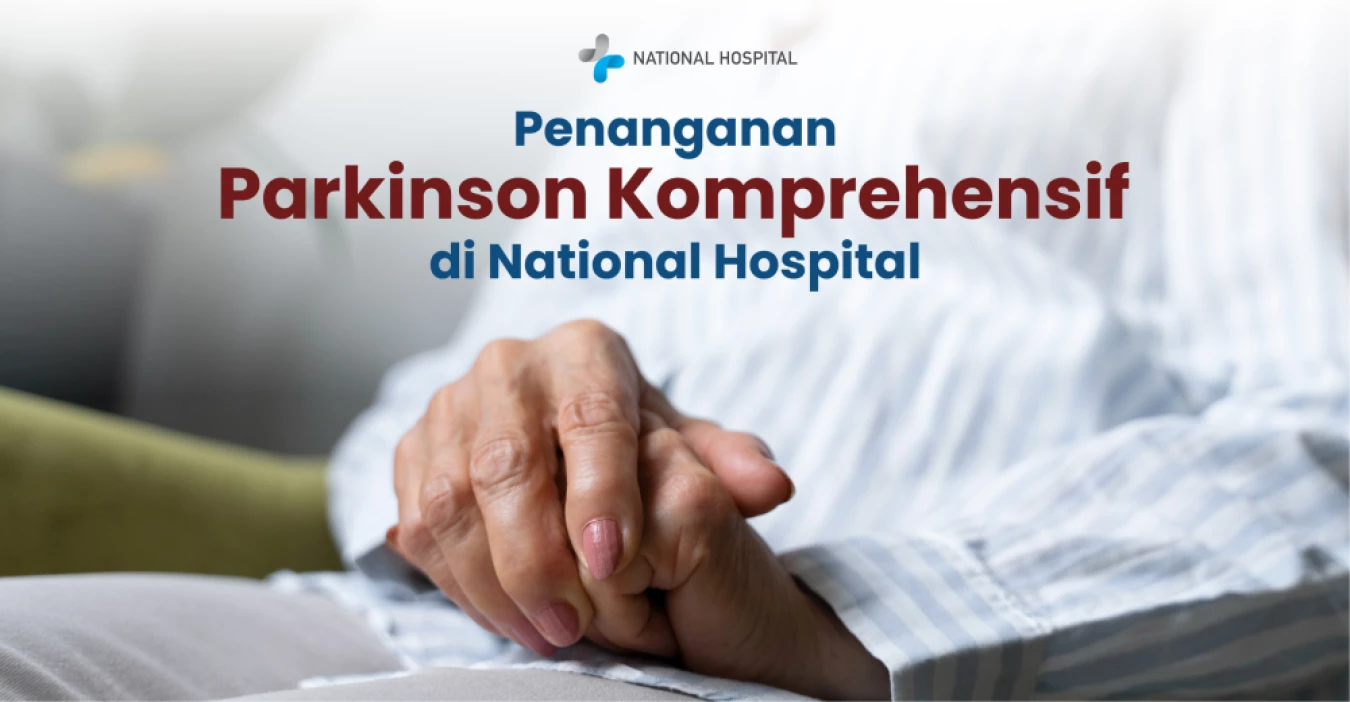
Parkinson's Disease is a progressive neurodegenerative disorder that significantly affects a person’s movement and quality of life. This condition arises due to damage to the nerve cells in the brain responsible for producing dopamine—an essential chemical that influences movement coordination. Parkinson’s is most commonly diagnosed in older adults over the age of 60, but younger individuals may also be affected, particularly when genetic factors or specific environmental exposures are involved.
Symptoms of Parkinson’s vary from person to person and tend to develop gradually. The major hallmark symptoms include:
Diagnosing Parkinson’s disease typically doesn’t rely on a single test but involves a series of comprehensive evaluations. The diagnostic process includes:
Currently, there is no cure for Parkinson’s or treatment that can stop its progression entirely. However, treatments aim to relieve symptoms and improve quality of life.
The main treatment is medication, especially drugs that increase dopamine levels, such as L-Dopa (Levodopa) and other dopamine-related medications. These are tailored to the individual’s symptoms.
DBS is a surgical procedure that improves quality of life by controlling Parkinson’s symptoms, especially when medications no longer provide optimal results. This involves implanting a device that continuously stimulates affected brain areas. DBS has shown up to 90% effectiveness in managing symptoms.
This procedure targets specific brain regions responsible for motor symptoms, such as the Globus Pallidus (Pallidotomy) or Thalamus (Thalamotomy). Using high-precision stereotactic instruments, lesions are made in these brain regions to reduce abnormal nerve signals causing symptoms. The patient remains awake during the procedure, and it is highly effective—up to 90%—especially for tremors.
Although Parkinson’s is a chronic and progressive disease, early detection and proper management can significantly improve a patient’s quality of life. Support from family and caregivers is also vital in this journey. Research continues to evolve to find more effective treatments—and ultimately, a cure—for Parkinson’s.
If you or a loved one shows signs of Parkinson’s, don’t let the condition limit your life. Early detection and appropriate treatment are key to managing symptoms and slowing disease progression.
At National Hospital Surabaya, we have an experienced team of neurosurgery specialists in Surabaya who are consultants in managing Parkinson’s disease. Supported by modern diagnostic and therapeutic facilities, we are ready to provide the comprehensive and personalized care you need—from accurate diagnosis to tailored treatment plans suited to each patient’s condition.






 info@national-hospital.com
 Suggestion
 Login
Login