Coronary heart disease is one of the most common cardiovascular diseases worldwide and one of the leading causes of death globally. This condition is a major health concern that requires serious attention.
In its early stages, coronary heart disease often does not cause distinctive symptoms, so many people are unaware that they have the condition. However, as the narrowing of the blood vessels progresses, various symptoms may appear, including chest pain, shortness of breath, and even a heart attack.
Therefore, it is important for the public to understand the risk factors, symptoms, and preventive measures for coronary heart disease in order to maintain heart health and minimize the risk of serious complications. Here's a comprehensive overview of coronary heart disease!
Coronary heart disease (CHD) is a condition in which the coronary arteries that supply oxygen and nutrients to the heart muscle become narrowed or blocked. This narrowing is generally caused by the buildup of plaque consisting of fat, cholesterol, calcium, and other substances on the walls of the arteries (atherosclerosis).
When blood flow to the heart is reduced, the heart muscle does not receive an adequate supply of oxygen. Meanwhile, the heart is a muscle that works continuously to pump blood throughout the body. To function properly, the heart requires a constant supply of oxygen-rich blood.
This blood is delivered through the coronary arteries, the main blood vessels that branch off from the aorta (the largest artery that carries blood away from the heart). The buildup of plaque disrupts blood flow, reducing the oxygen supply to the heart and potentially leading to a heart attack.
Under normal conditions, the coronary arteries deliver oxygen-rich blood to the entire heart muscle. However, over time, plaque can accumulate on the walls of the arteries and cause them to narrow. As the narrowing becomes more severe, blood flow to the heart becomes increasingly restricted.
The process begins with damage to the inner lining of the coronary arteries. If a plaque ruptures and forms a blood clot, the artery can become completely blocked, resulting in a heart attack. This process usually develops gradually over many years without causing obvious symptoms in its early stages. This damage can be caused by several factors, including:
When the arterial lining is damaged, cholesterol and other substances begin to accumulate in the affected area, forming plaque. This plaque can continue to grow and narrow the arteries, restricting blood flow to the heart. If the plaque ruptures, a blood clot can form and completely block the artery, causing a heart attack.
In its early stages, coronary heart disease often does not cause any symptoms. Symptoms usually appear when the narrowing of the coronary arteries has become significant. The following are some of the symptoms that should be recognized:
Chest pain is the most common symptom. It is typically described as:
These symptoms often occur during physical activity or emotional stress. The chest pain usually improves when physical activity is stopped or the stress subsides.
Another sign of coronary heart disease is shortness of breath. This occurs because the heart is unable to pump blood efficiently due to reduced blood flow caused by cholesterol plaque blocking the arteries. During episodes of shortness of breath, the heartbeat may also become irregular. This symptom typically occurs during physical activity.
Persistent fatigue during strenuous activities or even upon waking up can be a sign of coronary heart disease. This feeling of tiredness may persist throughout the day, even after performing only light activities.
Dizziness is another symptom of coronary heart disease and may even lead to loss of consciousness. This condition can be caused by an abnormal heart rhythm that occurs when the electrical signals controlling the heartbeat do not function properly, causing the heart to beat too fast, too slowly, or irregularly—a condition known as arrhythmia.
Arrhythmias may accompany a heart attack and can cause the heart to suddenly stop beating, a condition known as Sudden Cardiac Arrest (SCA). This can result in death if not treated immediately.
Discomfort or pain in several parts of the body is another characteristic symptom of coronary heart disease. The pain usually begins in the chest and radiates to the shoulders, arms, elbows, back, neck, jaw, or abdomen. However, in some cases, the pain may only affect certain areas of the body, such as one or both arms or the area between the shoulder blades. This occurs due to blockage of the coronary arteries.
Coronary heart disease may also be accompanied by symptoms such as cold sweats, upper abdominal pain, nausea or vomiting, and frequent, unusual belching. These symptoms are especially common during a heart attack.
Seek immediate medical attention if you experience:
Prompt treatment can reduce damage to the heart muscle and improve the chances of recovery.
To establish a diagnosis, the doctor will conduct a medical interview, perform a physical examination, and recommend several diagnostic tests, including:
Several factors can increase a person's risk of developing coronary heart disease.
Managing modifiable risk factors is an essential step in preventing coronary heart disease.
Prevention of coronary heart disease focuses on controlling risk factors. Prevention can begin early by adopting a healthy lifestyle. The following measures can help reduce the risk of coronary heart disease:
Eat a healthy diet: Consume a balanced, nutritious diet that is low in saturated fat, trans fat, cholesterol, and salt. Increase your intake of fruits, vegetables, whole grains, and fish.
Coronary heart disease is a serious condition that requires early detection and appropriate treatment to prevent more severe complications. By adopting a healthy lifestyle, managing risk factors, and undergoing regular health check-ups, the risk of developing coronary heart disease can be significantly reduced.
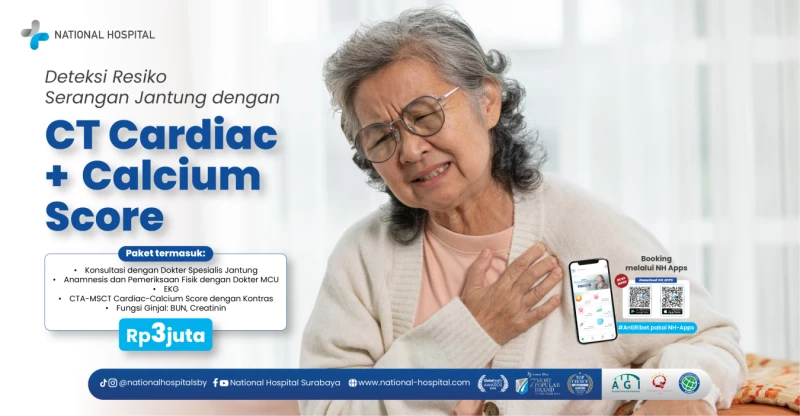
If you experience symptoms such as chest pain, shortness of breath, or have risk factors for heart disease, do not delay consulting a doctor. At National Hospital, patients can access comprehensive cardiac care services, including consultations with cardiologists, advanced diagnostic examinations, and personalized treatment and care based on each patient's condition.
With the support of an experienced medical team and comprehensive facilities, National Hospital is committed to providing the highest quality care to help you and your family maintain optimal heart health. Start taking care of your heart today, because a healthy heart is the key to living a more active and fulfilling life.






 info@national-hospital.com
 Suggestion
 Login
Login

.png)


.jpg)

.png)