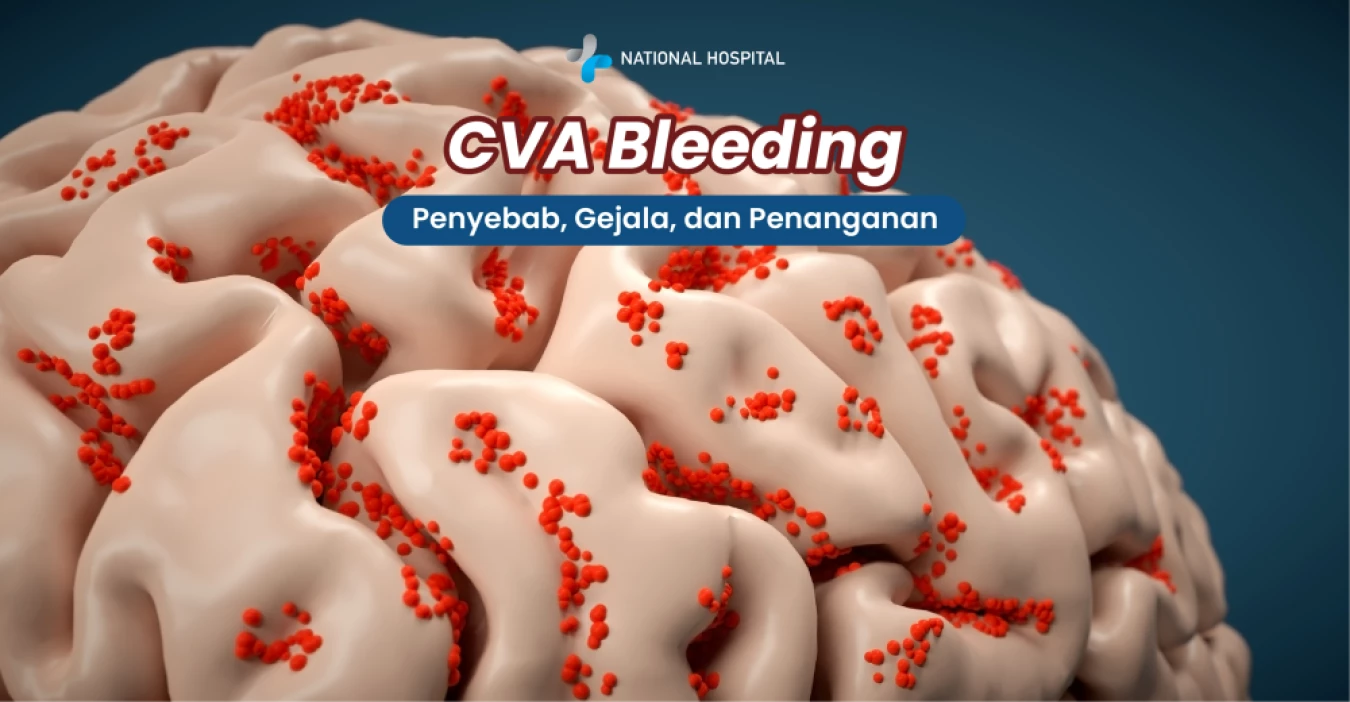
CVA bleeding is a highly dangerous medical emergency. CVA stands for Cerebrovascular Accident, commonly known as a stroke.
When the term bleeding is added, it refers to a hemorrhagic stroke, which occurs due to the rupture of a blood vessel in the brain. This condition causes bleeding and sudden disruption of nerve function, developing within seconds to hours.
Because of its severe impact—which can lead to serious disability or even death—CVA bleeding requires prompt and appropriate treatment. Approximately 70% of cases occur in people with high blood pressure, and the condition can affect coordination, balance, and the ability to move.
CVA bleeding is a medical term for bleeding in the brain. It occurs when a blood vessel within the brain ruptures. The leaked blood then accumulates, compresses surrounding brain tissue, and damages brain cells.
As a result, brain function is suddenly impaired, leading to the onset of stroke symptoms. CVA bleeding is one of the most fatal types of stroke and requires immediate emergency medical care.
Several major factors can cause a blood vessel in the brain to rupture and lead to CVA bleeding:
Chronic, uncontrolled high blood pressure can damage the walls of brain blood vessels over time, making them fragile and prone to rupture, thereby increasing the risk of brain hemorrhage.
A strong impact or trauma to the head can directly cause brain blood vessels to rupture, triggering bleeding and sudden neurological dysfunction.
Some individuals are born with or develop abnormalities in the brain’s blood vessels, such as aneurysms (bulging or dilation of vessel walls) or arteriovenous malformations (AVMs). These conditions act as “time bombs” that can rupture at any moment and cause sudden brain bleeding.
Anticoagulant medications are intended to prevent blood clots. However, if taken in excessive doses or without proper monitoring, they can interfere with normal blood clotting and increase the risk of bleeding, including in the brain.
Recognizing the symptoms of a hemorrhagic stroke is crucial so treatment can be provided as quickly as possible.
CVA bleeding often begins with a headache that appears suddenly and is far more intense than any typical headache previously experienced.
Patients may experience nausea and vomiting. In severe cases, confusion, disorientation, decreased consciousness, or even coma may occur.
A classic sign of stroke is sudden weakness or paralysis on one side of the body, affecting the face, arm, or leg.
Difficulty speaking (slurred speech), difficulty understanding others, and visual disturbances are also common symptoms of brain bleeding.
Blood pressing on and irritating the brain can trigger seizures or complete loss of consciousness.
As a medical emergency, CVA bleeding must be treated in a hospital as soon as possible.
The first step is stabilizing vital functions, including breathing and heart function, while closely monitoring neurological status.
Medical therapy includes controlling blood pressure to prevent further bleeding. Doctors may also administer medications to help stop the bleeding when possible.
In many cases, surgery is required to remove accumulated blood from the brain (hematoma evacuation) to reduce pressure on brain tissue.
If the bleeding is caused by an aneurysm, a neurosurgeon may perform clipping to close the ruptured vessel and prevent recurrent bleeding. We strongly recommend consulting a neurosurgeon promptly.
Once the patient’s condition is stable, rehabilitation is essential. This may include physiotherapy to restore motor function and speech therapy to address communication difficulties.
CVA bleeding is a condition that demands extremely rapid treatment. At National Hospital, we have a dedicated medical team and comprehensive facilities to manage hemorrhagic stroke emergencies. Do not delay seeking medical attention if you or someone close to you experiences the symptoms above.
Digital Subtraction Angiography (DSA) and Brain MRI play a crucial role in the early detection of brain blood vessel abnormalities that may lead to CVA bleeding.
A Brain MRI provides a comprehensive view of brain structures and can identify bleeding, aneurysms, or tissue abnormalities. Meanwhile, DSA offers highly detailed visualization of the vascular system, allowing detection of small aneurysms, AVMs, or vessel narrowing that may not be visible on other examinations.
By undergoing these screenings early, doctors can make a more accurate diagnosis, implement effective preventive measures, and significantly reduce the risk of dangerous brain hemorrhage. Routine screening is a vital step in maintaining brain health and preventing serious neurological conditions.
All DSA and Brain MRI services are fully available at National Hospital Surabaya, supported by advanced radiology and neurointerventional facilities to ensure safe, fast, and accurate brain evaluation.






 info@national-hospital.com
 Suggestion
 Login
Login