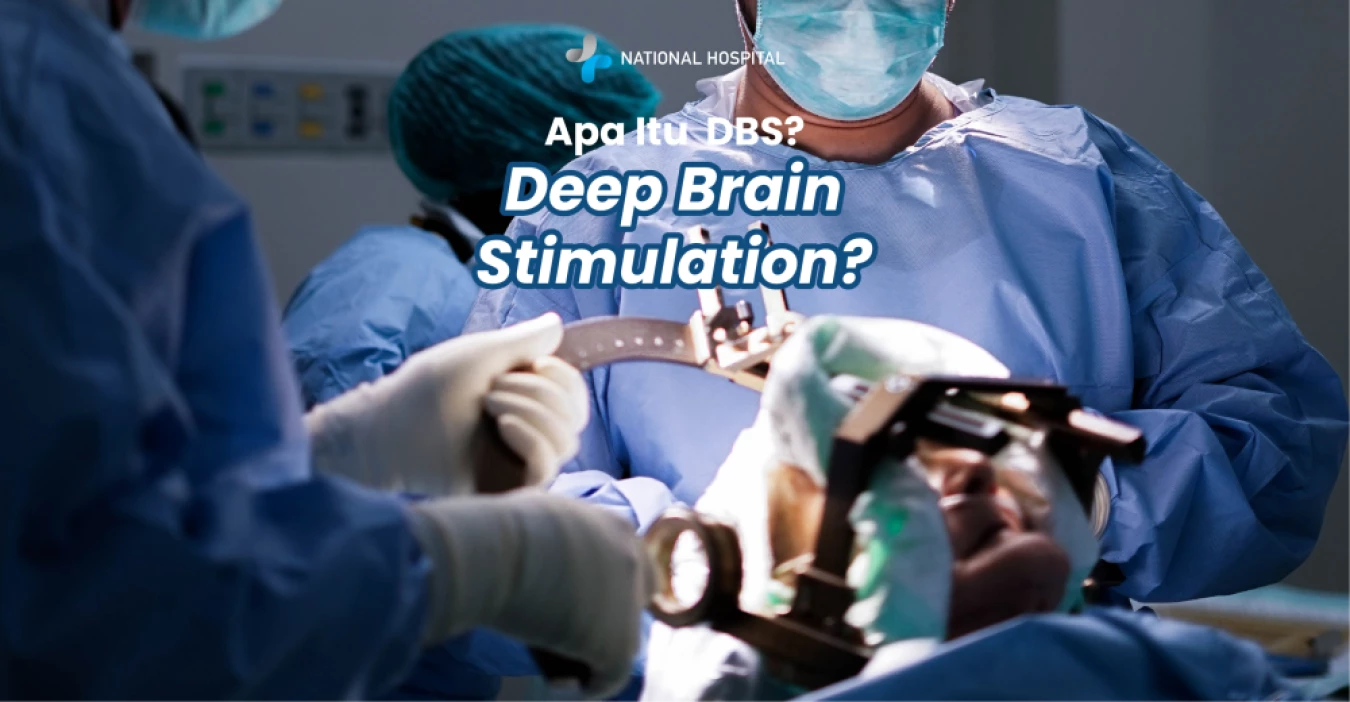
Deep Brain Stimulation Is a Modern Neuromodulation Procedure: Benefits and Risks
Deep brain stimulation is an advanced medical technology that has become a new source of hope for many patients suffering from chronic movement disorders. This procedure involves implanting a small device that works like a “pacemaker” for the brain.
The device delivers precisely programmed electrical signals to specific areas of the brain. This technique does not cure the disease, but it helps regulate abnormal electrical activity in the brain.
In other words, deep brain stimulation is a procedure designed to relieve symptoms that interfere with a patient’s quality of life. Better known by the abbreviation DBS, this procedure is currently one of the most effective and modern forms of neuromodulation therapy.
Deep Brain Stimulation (DBS) is a minimally invasive neurosurgical procedure. The core of this procedure involves implanting electrodes (thin wires) into targeted areas of the brain that are responsible for the patient’s symptoms.
These electrodes are then connected to a device called a neurostimulator, which is usually implanted under the skin in the chest, similar to a pacemaker.
The neurostimulator delivers mild, programmable electrical pulses to the brain. Its purpose is to block or normalize the abnormal electrical signals that cause symptoms such as tremors or uncontrolled movements.
A major advantage of deep brain stimulation is that it can be turned on or off and adjusted in frequency according to the patient’s needs—without requiring additional surgery.
DBS was initially developed to treat movement disorders, but it now also shows potential in managing several other neurological conditions.
If you are considering this therapy, it is highly recommended to consult a Comprehensive Neuromodulation Center for a thorough evaluation.
Many patients with Parkinson’s disease whose symptoms no longer respond optimally to medication can experience significant benefits from DBS. This procedure effectively reduces tremors, stiffness, and slowed movements (bradykinesia).
This common movement disorder causes rhythmic, uncontrollable tremors, especially during activities such as writing or eating. DBS is often the primary option when tremors are severe and do not respond to medication.
Characterized by sustained muscle contractions that cause painful and abnormal postures or movements. DBS has been proven effective in relieving muscle spasms in certain types of dystonia.
In severe cases of epilepsy that are difficult to control with medication, DBS can help reduce the frequency and severity of seizures by targeting specific brain areas responsible for seizure activity.
The primary benefit of deep brain stimulation therapy is the relief of the most disruptive symptoms, allowing patients to perform daily activities more independently and comfortably.
With symptom reduction, patients can often decrease their medication dosage and minimize side effects. Overall, this leads to improved comfort and greater freedom in daily life.
Neurologists can easily reprogram the neurostimulator externally. This means the therapy can be adjusted over time as the patient’s condition changes.
Unlike lesion-based surgical procedures that destroy brain tissue, DBS is reversible. If the device is turned off or removed, the stimulation effects will disappear.
Like all surgical procedures, DBS carries potential risks that must be carefully considered.
Possible risks include infection at the implantation site, minor bleeding in the brain, and the potential for stroke. However, these risks are generally low because DBS is a well-standardized procedure.
Some patients may experience temporary side effects such as tingling sensations, dizziness, or balance problems. These effects can often be managed by adjusting the DBS device settings. There is also a risk of device malfunction or hardware failure.
Deep brain stimulation has transformed the treatment landscape for neurological conditions. If you are looking for a leading healthcare center in this field, we recommend considering services at National Hospital, which offers specialized teams and the latest technology for DBS procedures.






 info@national-hospital.com
 Suggestion
 Login
Login