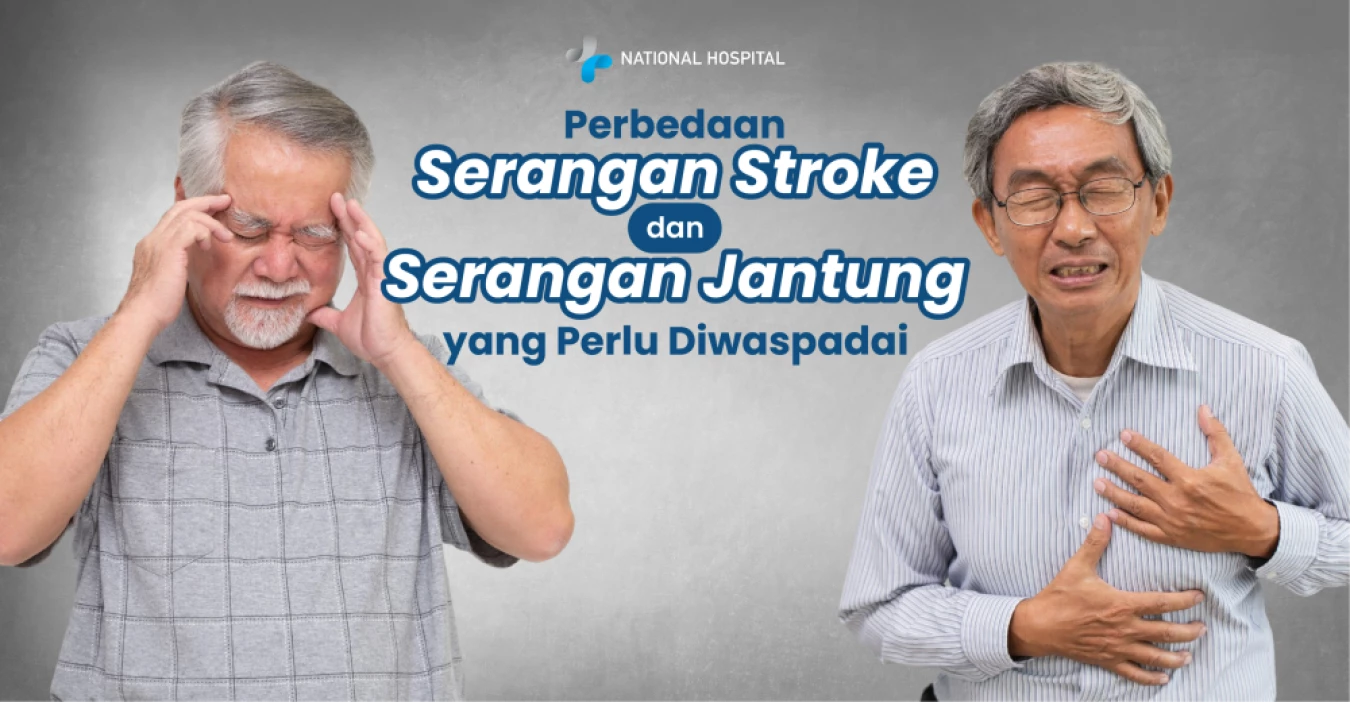
A heart attack and a stroke are two medical emergencies that can occur suddenly and become life-threatening. Because both conditions involve disruptions in blood flow, many people assume they are the same. However, stroke and heart attack differ in their causes, symptoms, and treatment approaches.
Understanding the differences between stroke and heart attack is essential so that warning signs can be recognized early and appropriate medical attention can be sought immediately. Prompt treatment can help reduce the risk of complications, permanent disability, and even death.
Although they are different conditions, both stroke and heart attack belong to the category of cardiovascular diseases, which are disorders involving the heart and blood vessels. Both occur due to impaired blood flow to vital organs, but the affected organs are different.
In a stroke, blood flow to the brain is interrupted, preventing brain cells from receiving adequate oxygen and nutrients. In contrast, a heart attack occurs when blood flow to the heart muscle is blocked or significantly reduced, causing damage to heart tissue.
Because the brain and heart are both vital organs, any interruption in blood supply to these organs requires immediate medical attention.
Blood vessels serve as transportation pathways that deliver blood, oxygen, and nutrients throughout the body. When a blood vessel becomes blocked or damaged, the organs that depend on that blood supply may lose their ability to function properly.
A stroke occurs when blood flow to part of the brain is disrupted or completely stopped. This may result from:
Without an adequate oxygen supply, brain cells can begin to die within minutes.
A heart attack occurs when blood flow to the heart muscle is blocked, usually due to:
Most heart attacks are caused by Coronary Artery Disease (CAD), a condition characterized by narrowing of the arteries that supply blood to the heart.
Heart attack symptoms are commonly characterized by discomfort in the chest. This discomfort is often described as pressure, squeezing, heaviness, burning, or tightness that lasts for several minutes or comes and goes. Common symptoms include:
In some individuals, particularly women, heart attack symptoms may be atypical and present as jaw pain, back pain, indigestion-like discomfort, or extreme fatigue, making them more difficult to recognize.
Unlike a heart attack, stroke symptoms depend on the area of the brain affected. Symptoms usually appear suddenly and may impact speech, movement, vision, or balance. Warning signs of stroke include:
Stroke is often referred to as a "brain attack" because brain tissue damage can occur very rapidly if treatment is delayed.
One of the easiest ways to identify stroke symptoms is by using the BEFAST method:
B (Balance) – Sudden loss of balance, dizziness, or difficulty walking
E (Eyes) – Sudden vision problems, such as blurred or double vision
F (Face) – One side of the face droops or appears uneven
A (Arms) – One arm or leg feels weak or is difficult to move
S (Speech) – Speech becomes slurred, difficult, or hard to understand
T (Time) – Time is critical. If any of these signs are present, seek medical attention immediately
The sooner a stroke patient receives treatment, the greater the chance of minimizing brain damage and improving recovery outcomes.
Although stroke and heart attack have different symptoms, they share many of the same risk factors, including:
Additionally, heart rhythm disorders such as atrial fibrillation can significantly increase the risk of stroke.
If you or someone around you experiences symptoms suggestive of a stroke or heart attack, do not wait for the symptoms to improve on their own. Seek emergency medical attention immediately or take the patient to a healthcare facility equipped to handle emergencies.
Avoid driving yourself if symptoms occur, as the condition may worsen suddenly. In both stroke and heart attack cases, every minute counts. Rapid treatment can help minimize organ damage, improve recovery chances, and reduce the risk of disability and death.
Stroke and heart attack are both life-threatening medical emergencies, but they have distinct causes and symptoms. A stroke occurs when blood flow to the brain is interrupted, while a heart attack results from reduced or blocked blood flow to the heart muscle.
Recognizing the warning signs of these conditions early is crucial for obtaining prompt and appropriate treatment. The faster a patient receives medical care, the greater the chance of reducing complications and improving long-term quality of life.
If you or a family member experiences symptoms suggestive of a stroke or heart attack, seek immediate medical attention. National Hospital provides 24-hour Emergency Room (ER), Smart Ambulance, and Stroke Center services, supported by experienced physicians and healthcare professionals to deliver rapid and comprehensive emergency care.






 info@national-hospital.com
 Suggestion
 Login
Login.png)