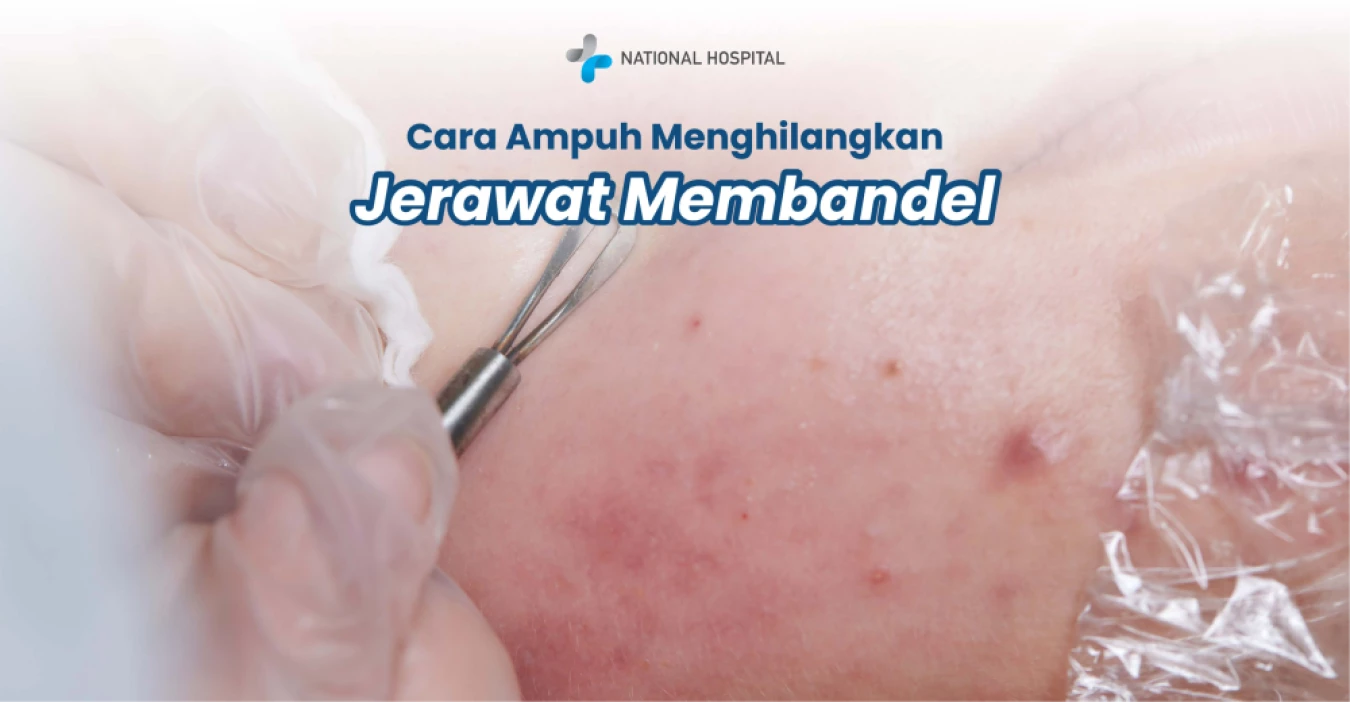
Persistent acne can often lead to a lack of confidence and discomfort. For some people, home remedies alone are not enough, requiring more effective medical interventions.
That’s why understanding powerful ways to get rid of stubborn acne is important—especially if the acne is inflamed, leaves scars, or keeps recurring. With the right medical treatments and supervision from a dermatologist, acne problems can be addressed thoroughly while also preventing complications.
Here are several medical treatment options that can help effectively treat stubborn acne.
These topical creams often contain active ingredients such as retinoids (vitamin A derivatives), topical antibiotics like erythromycin or clindamycin, and sometimes a combination with benzoyl peroxide.
Their functions include unclogging pores, reducing excess oil production, killing acne-causing bacteria, and reducing inflammation.
Retinoids are known to be effective for both preventing and treating various types of acne, but they must be used under a doctor’s guidance due to potential side effects like irritation or redness.
For more severe cases, such as nodular or cystic acne, doctors may prescribe oral medications. These include oral antibiotics (like doxycycline, clindamycin, or minocycline), birth control pills for women with hormone-related acne, or isotretinoin, which is highly effective for treating severe acne.
These medications require close monitoring due to possible side effects like digestive issues, hormonal changes, or skin irritation. Regular consultations with a doctor are essential to ensure safe and effective treatment.
Laser and blue light therapy are modern treatments used to address active acne and acne scars. CO₂ lasers and fractional lasers help improve skin texture and reduce scarring.
Meanwhile, blue light therapy targets Propionibacterium acnes, the bacteria that causes acne, and helps control oil production.
These minimally invasive procedures are performed by dermatologists or certified aesthetic clinics and provide rapid anti-inflammatory effects. For optimal results, multiple therapy sessions are usually required.
Top private hospitals in Indonesia, such as National Hospital, offer comprehensive skin care facilities including advanced laser and light-based therapies.
Chemical peeling is an exfoliation procedure using chemical solutions such as salicylic acid, glycolic acid, or trichloroacetic acid. The goal is to remove dead skin cells, unclog pores, and stimulate new skin regeneration.
Peeling treatments are categorized into superficial peels for the top layer of skin and medium-depth peels for deeper skin layers. In addition to treating acne, chemical peels can help brighten the skin and reduce acne scars.
However, this procedure should be performed by a doctor to avoid risks like irritation or infection.
Drainage or extraction involves removing the contents of cystic or large nodular acne using a sterile needle or specialized tool.
In some cases, doctors may inject steroids directly into the acne to quickly reduce inflammation. This procedure is only recommended when medications have not produced satisfactory results. Performed by medical professionals, this method minimizes the risk of scarring and infection.
Stubborn acne requires the right medical approach, from topical creams and oral medications to modern technologies like laser and chemical peeling.
Each of these powerful acne treatments has specific indications and usage guidelines that must be supervised by a dermatologist. If you need comprehensive acne treatment with complete facilities, National Hospital is an excellent choice.
With experienced medical staff and the latest technology, your skin recovery process can be safe, effective, and optimal, helping you regain your confidence.





 info@national-hospital.com
 Suggestion
 Login
Login