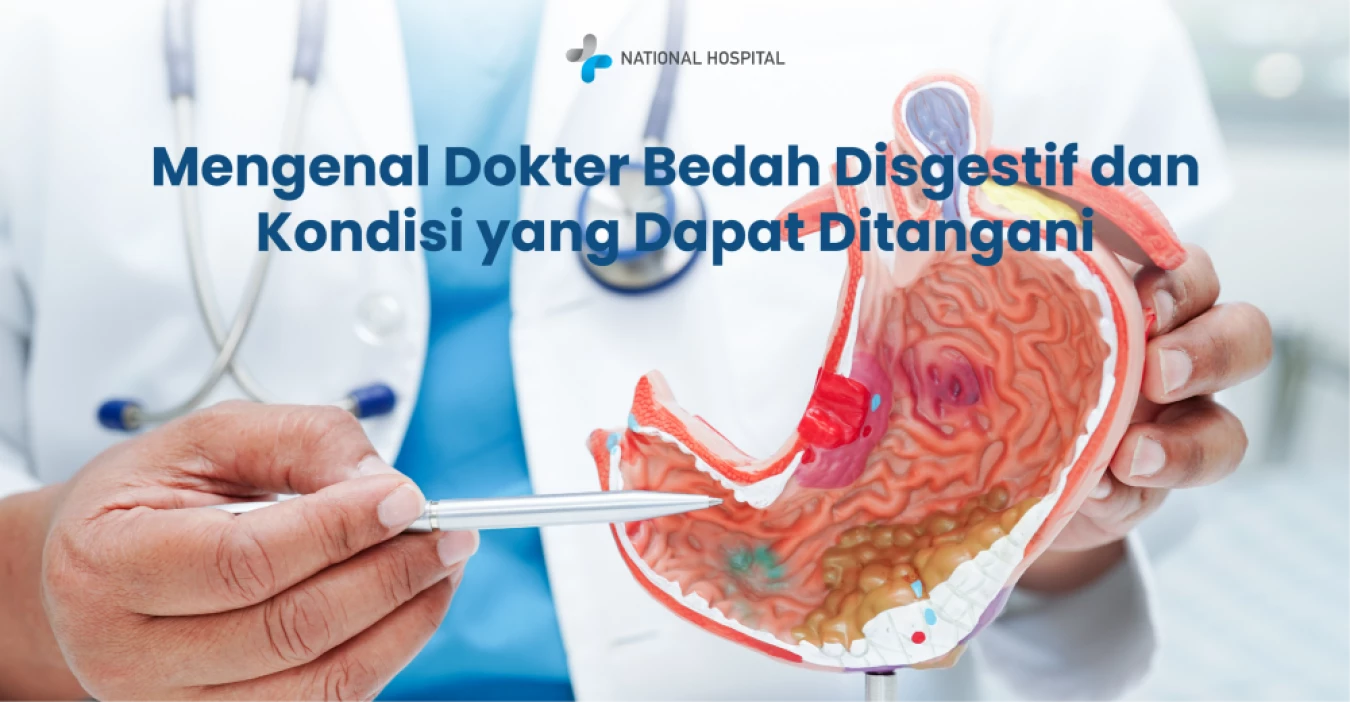
Digestive surgery is a surgical treatment that involves the digestive system, which includes the esophagus, stomach, small and large intestines, rectum, and anus. Treating a variety of digestive system illnesses, including tumors, inflammation, ulcers, and other diseases, is the aim of digestive surgery.
There are several types of intestinal procedures, including:
A surgeon can do digestive surgery with less discomfort, less recovery time, and smaller scars compared with traditional open surgery by employing minimally invasive procedures like robotic surgery or laparoscopy.
Nevertheless, not all digestive procedures may be carried out with minimally invasive methods; the type of surgery chosen will rely on the particular ailment being treated as well as the demands of the patient.
An appendicitis patient is among the digestive disorders that a digestive surgeon can manage. Where the appendix gets infected and inflamed. In this case, surgery can be used to remove the appendix.
Surgery is used to remove malignant tumours from the digestive tract in this situation. Furthermore, surgeons are able to remove cancerous tumours as well as afflicted liver or pancreatic sections.
One disorder associated with digestive issues affecting the large intestine is diverticular disease. There are occasions when this condition becomes painfully inflamed.
Surgery is not necessary in most situations, but if the patient has a verticle that becomes irritated regularly, the doctor could advise bowel resection to remove the affected part of colon.
Gallbladder issues can also be treated by digestive surgery. It is possible to remove the gallbladder if there is an issue with it, most often gallstones. Another name for gallbladder removal surgery is cholecystectomy.
Acid reflux disease, also known as gastro-oesophageal reflux disease (GERD), is a disorder that results in heartburn caused by stomach acid rising back up into the oesophagus. Hiatal hernias can occasionally induce this. This happens when the diaphragm, the muscle that divides the chest from the belly, is compressed by the stomach.
This issue can be treated with surgery performed by a digestive surgery. A fundoplication will be the procedure carried out. In this procedure, the physician will treat any present hernia before strengthening the sphincter, which keeps acid from entering, by bandaging the upper portion of the stomach around the lower portion of the oesophagus.
This problem happens when a bodily component (the intestine) passes through a hole or weak area in the muscle or connective tissue wall that is designed to protect it (the abdomen).
A hernia does not pierce the skin, but it can cause pain by causing a protrusion beneath the skin. A digestive surgery can fix this issue by closing the hole or weak region.
Inflammatory bowel disease occurs when the immune system assaults the intestines, resulting in discomfort and inflammation. This disorder can cause harm to the intestines.
A digestive surgery is also capable of handling this. Sometimes the injured component is removed and the healthy one reattached. This type of operation is known as a bowel resection.
Getting to know a digestive surgery better is essential to understanding the various conditions that can be treated, such as hernias, bowel diseases, and other digestive disorders.
Gastrointestinal surgeons have special expertise in dealing with these complex problems, ensuring that you receive the right care.
If you or someone close to you needs treatment for digestive problems, consult a doctor at National Hospital immediately. We are ready to assist you with the best and most professional medical services. Contact us now to schedule a consultation.






 info@national-hospital.com
 Suggestion
 Login
Login