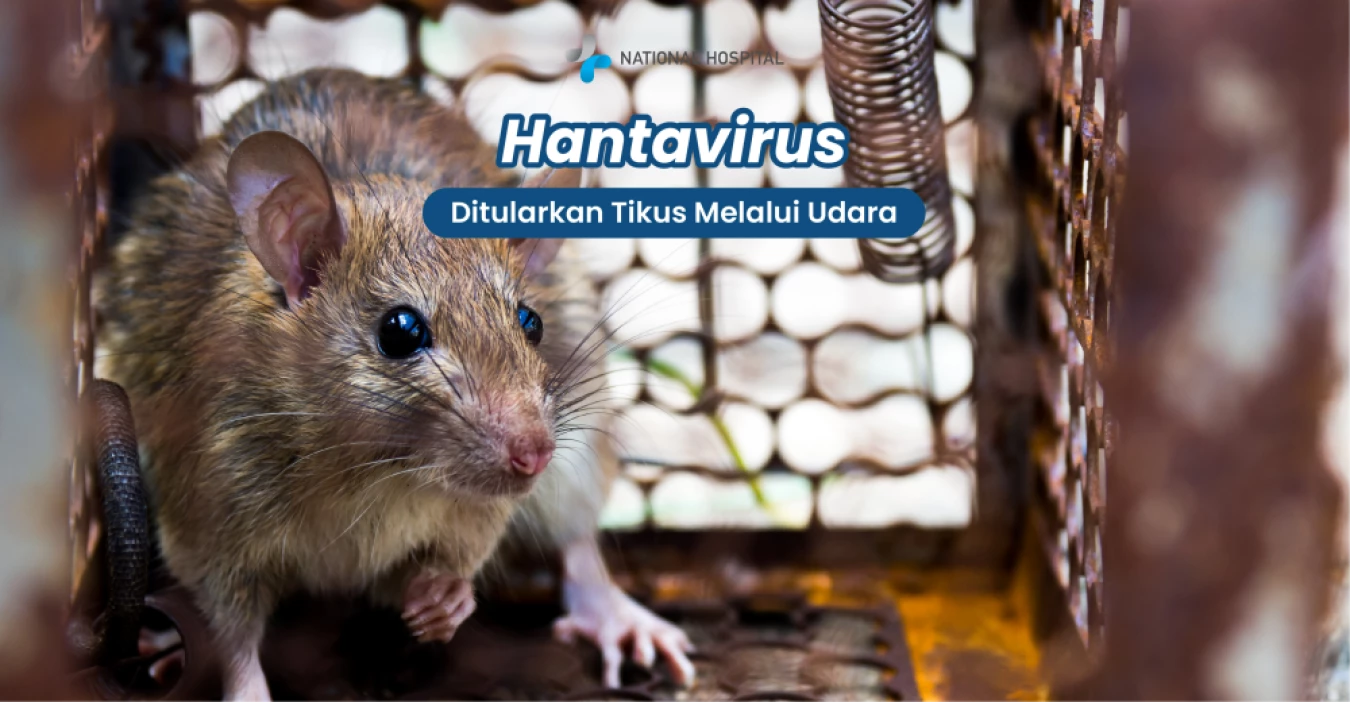
Recently, Hantavirus has once again attracted attention following reports of infection cases that have led to severe illness and even death. Although considered a rare disease, Hantavirus can cause serious complications, making it important to understand its transmission, symptoms, and preventive measures.
Hantavirus is a group of viruses naturally carried by various rodents, such as rats and mice. It is classified as a zoonotic disease, meaning it can be transmitted from animals to humans.
The name Hantavirus originates from the Hantaan River in South Korea, where the virus was first identified in the 1970s. Today, various types of Hantavirus have been found across Asia, Europe, the Americas, and other regions.
In humans, Hantavirus infection can cause two major syndromes:
This disease primarily affects the lungs and cardiovascular system. It is most commonly found in the Americas and can rapidly progress to severe respiratory distress.
This condition is more frequently reported in Asia and Europe and is characterized by fever, blood vessel abnormalities, and impaired kidney function.
HCPS is considered the most severe form of Hantavirus disease, with reported mortality rates ranging from 30% to 50% for certain virus strains. Therefore, early diagnosis and treatment are critical to improving survival outcomes.
Unlike COVID-19, most types of Hantavirus are not transmitted from person to person. Transmission typically occurs through exposure to infected rodents or environments contaminated with their urine, feces, or saliva.
However, research has shown that the Andes virus, a type of Hantavirus found in South America, can be transmitted between humans under certain circumstances. Even so, such transmission is rare and generally requires prolonged, close contact with an infected individual. To date, the risk of community-wide transmission remains low.
People are most commonly infected by inhaling virus particles from dried rodent urine, feces, or saliva that become airborne (aerosolized).
The risk of exposure may increase when cleaning storage sheds, attics, warehouses, or buildings that have been unused for extended periods and may harbor rodents.
Infection can also occur through:
The incubation period for Hantavirus generally ranges from 1 to 8 weeks after exposure. Early symptoms commonly include:
In some patients, symptoms may progress to more severe conditions, including:
Without prompt treatment, these complications can become life-threatening.
Diagnosing Hantavirus can be challenging because its symptoms resemble those of several other illnesses, including influenza, COVID-19, pneumonia, leptospirosis, dengue fever, and sepsis.
Currently, there is no specific antiviral therapy proven effective against all types of Hantavirus infection. Additionally, there is no widely used global vaccine that provides protection against all Hantavirus strains in humans.
As a result, treatment focuses on supportive care, including:
Early detection and treatment can help reduce the risk of complications and improve recovery outcomes.
Prevention focuses on rodent control and minimizing exposure to contaminated environments.
Recommended preventive measures include:
Seek medical care immediately if you develop fever, muscle aches, or respiratory symptoms after exposure to an environment that may be contaminated by rodents.
National Hospital provides integrated healthcare services supported by professional medical personnel and a 24-hour emergency department ready to assist patients at all times. Timely medical consultation and evaluation can help detect infectious diseases early, allowing prompt treatment to be provided when needed.






 info@national-hospital.com
 Suggestion
 Login
Login