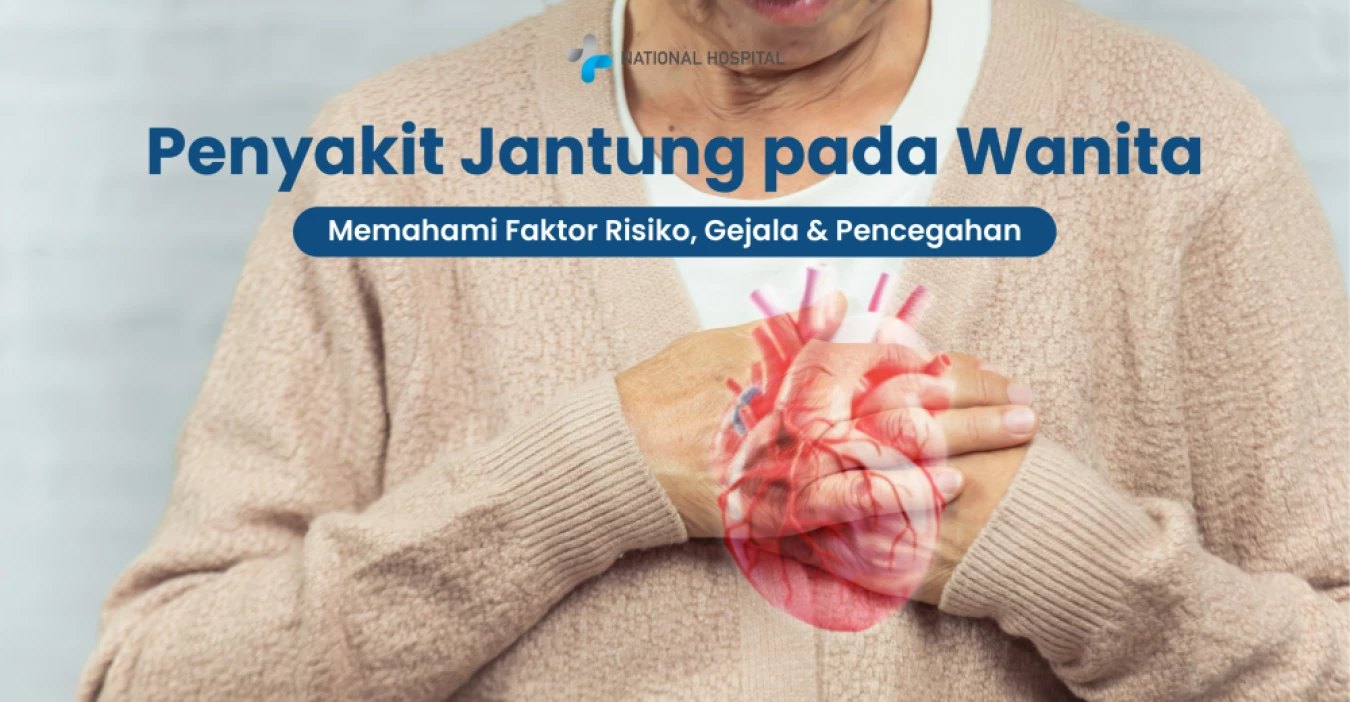
Some people may believe that men are more vulnerable to heart disease. However, heart disease remains the leading cause of death in the U.S. for both men and women. Some symptoms of heart disease can present in a less typical pattern in women, making many women unsure of what to watch for.
Similar to men, the most common sign of a heart attack in women is chest pain, a feeling of pressure as if a heavy object is on the chest, or discomfort that lasts for a long time or comes and goes.
However, particularly in women, these symptoms are often not the most prominent or even the most severe. Women tend to experience atypical symptoms when having a heart attack. Additionally, chest discomfort in women does not always indicate a heart attack.
Here are heart attack symptoms unrelated to chest pain that may occur more frequently in women than in men. These symptoms include:
Women may also experience vague heart attack symptoms due to heart disease affecting small blood vessels or microvascular coronary disease. In this condition, symptoms more often occur while the patient is resting or sleeping, and emotional stress can trigger symptoms. Women, particularly those before menopause, may be less frequently diagnosed with heart disease and are more likely to have non-obstructive coronary artery disease.
Both men and women are equally susceptible to several classic risk factors for coronary heart disease, including obesity, high blood pressure, and high cholesterol. However, other factors can influence the development of coronary heart disease in women beyond those mentioned above.
Risk factors for heart disease in women include:
Treatment for heart disease is generally the same for men and women. Medications, angioplasty and stenting, or coronary bypass surgery are some of the treatment options available.
Although the treatment of heart disease in men and women is generally similar, there can be some differences in managing heart disease between the sexes:
Given the facts and data above, early detection, particularly in women, is crucial to prevent serious complications from heart disease symptoms. If you experience any of the symptoms mentioned above, do not ignore them—consult your cardiologist immediately.
National Hospital provides leading medical services with a team of experienced specialists. Protect your heart health—contact us now for further consultation.






 info@national-hospital.com
 Suggestion
 Login
Login