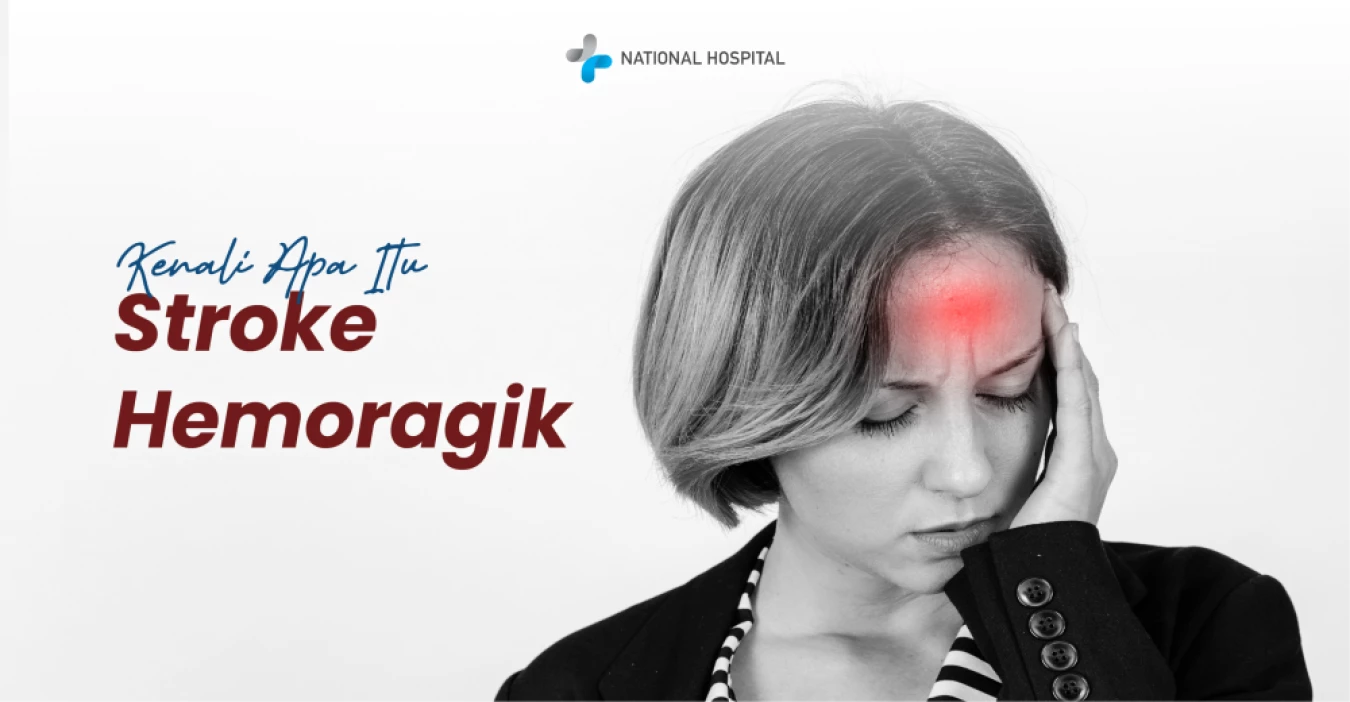
Stroke is a serious medical condition that occurs when the blood supply to part of the brain is disrupted. There are two main types of stroke: ischemic stroke, which is caused by a blockage in the brain’s blood vessels, and hemorrhagic stroke, which occurs when a blood vessel in the brain bursts. Although less common than ischemic stroke, hemorrhagic stroke is often more fatal and carries a higher risk of long-term disability.
A hemorrhagic stroke happens when a blood vessel inside or on the surface of the brain ruptures, causing blood to leak into the surrounding brain tissue. The leaked blood puts pressure on brain cells and tissues, damaging and killing them. This pressure and damage can lead to severe and life-threatening neurological symptoms.
Several risk factors and causes can trigger a hemorrhagic stroke:
The most common cause of intracerebral hemorrhage. Persistent high blood pressure can weaken blood vessel walls over time, leading to rupture.
A bulge or ballooning in a blood vessel wall in the brain. If an aneurysm bursts, it can lead to severe subarachnoid bleeding.
A congenital disorder in which arteries and veins are abnormally connected, bypassing capillaries. AVMs are fragile and prone to rupture.
Blood thinners can increase bleeding risk if not carefully monitored.
A severe head injury can cause brain bleeding.
Serious liver conditions can impair blood clotting, increasing bleeding risk.
A buildup of amyloid protein in the walls of brain blood vessels, making them fragile and likely to burst. This occurs more frequently in older adults.
Symptoms of a hemorrhagic stroke often appear suddenly and may worsen quickly. Common symptoms include:
Often described as "the worst headache of one’s life," especially in subarachnoid hemorrhage.
Affecting the face, arm, or leg.
Slurred speech or trouble finding the right words.
Blurred or double vision, or vision loss in one eye.
Often accompanies the headache.
Difficulty walking or severe dizziness.
Ranging from drowsiness to coma.
Can occur due to brain irritation from the bleeding.
A primary imaging tool to quickly detect bleeding in the brain.
Provides a more detailed view of brain tissue and blood vessels.
Uses dye and X-rays to visualize brain blood vessels and detect aneurysms or AVMs.
Treatment focuses on stopping the bleeding, relieving pressure on the brain, and preventing complications. It may include:
Controlling blood pressure is crucial to prevent further bleeding.
To reduce brain swelling, manage seizures, or reverse blood thinners.
In some cases, surgery may be needed to remove accumulated blood, repair ruptured vessels (e.g., aneurysm clipping), or remove an AVM.
Once stabilized, patients often need intensive rehabilitation (physical therapy, occupational therapy, speech therapy) to regain lost function.
While not all cases can be prevented, many hemorrhagic strokes are avoidable by managing risk factors:
Regularly check and manage your blood pressure with lifestyle changes and medications as needed.
Smoking damages blood vessels and increases stroke risk.
Keep blood sugar levels under control.
Excessive drinking can raise blood pressure.
Especially cocaine and methamphetamines, which can cause brain hemorrhages.
If you have a family history or symptoms suggesting these conditions, screening may be recommended.
Hemorrhagic stroke is a medical emergency that requires a rapid response. Recognizing the symptoms and seeking immediate medical help can significantly improve recovery chances and reduce the risk of long-term disability. Don’t delay — if you or someone nearby shows signs of a stroke, call emergency services or go to the nearest hospital immediately. Every minute counts in saving brain function and life.






 info@national-hospital.com
 Suggestion
 Login
Login