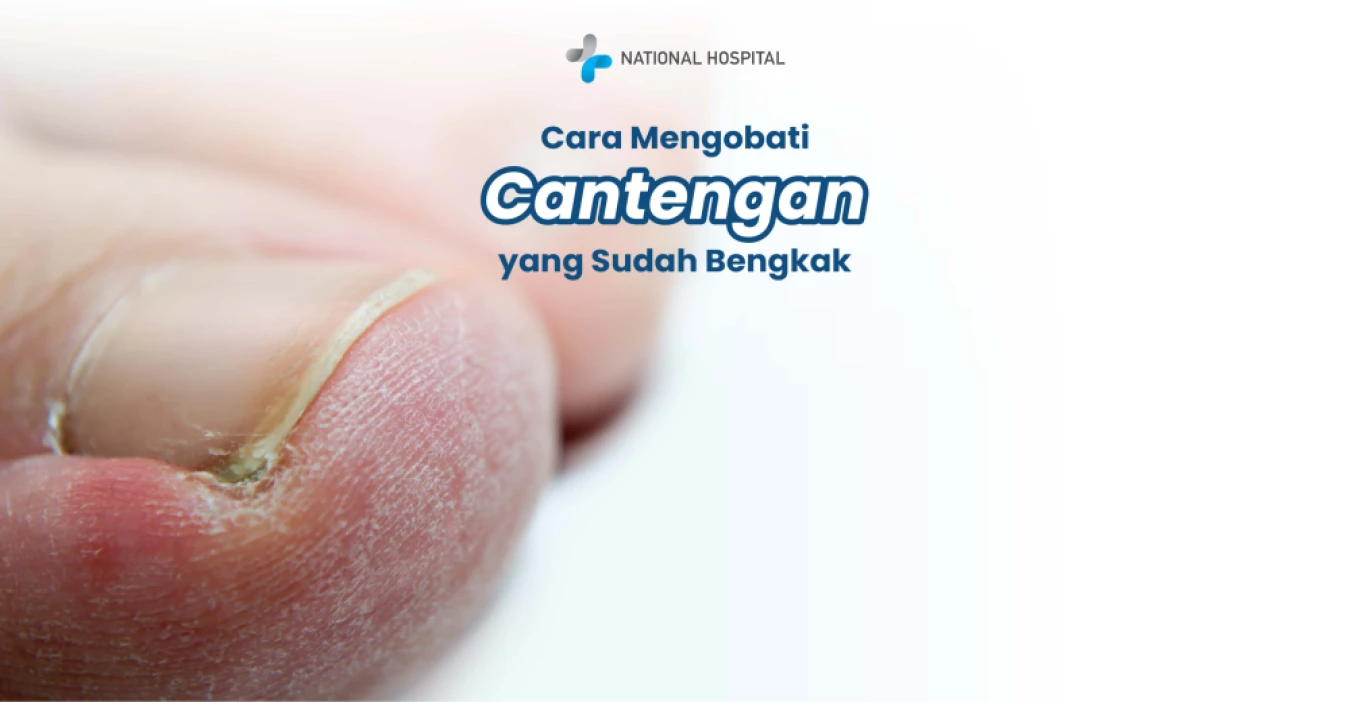
Ingrown Toenail That’s Already Swollen: Causes and Proper Medical Treatment
A swollen ingrown toenail is usually caused by a nail that grows inward and triggers an infection in the surrounding tissue. This condition often causes pain, redness, and even pus discharge.
If not treated properly, the infection can spread and lead to serious complications. Therefore, it’s important to know the correct way to treat a swollen ingrown toenail.
Medical treatment is an effective option, especially when the pain becomes more severe or the swelling doesn't subside.
The first step is a thorough examination by a medical specialist, usually a surgeon or dermatologist. This examination assesses the severity of the infection, the swollen area, and whether pus is already present. An accurate diagnosis helps determine the right treatment method and prevents further complications.
If pus has formed, the doctor will perform a drainage procedure. This involves making a small incision near the nail to release the accumulated pus.
Draining the pus helps relieve pressure on the tissue and ease the pain. After drainage, the wound is cleaned with antiseptic to prevent reinfection. This cleaning process is typically done regularly until the wound is fully dry.
To fight the bacterial infection, the doctor may prescribe antibiotics, either in topical or oral form. The type of antibiotic will be tailored to the severity of the infection and the patient’s overall health. It is important to take the medication according to the prescribed dosage and doctor’s advice to fully cure the infection and prevent recurrence.
In more severe cases or if ingrown toenails are recurrent, the doctor may recommend minor surgery. This procedure usually involves removing part of the nail that is growing inward and pressing against the tissue.
The surgery is done under local anesthesia, so the patient doesn’t feel pain during the operation. The main goal is to eliminate the source of the infection and prevent future recurrence.
After medical treatment, patients are advised to keep the wound clean and change bandages regularly. Monitoring the wound’s condition is also important to ensure there are no signs of reinfection. Preventive education usually includes proper nail-cutting techniques, avoiding tight shoes, and maintaining good foot hygiene. These preventive steps are very helpful in avoiding recurrence.
Treating a swollen ingrown toenail involves a series of medical procedures, from initial examination, wound cleaning and pus drainage, administration of antibiotics, to minor surgery if needed. Each step is aimed at treating the infection, relieving pain, and preventing recurrence.
For those looking for high-standard healthcare facilities, National Hospital in Indonesia is a great choice. This well-known hospital is recognized for its modern facilities, experienced medical specialists, and intensive post-treatment care.
With a holistic approach and the latest medical technology, National Hospital provides comprehensive care for ingrown toenails—from diagnosis and treatment to optimal recovery.
Getting treatment at the right healthcare facility ensures that treating a swollen ingrown toenail can be done effectively, safely, and with minimal risk of complications. Don’t delay treatment, because the sooner it’s handled, the higher the chances of a full recovery and returning to your activities pain-free.






 info@national-hospital.com
 Suggestion
 Login
Login