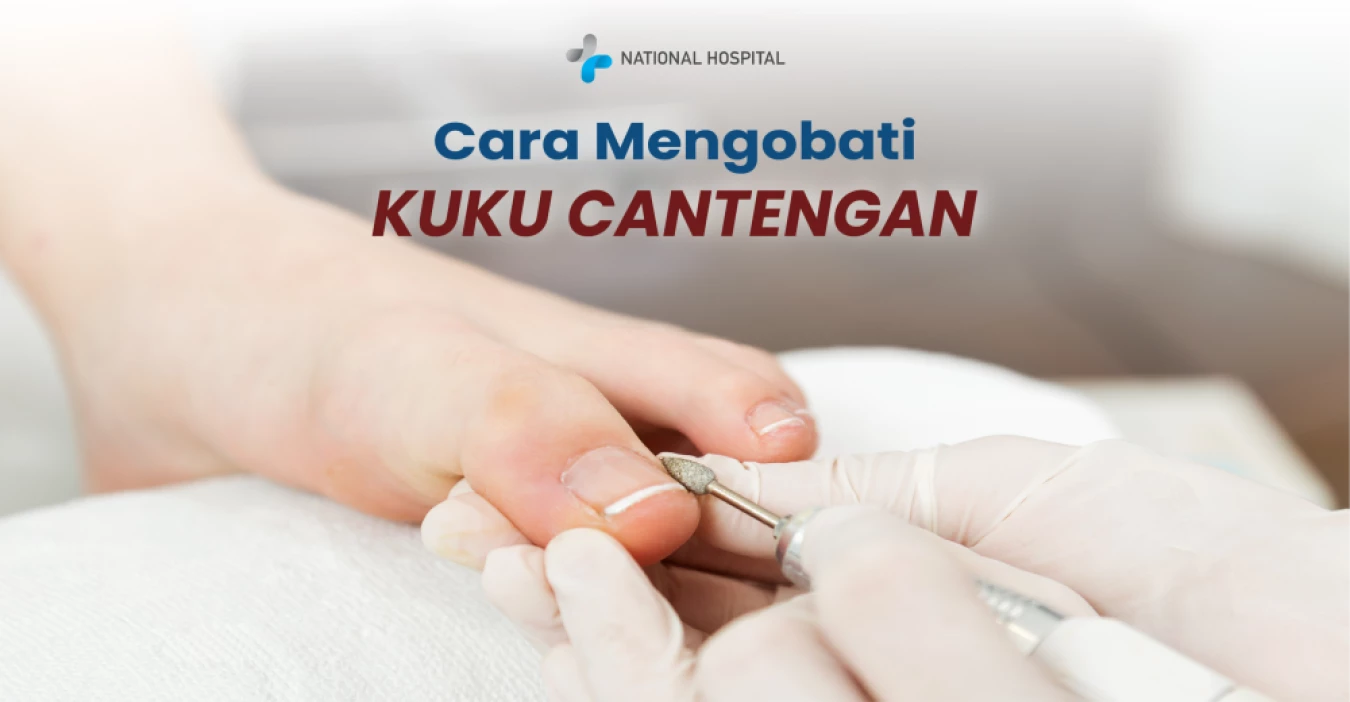
Ingrown Toenail (Cantengan) is a condition where the nail—most commonly the big toenail—grows into the surrounding skin. This causes pain, swelling, redness, and sometimes a pus-filled infection. In medical terms, this is called unguis incarnatus or ingrown toenail. An ingrown toenail doesn't just make your foot feel uncomfortable—it can also cause pain that interferes with daily activities, especially when pressure is applied to the foot, such as when sitting or standing.
Mild cases of ingrown toenails can be treated at home. Here's how:
You can also take pain relievers like paracetamol or ibuprofen. Antibiotics may help reduce pain and swelling from an ingrown toenail, but they should only be taken if there's a sign of infection, such as pus. It's best to consult a doctor before taking antibiotics for an ingrown toenail.
If the condition becomes severe or keeps recurring, see a surgeon or dermatologist. A minor surgical procedure to remove part of the nail can be done to treat the issue and prevent recurrence. If there's pus or severe pain, it’s recommended to visit a doctor promptly to get proper treatment.
Mix 1 tablespoon of salt (regular table salt is fine) into a bowl of warm water. Soak your foot for 15–20 minutes, 2–3 times a day. This helps reduce swelling and prevents infection.
Natural ingredients can help reduce inflammation. Tea tree oil has antibacterial and antifungal properties—apply a small amount to the affected area twice a day.
You can also use fresh aloe vera gel to soothe pain and inflammation. Pure honey (especially Manuka honey) has antibacterial effects and can be applied in a thin layer.
First, clean your hands and feet. Then, gently use a small piece of cotton or dental floss to lift the corner of the nail that’s digging into the skin. Don’t force it—just enough to allow the nail to grow properly.
Garlic has natural antibacterial properties. Crush a clove of garlic, apply a thin layer to the affected area, and wrap with a clean cloth. Leave it on for 30 minutes to 1 hour once a day, then clean the area.
Avoid excessive pressure on the toes. Wear loose-fitting shoes or sandals during recovery.
Also, avoid cutting nails too short or rounding them inward when trimming.
If there's no improvement within 3–5 days, or if severe pus, intense pain, or fever occurs, you should see a doctor immediately. Leaving the condition untreated can lead to worsening pain and interfere with daily activities. Don’t worry if the doctor recommends a nail removal or minor surgical procedure—it is usually done under local anesthesia, so it won’t hurt, and recovery is typically quick. Afterward, you just wait for the new nail to grow back.






 info@national-hospital.com
 Suggestion
 Login
Login