Brain nerve diseases are serious conditions that affect many aspects of a person's life. Disorders of the brain nerves can be caused by various factors such as injury, infection, stroke, or degenerative diseases like Alzheimer's and Parkinson's.
To understand how to treat brain nerve diseases, it's important to recognize the symptoms, causes, and available treatment methods. This article will outline various approaches to managing brain nerve diseases and provide guidance on obtaining the best medical consultation.
Symptoms of brain nerve diseases vary depending on the type and location of the disorder. Some common symptoms include:
Treating brain nerve diseases requires a comprehensive approach often involving a multidisciplinary medical team. Here are some commonly used treatment methods:
Medical treatment includes the use of medications aimed at relieving symptoms and preventing disease progression. Commonly prescribed medications include:
Physical Therapy
Physical therapy is crucial for restoring muscle and nerve function. Physical therapists assist patients with specific exercises designed to:
Occupational Therapy
Occupational therapy helps patients regain the ability to perform daily activities. Occupational therapists work with patients to:
Speech Therapy
For patients experiencing difficulty with speech or swallowing, speech therapy is highly beneficial. Speech therapists help:
Neurosurgical Operations
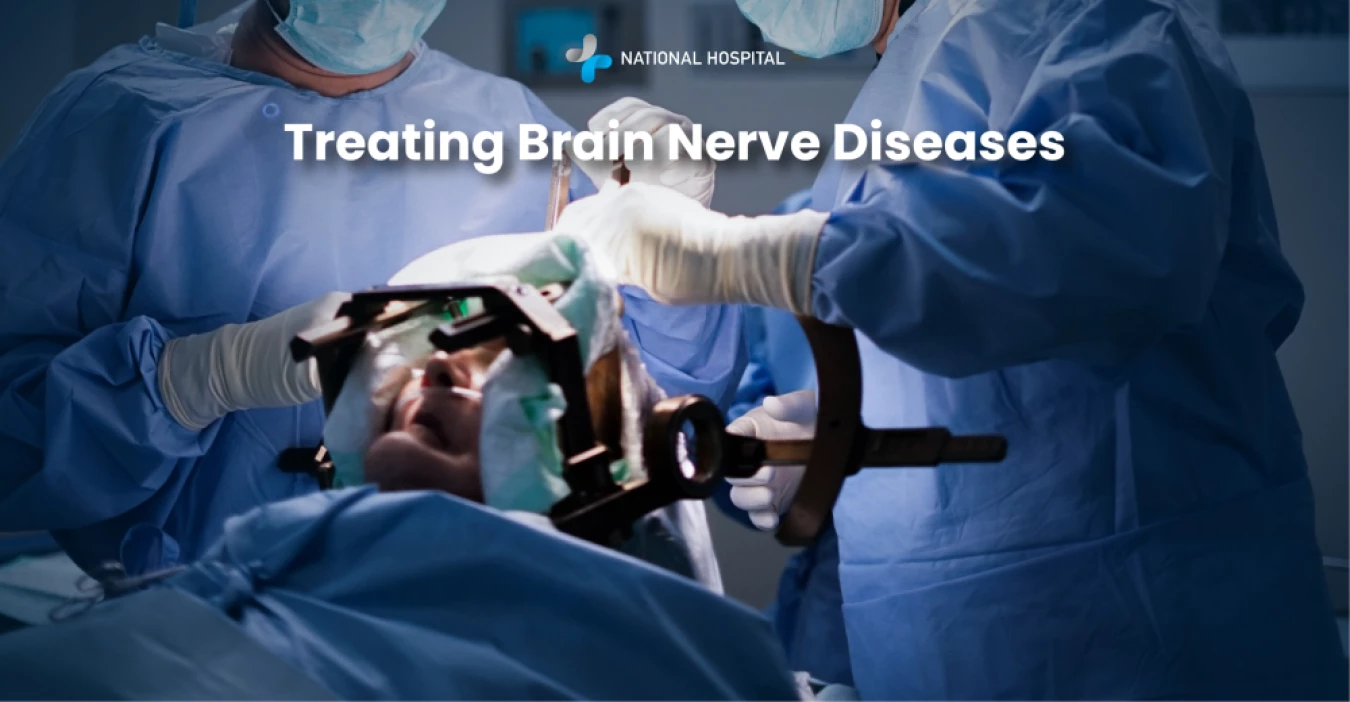
In some cases, surgery may be necessary to address underlying issues such as brain tumors or aneurysms. Neurosurgery is performed by experienced neurosurgeons with the goals of:
Brain nerve diseases require serious and integrated management. From medical treatments to physical therapy and neurosurgery, each treatment step is designed to restore optimal patient function.
With the support of experienced specialists at National Hospital, you have the best chance of receiving the care you need. Contact National Hospital to schedule a consultation with the best neurosurgeon and begin your journey towards optimal recovery.






 info@national-hospital.com
 Suggestion
 Login
Login