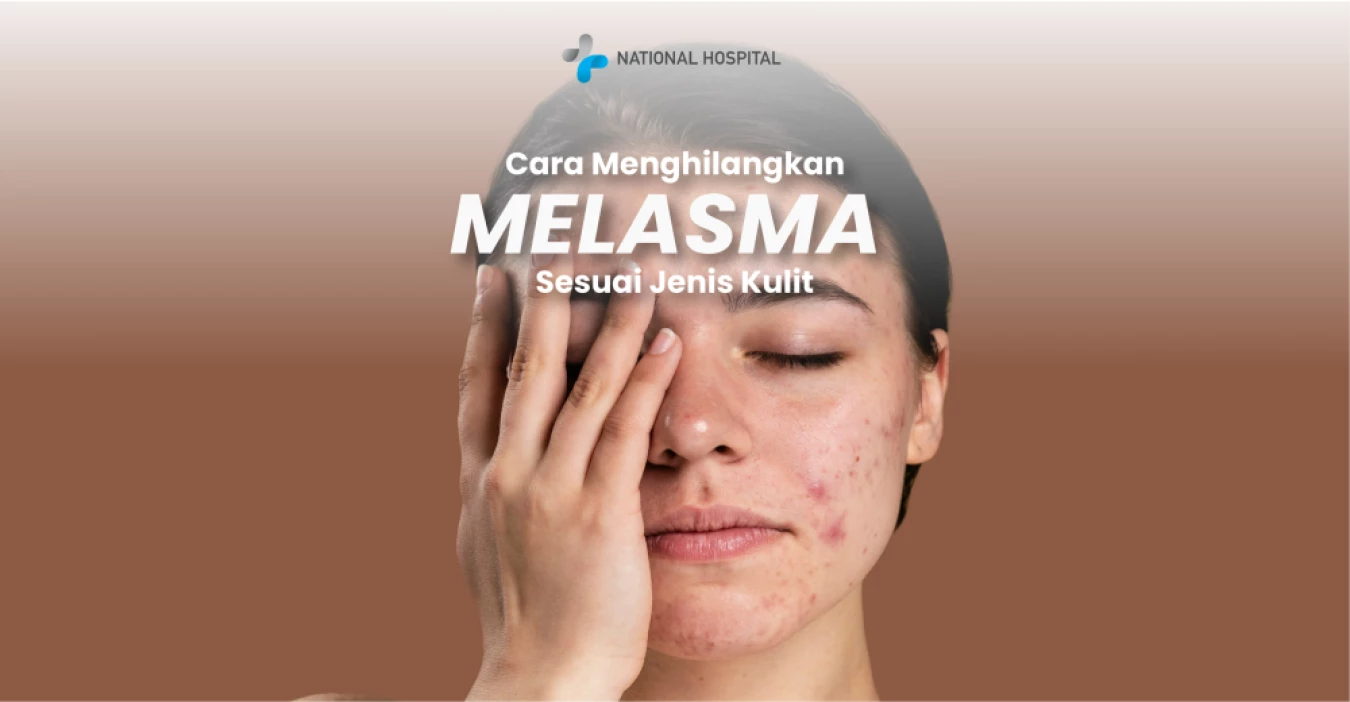
Melasma is a skin condition characterized by the appearance of brown or grayish patches on the face, especially on the cheeks, forehead, nose, and upper lip. It occurs due to increased melanin production (the pigment responsible for skin color) and is often triggered by hormonal factors, sun exposure, and the use of certain skincare products.
The main causes of melasma include UV exposure, hormonal changes (such as during pregnancy or while using birth control pills), genetics, and the use of certain cosmetics or medications. Medically, melasma is not dangerous—it is not contagious, does not develop into cancer, and is generally a cosmetic issue. However, many people still seek to remove melasma because it can make the skin appear uneven, which may affect one’s appearance and self-confidence.
Use a high-SPF sunscreen daily. Avoid direct sunlight, especially between 10 AM and 4 PM.
There are several types of topical creams:
Various clinical treatments can help reduce melasma, such as:
Oral Medication (must be under a doctor’s supervision)
Consistent and intensive treatment may help remove melasma. Treatment should be tailored to skin type, as sensitivity and product response can vary.
Characteristics: Prone to flaking, feels tight and dull.
Treatment Tips:
Characteristics: Shiny appearance, large pores, acne-prone.
Treatment Tips:
Characteristics: Easily irritated, prone to redness and stinging when using certain products.
Treatment Tips:
Characteristics: Dry in some areas, oily in the T-zone.
Treatment Tips:
Regardless of your skin type, choose sunscreen with at least SPF 30—SPF 50 is even better. Treating melasma usually takes weeks to months, so patience and consistency are crucial. Consulting a dermatologist or cosmetic surgeon is highly recommended to determine the safest and most effective treatment combination for removing melasma.






 info@national-hospital.com
 Suggestion
 Login
Login