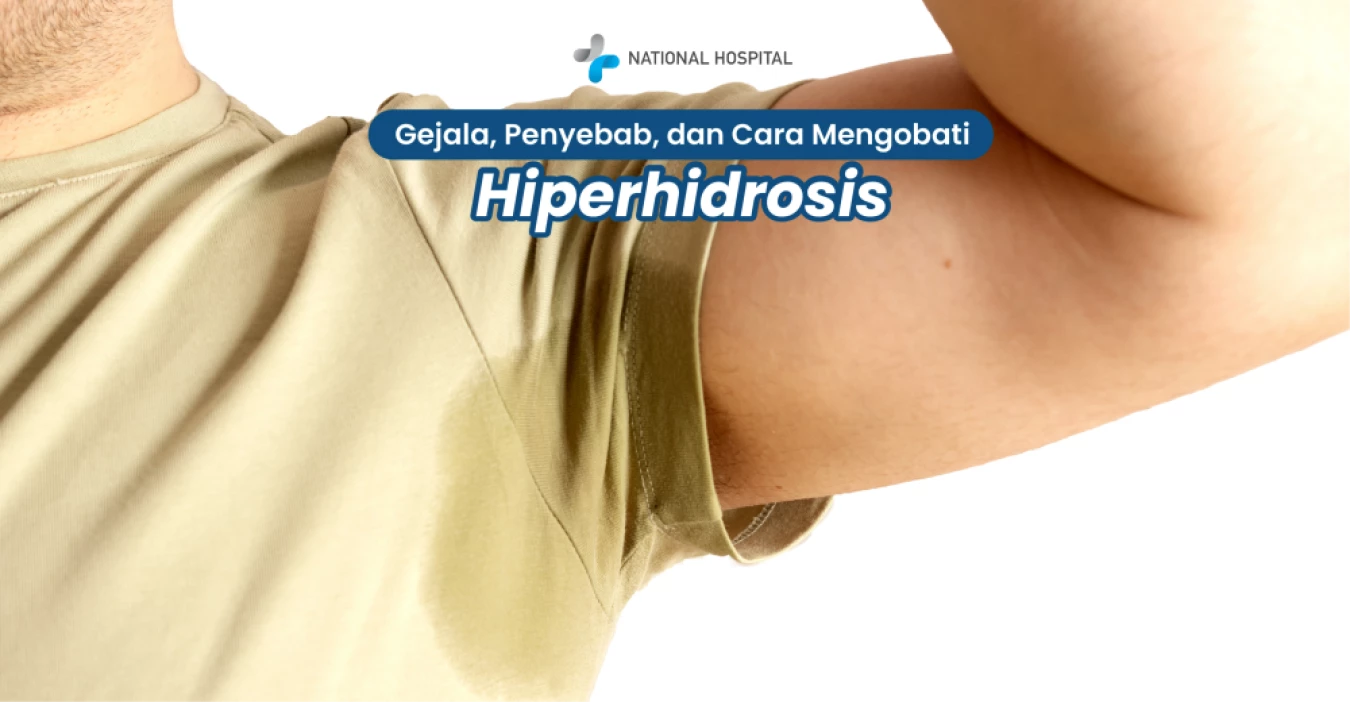
When your body produces excessive sweat—even when you are not exercising or in a hot environment—you may be experiencing a condition called hyperhidrosis.
Hyperhidrosis is a medical condition characterized by excessive sweating that is not always related to physical activity or ambient temperature. This condition can cause clothing to become wet quickly and significantly interfere with daily activities.
Many people with hyperhidrosis feel embarrassed and anxious because of excessive sweating. We understand that this condition can reduce quality of life; however, it is important to know that excessive sweating can be treated.
Hyperhidrosis is a condition in which the sweat glands are overactive, producing far more sweat than the body needs to regulate its temperature. Excessive sweating may occur in specific areas (localized) or throughout the entire body (generalized).
This condition is divided into two types:
Primary Hyperhidrosis:
Excessive sweating occurs without any underlying medical condition. It is often chronic and usually begins in childhood or adolescence.
Secondary Hyperhidrosis:
Excessive sweating is caused by another medical condition or as a side effect of medications.
The main symptom of hyperhidrosis is excessive sweating, even when you are at rest or in cool weather.
Hyperhidrosis most commonly occurs in areas with a high concentration of eccrine sweat glands, including:
Excessive sweating can be very disruptive. Imagine how difficult it can be to:
Beyond physical discomfort, hyperhidrosis often leads to emotional and social issues. Many individuals experience stress, embarrassment, social anxiety, and reduced self-confidence due to persistent discomfort and fear of being judged by others.
The causes of hyperhidrosis vary depending on the type:
In primary cases, excessive sweating is caused by overactive nerve signals that stimulate sweat glands without triggers such as heat or physical activity. The glands are essentially constantly instructed to work.
Many cases—especially excessive sweating of the palms and soles (palmoplantar hyperhidrosis)—run in families, indicating a strong genetic component.
In secondary hyperhidrosis, excessive sweating may be a symptom of other medical conditions, such as:
Certain medications can also trigger excessive sweating as a side effect. It is important to inform your doctor about your medication history.
The good news is that hyperhidrosis is a manageable and treatable condition. Treatment options depend on severity and the affected areas.
This is the first-line therapy. Topical treatments containing aluminum chloride temporarily block sweat ducts and are effective for areas such as the armpits, hands, and feet.
Certain oral medications, such as anticholinergics, may be prescribed to reduce overall sweat production. Their use must be monitored due to potential side effects.
Botox injections work by blocking nerve signals to the sweat glands, effectively stopping sweat production. This therapy is highly effective—especially for the armpits and palms—and the effects can last for several months.
This therapy uses a device that delivers a mild electrical current through water to reduce sweat gland activity. It is effective for the hands and feet.
In very severe cases that do not respond to other treatments, a neurosurgeon may perform a sympathectomy. This procedure involves cutting or interrupting the sympathetic nerves responsible for stimulating sweat glands.
If you suspect that you have hyperhidrosis, the most appropriate first step is to consult a dermatologist to obtain an accurate diagnosis and a suitable treatment plan.
If your condition is severe or complex, the dermatologist may refer you to a neurosurgeon for further management, such as a sympathectomy procedure.
For optimal care, you may consider healthcare facilities such as National Hospital, which provides specialized services for a wide range of medical conditions.






 info@national-hospital.com
 Suggestion
 Login
Login