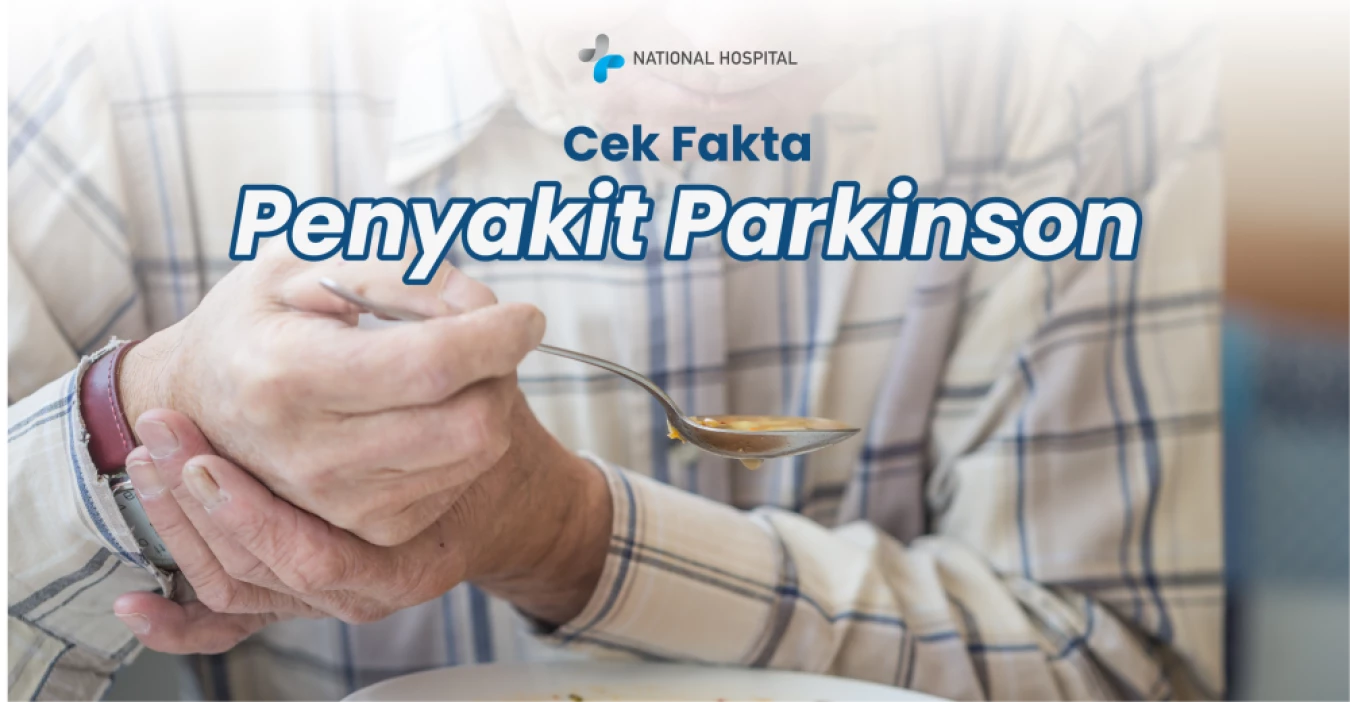
Parkinson’s disease is a progressive neurodegenerative disorder that is often associated with the aging process. But is age truly the only cause of Parkinson’s?
In reality, this disease is triggered by a combination of interrelated factors. In this article, we will explore the primary causes of Parkinson’s and why age is just one part of the bigger picture.
Parkinson’s does not have a single, definitive trigger. Instead, it results from a combination of biological changes, genetic factors, and environmental influences that collectively reduce the nervous system’s function—particularly the brain's ability to produce dopamine. Here's a detailed explanation:
Causes of Parkinson’s: A Combination of Multiple Factors
Parkinson’s occurs due to reduced levels of dopamine—a neurotransmitter that regulates body movement coordination. This decrease causes motor issues such as tremors, muscle stiffness, and slowness of movement.
This condition results from damage to nerve cells in the brain’s substantia nigra, which gradually lose their ability to produce dopamine effectively.
It is true that aging is a major risk factor. Parkinson’s usually appears after age 55. As we age, nerve cells naturally lose their function.
This age-related cell damage can accelerate the decline in dopamine production. However, it’s important to note that age is not the sole cause—many other factors contribute as well.
Some cases of Parkinson’s are found in individuals with a family history of the condition. Although most cases are sporadic (not inherited), mutations in certain genes such as SNCA or LRRK2 can increase the risk.
Genetics remain a major area of research, but it’s clear that heredity can be a contributing factor—though not always a determining one.
Exposure to harmful chemicals such as pesticides, herbicides, or heavy metals is also linked to a higher risk of Parkinson’s. Living or working in environments with these substances can gradually damage the nervous system.
Some studies show that people living in agricultural or industrial areas are at higher risk for this disease.
Repeated brain injuries—common among contact sport athletes or workers in high-risk jobs—have also been linked to Parkinson’s.
Head trauma can cause inflammation and damage to brain tissue, including areas responsible for dopamine production. Over time, this damage can lead to chronic motor disorders.
Treating Parkinson’s involves not only neurologists but also neurosurgeons, who play a vital role in managing symptoms through surgical intervention, especially for patients who no longer respond well to medication.
Neurosurgeons can help alleviate symptoms such as tremors, stiffness, slowness, and balance problems through procedures like Stereotactic Brain Lesion Surgery and Deep Brain Stimulation (DBS) implantation.
These surgeries can improve symptoms by up to 90% compared to patients who rely solely on medication.
In addition to pharmacological treatment and surgery, supportive therapies such as physiotherapy and functional rehabilitation are also beneficial in promoting recovery. This multidisciplinary approach helps improve the patient’s quality of life and slows disease progression.
National Hospital Surabaya offers integrated services for Parkinson’s patients through collaboration among specialists, including neurologists and neurosurgeons. The hospital is supported by modern facilities, advanced laboratories, and an experienced medical team capable of managing Parkinson’s cases comprehensively.
One of the senior consultant neurosurgeons and Parkinson’s experts at National Hospital is Dr. dr. Achmad Fahmi, SpBS(K)Subsp.NF., FINPS., IFAANS, who specializes in Parkinson’s treatment and is also a Parkinson’s researcher and international speaker. You can access full information on doctor schedules and available services through the official website of National Hospital.
With the right medical care, Parkinson’s patients can live better and more productive lives. If you experience suspicious symptoms, consult an internal medicine doctor immediately for further evaluation. Remember, Parkinson’s is caused by a complex interaction of many factors—not just age alone.






 info@national-hospital.com
 Suggestion
 Login
Login