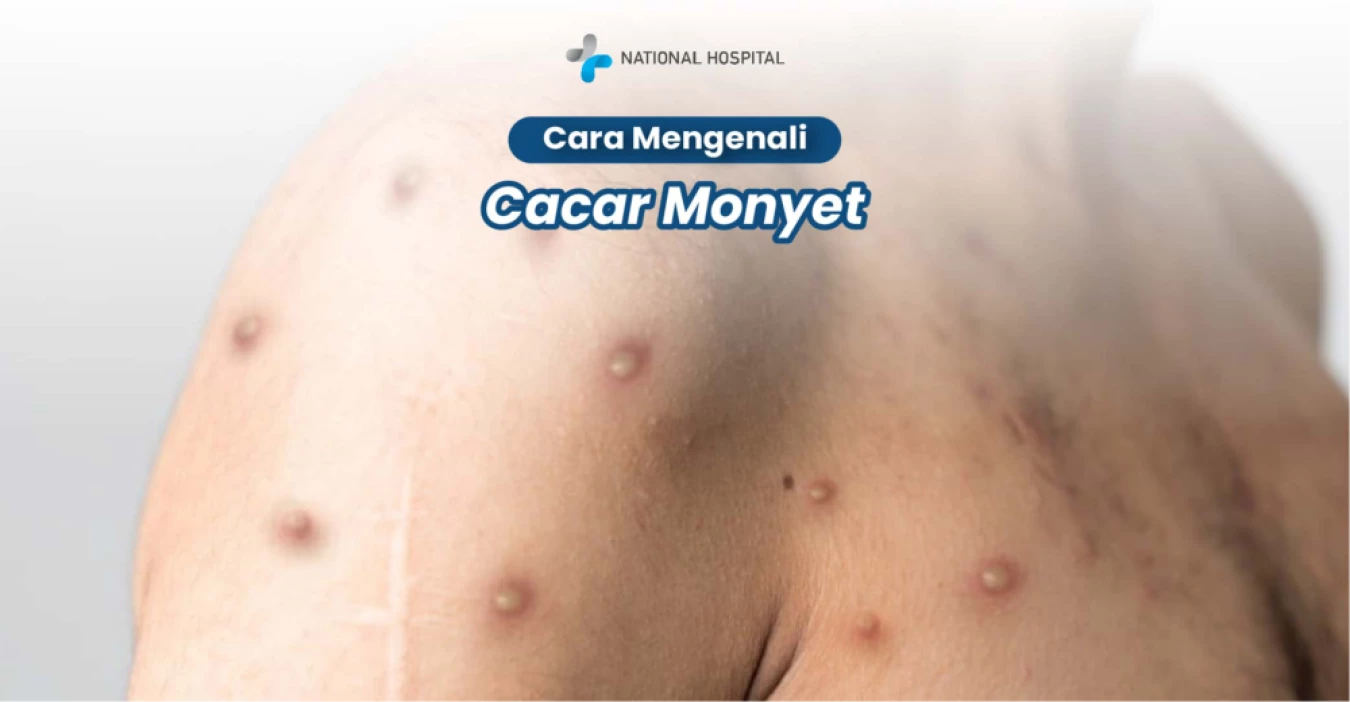
Monkeypox (Mpox) is a contagious disease caused by a virus. Awareness of this illness is essential, especially in recognizing its symptoms and characteristic skin manifestations.
Understanding how monkeypox appears on the skin is a crucial first step in early detection and receiving proper treatment. We understand the public’s concerns, which is why we are here to help you identify the stages and unique features of the rashes caused by this disease.
Monkeypox infection generally occurs in two main phases: the early phase before the rash appears (prodromal phase) and the rash or eruption phase.
This stage usually lasts about 0–5 days before the rash appears. Symptoms resemble those of the flu, including:
A distinguishing feature from chickenpox is swollen lymph nodes (lymphadenopathy), which can be felt in the neck, armpits, or groin.
This phase typically begins 1–3 days after fever onset, marked by the appearance of skin rashes or lesions.
The rash is the hallmark feature of monkeypox and generally progresses in the following sequence:
The rash often begins on the face, then spreads gradually to other body parts, including the palms, soles, mouth, and genital or anal areas. The lesions may be itchy and painful.
Monkeypox rashes are often mistaken for chickenpox or other skin conditions. Here are some key differences:
Stay alert to these signs as part of early detection efforts.
You should seek medical advice promptly—especially from a dermatologist—if you or someone close to you experiences:
Although monkeypox often resolves on its own, accurate diagnosis and management are crucial to prevent complications and further transmission. Early identification of skin lesions helps doctors determine the right course of treatment.
Being vigilant about early symptoms and rash progression is key to controlling the spread of monkeypox.
If you are in Surabaya and experience symptoms consistent with monkeypox, seek immediate examination and medical care at a reputable healthcare facility.
As one of Surabaya’s largest and most comprehensive hospitals, National Hospital Surabaya offers professional diagnosis and treatment for infectious diseases, including suspected monkeypox cases.
Your health is our priority.






 info@national-hospital.com
 Suggestion
 Login
Login