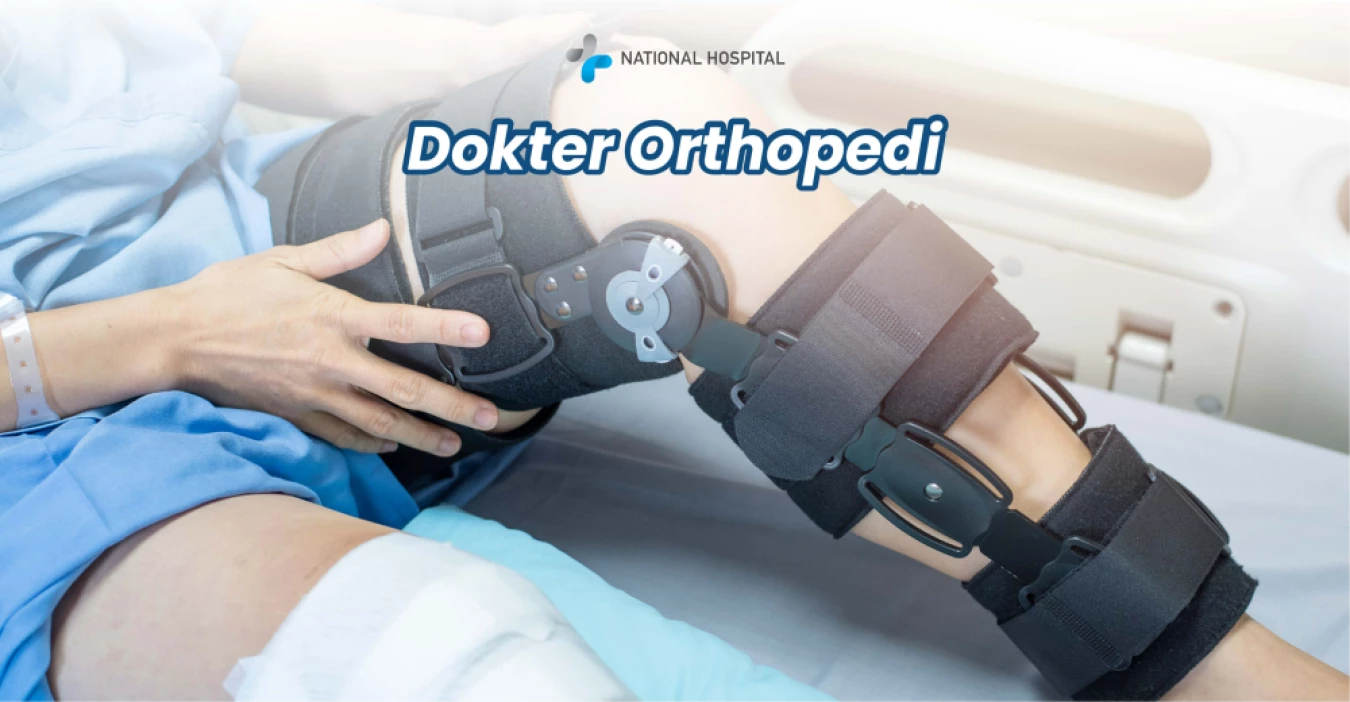
Many people experience problems with their bones, joints, or muscles without knowing the proper treatment. In fact, an orthopedic doctor is a medical specialist who focuses on conditions affecting the musculoskeletal system, including the spine.
If you often experience back pain or limited mobility, consulting an orthopedic doctor can be the best solution. Through a thorough examination, you can better understand your bone health and receive treatment tailored to your needs.
An orthopedic doctor is a medical professional who specializes in the diagnosis, treatment, and rehabilitation of problems involving bones, joints, muscles, ligaments, and tendons. Their role is not limited to performing surgery; they also provide non-surgical treatments such as medication or physiotherapy to help restore patient mobility.
Orthopedics covers a wide range of conditions. An orthopedic doctor can treat fractures, joint dislocations, ligament tears, and chronic diseases such as arthritis and osteoporosis.
There are also subspecialties, including spine orthopedics, hand orthopedics, and hip and knee orthopedics. This way, you can receive treatment specific to your musculoskeletal complaint.
Injuries from accidents, sports activities, or falls often require orthopedic attention. Common cases include fractures, ligament injuries, tendon tears, and joint trauma. Orthopedic doctors also manage chronic conditions such as arthritis, which can significantly impact daily activities.
One of the main focuses of orthopedics is spinal health. Orthopedic doctors treat conditions such as herniated discs (HNP), scoliosis, spondylosis, and spinal stenosis.
Symptoms such as back pain, numbness, tingling, or muscle weakness are often linked to these issues. Proper treatment is essential to maintain nerve function and body movement.
Some symptoms that indicate the need for an orthopedic consultation include:
Severe pain and swelling after an accident or sports injury.
If left untreated, spinal conditions may worsen over time.
During your first visit, the orthopedic doctor will conduct a physical examination and ask about your medical history. To gain a clearer understanding, diagnostic tools such as X-rays, MRI, or CT scans are often used.
These results form the basis of a treatment plan, whether conservative (such as physiotherapy and medications) or surgical if necessary.
Early detection is crucial to prevent permanent damage. Spinal issues addressed promptly give patients a better chance of recovery and reduce the risk of complications.
With proper treatment, patients can improve their quality of life and return to daily activities without debilitating pain.
To maintain spinal health, it is highly recommended to have a direct check-up with an orthopedic doctor. Early management helps prevent more serious problems in the future.
As an option, you can undergo a spinal check-up at National Hospital, which offers complete medical facilities and experienced orthopedic specialists to treat a wide range of spinal issues.
Through comprehensive examinations, you can receive the best solution for the health of your musculoskeletal system.






 info@national-hospital.com
 Suggestion
 Login
Login