Many people still associate knee replacement surgery—whether Total Knee Replacement (TKR) or Partial Knee Replacement (PKR)—with severe pain, prolonged hospitalization, and a difficult recovery process. However, advances in technology and modern care protocols have significantly transformed the patient experience.
Today, through the Enhanced Recovery After Surgery (ERAS) approach, patients undergoing knee replacement surgery can recover faster, begin walking sooner, and even return home earlier than ever before. Read on for the full explanation!
ERAS (Enhanced Recovery After Surgery) is an evidence-based approach designed to accelerate patient recovery following surgery. According to dr. Glen Purnomo, Sp.OT, Subsp.PL(K), FICS, Consultant Orthopaedic Hip and Knee Surgeon at National Hospital Surabaya, the success of modern knee replacement surgery depends not only on surgical technique but also on the entire continuum of care before, during, and after the procedure.
The ERAS protocol includes: Patient education, Preoperative health optimization, Multimodal pain management, Minimally invasive surgical techniques that reduce tissue trauma and Early postoperative mobilization. The primary goals are to reduce pain, lower the risk of complications, accelerate functional recovery, and enable patients to return to their daily activities sooner.
One of the most significant changes in modern knee replacement surgery is the emphasis on early mobilization. In the past, patients were often advised to remain in bed for extended periods after surgery. Today, however, most patients are encouraged to begin moving as soon as possible.
With proper implementation of the ERAS protocol, patients can typically begin sitting, standing, and walking with the assistance of a physiotherapist within a few hours after surgery. Early mobilization actually helps to:
Now the question is: Do patients need to stay in the hospital for several days? The answer is, "Not always." For patients who meet specific criteria and do not have significant underlying medical conditions, modern knee replacement surgery may allow discharge on the same day or the day after surgery.
The decision to discharge a patient depends on several factors, including:
However, patients with certain comorbidities or more complex medical conditions may still require longer observation and inpatient care to ensure a safe and comfortable recovery process.
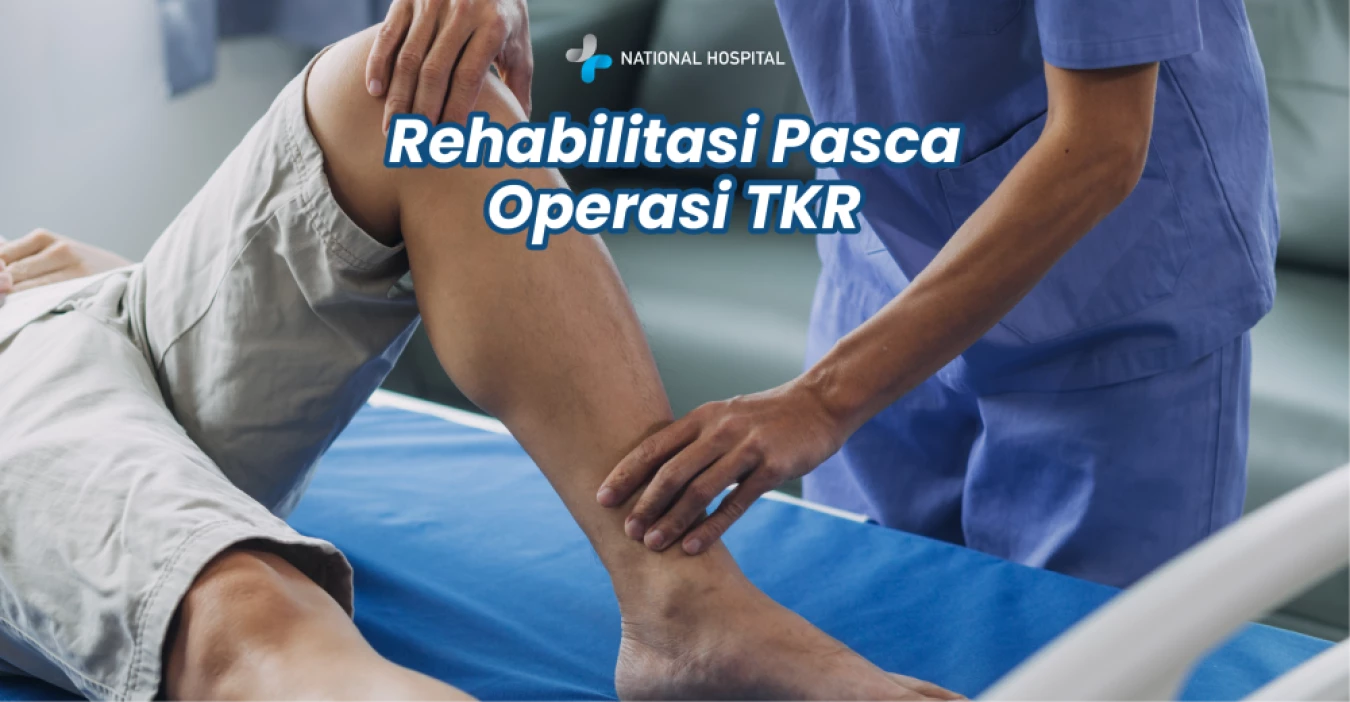
Although patients may begin walking sooner after surgery, physiotherapy remains a crucial component of long-term success. The rehabilitation program aims to:
Recovery speed varies from person to person, but most patients experience significant pain reduction and noticeable improvements in quality of life within a few weeks after surgery.
Advances in surgical techniques, pain management, anesthesia, and rehabilitation have transformed the knee replacement experience. With the implementation of ERAS protocols, many patients can now stand and walk just a few hours after surgery and return home much sooner than with conventional approaches.
Most importantly, every patient undergoes a comprehensive evaluation to determine whether they are an appropriate candidate for a rapid recovery program, ensuring that safety remains the top priority throughout treatment.
If knee pain caused by osteoarthritis has begun to limit your daily activities, consult the Hip & Knee Center at National Hospital Surabaya to learn about the treatment options best suited to your individual needs.






 info@national-hospital.com
 Suggestion
 Login
Login