By the end of 2022, there were approximately 19.8 million deaths or 32% of all global deaths. Of these, 85% were caused by heart attacks and strokes. Scientists and doctors continue to conduct research to better understand the early signs and symptoms of heart disease, as well as its prevention, in order to reduce risks and complications.
Many people are unaware that the body sends warning signals early on. By recognizing these signs, you can take the right actions before the condition worsens. This article briefly discusses the early warning signs of heart disease and preventive steps you can take early on.
Early symptoms of heart disease may vary between individuals. However, there are some common signs that should be taken seriously and not ignored.
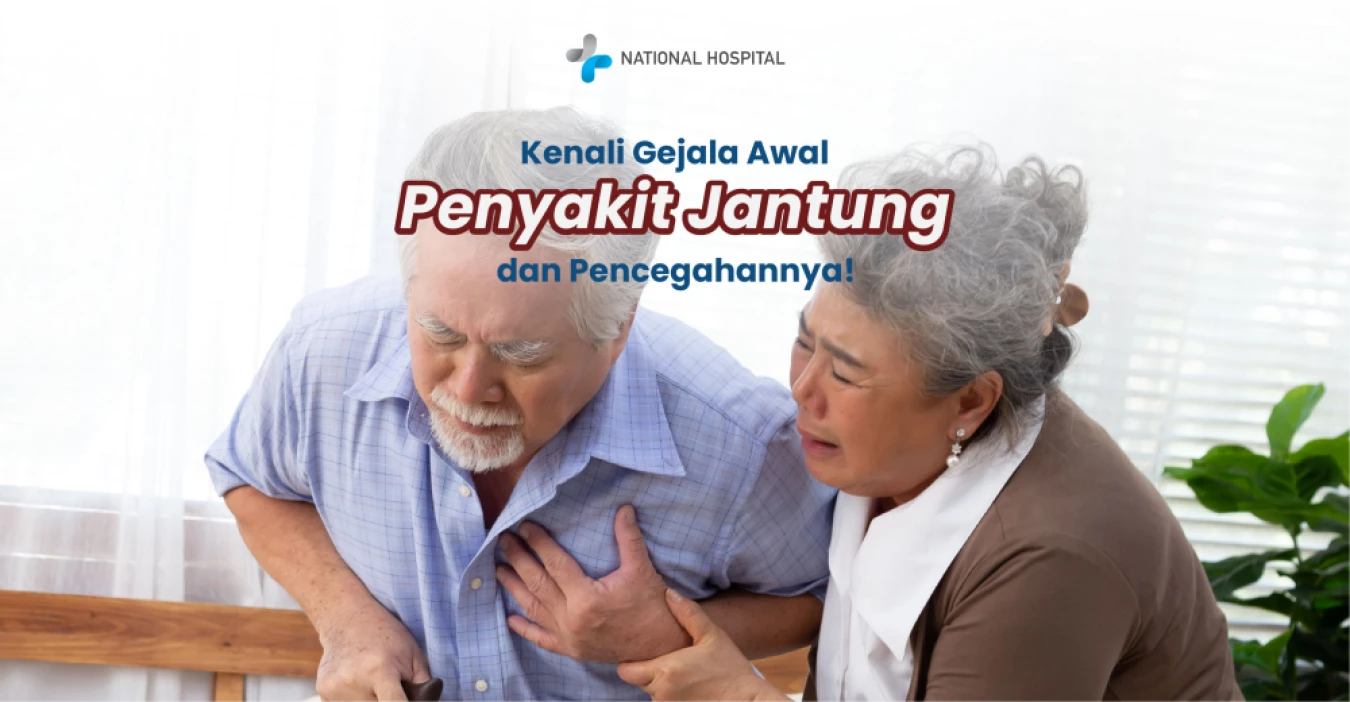
Known as angina pectoris, this is the classic chest pain symptom of coronary heart disease. This pain is typically felt as a heavy pressure in the center of the chest. In some cases, the pain may radiate to the left arm, jaw, neck, or back.
These symptoms can occur at any time, including during physical activity or even at rest. If you experience unusual chest pain, seek medical help immediately—especially if it doesn’t go away within 15 minutes—as it could be an early sign of a heart attack.
Sudden shortness of breath or difficulty breathing during light activity can be a sign that the heart is not effectively pumping blood throughout the body. A lack of oxygen will cause the body to respond with rapid breathing and fatigue. When this occurs along with chest pain, it strongly suggests a heart issue.
This symptom is often underestimated, especially by women or less physically active individuals, leading to delays in treatment.
Fatigue without a clear cause (such as anemia, infection, thyroid issues, or uncontrolled diabetes) may also indicate a heart problem. Sudden fatigue is one of the signs of reduced cardiac output and should be investigated promptly.
Known as arrhythmia, this refers to an abnormal heart rhythm. Symptoms may include palpitations, a heartbeat that’s too fast or too slow. Irregular heart rhythms can cause discomfort, dizziness, or even near-fainting episodes. Not all arrhythmias show symptoms many are discovered during routine checkups.
Even though not all arrhythmias are dangerous, you should pay attention if any of the following are present:
If you experience any of these signs, further evaluation is necessary.
Other often-overlooked symptoms of heart problems include nausea, dizziness, and cold sweats. These usually appear alongside chest pain or shortness of breath, but are frequently mistaken for digestive issues.
Women and the elderly are more likely to experience these symptoms during a heart attack. If you feel a combination of these symptoms, seek medical evaluation immediately.
Recognizing early symptoms and adopting a healthy lifestyle are the most effective prevention strategies. Here are proven ways to reduce risk:
Making these habits part of your routine can significantly lower your risk of developing early symptoms of heart disease.
If you experience one or more early symptoms of heart disease, it is highly recommended that you consult a cardiologist immediately. Early diagnosis and treatment are crucial to prevent serious complications.
For your convenience, the schedule of cardiologists at National Hospital can be viewed on the hospital’s official website or by contacting the information service provided.
Don’t delay—make an appointment based on the cardiologist's schedule for proper evaluation and treatment. Timely treatment can be life-saving, especially if symptoms are already present.
Do not wait if you experience warning signs such as severe chest pain, extreme shortness of breath, or loss of consciousness. In such situations, seek emergency medical help immediately.






 info@national-hospital.com
 Suggestion
 Login
Login