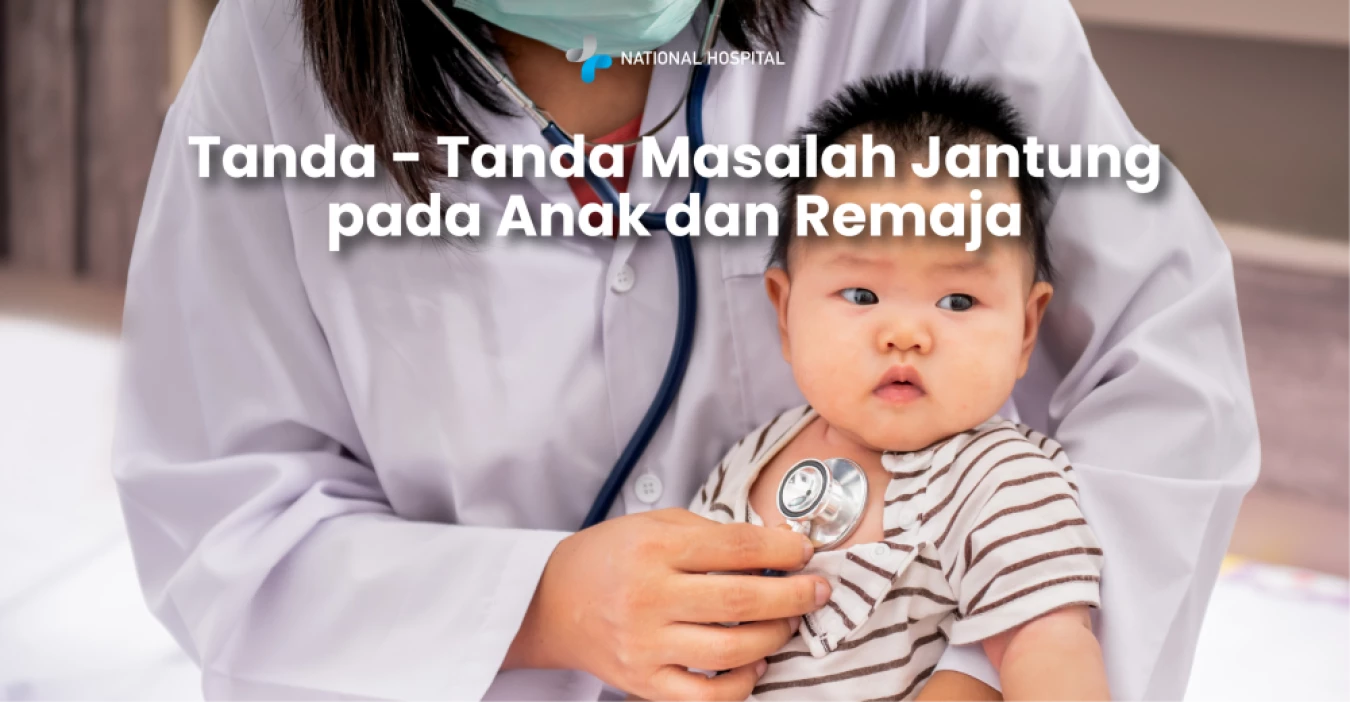
Heart disease affects not just adults and the elderly; newborn newborns and children can also acquire heart illness. Some congenital cardiac problems in children are simple, and therapies are not always necessary.
Other congenital cardiac problems in children appear to be more complicated, requiring many procedures over several years. Serious congenital cardiac abnormalities are frequently discovered before or shortly after the kid is born.
If any indications or signs of heart disease at a young age, parents should seek quick medical assistance in order to have an accurate and fast diagnosis, which will lead to effective treatment approaches.
Not only can heart illness hinder growth and development in children, but it can also lead to life-threatening consequences. Parents need to receive immediate medical assistance if any of these five warning signs or symptoms occur.
This will ensure that testing is done quickly and accurately, which will result in the best possible therapy that is suitable and successful. Five warning signals that may suggest heart disease are:
Shortness of breath, fatigue, and weakness.
The existence of skin, such as nails, mucous membranes, and lips, that is grayish-blue or purple in hue.
cardiac palpitations, fast heartbeat, dizziness, and recurrent syncope may be caused by cardiac rhythm issues.
Other connected symptoms, such as chest discomfort. However, young patients with chest discomfort are less likely to be identified with heart abnormalities than adult patients with identical symptoms.
Cardiologists identify irregular heart sounds, which may or may not be associated with abnormal symptoms.
Congenital heart defects in children
During the first six weeks of pregnancy, the heart begins to beat and major blood arteries form. Cardiac abnormalities may develop, influenced by genetics, medical disorders, drugs, and environmental factors.
Congenital cardiac defects have an average incidence rate of 8 per 1000 live births. Serious abnormalities are often identified before or shortly after birth. Some congenital heart illnesses are minor, and lifestyle changes are advised to prevent further complications.
The acquired heart diseases in children
Rheumatic heart disease occurs when rheumatic fever causes chronic damage to the heart valves. Heart valve damage may occur rapidly after an untreated or undertreated streptococcal infection.
An immunological reaction creates inflammation, which leads to persistent valve deterioration. Rheumatic fever primarily affects school-aged children. Because of the progress made in medicine, particularly in industrialized nations, rheumatic fever appears to be uncommon despite the prevalence of streptococcal infection.
Kawasaki illness is the most common cause of childhood heart disease. It produces inflammation in the body's arterial walls, and this inflammation often damages the coronary arteries, which feed blood to the heart muscle, leading to coronary artery aneurysm.
All types of viral infections, which is also referred to as viral myocarditis, might potentially lead to cardiac muscle inflammation and interfere with the electrical circuits that instruct the heart to beat correctly. Consequently, it is one of the main reasons for sudden cardiac arrest.
It refers to aberrant heartbeats, such as those that are excessively fast, too slow, or have an irregular rhythm. Pediatric tachycardia, or an excessively rapid heartbeat that prevents the heart from filling with blood before contracting, is the most frequent cardiac rhythm disorder.
Related symptoms such as heart palpitations, fast heartbeats, chest discomfort, and dizziness may occur at random. However, it can result in catastrophic circumstances like sudden cardiac death.
Heart disease can appear even at a young age, with signs such as chest pain, palpitations, or unusual fatigue. Early detection is essential to prevent further complications.
If you experience these symptoms, do not take them lightly. Consult your condition with a specialist immediately.
National Hospital provides heart consultation services with experienced medical personnel and complete facilities. Protect your heart health, contact us now for further treatment.






 info@national-hospital.com
 Suggestion
 Login
Login