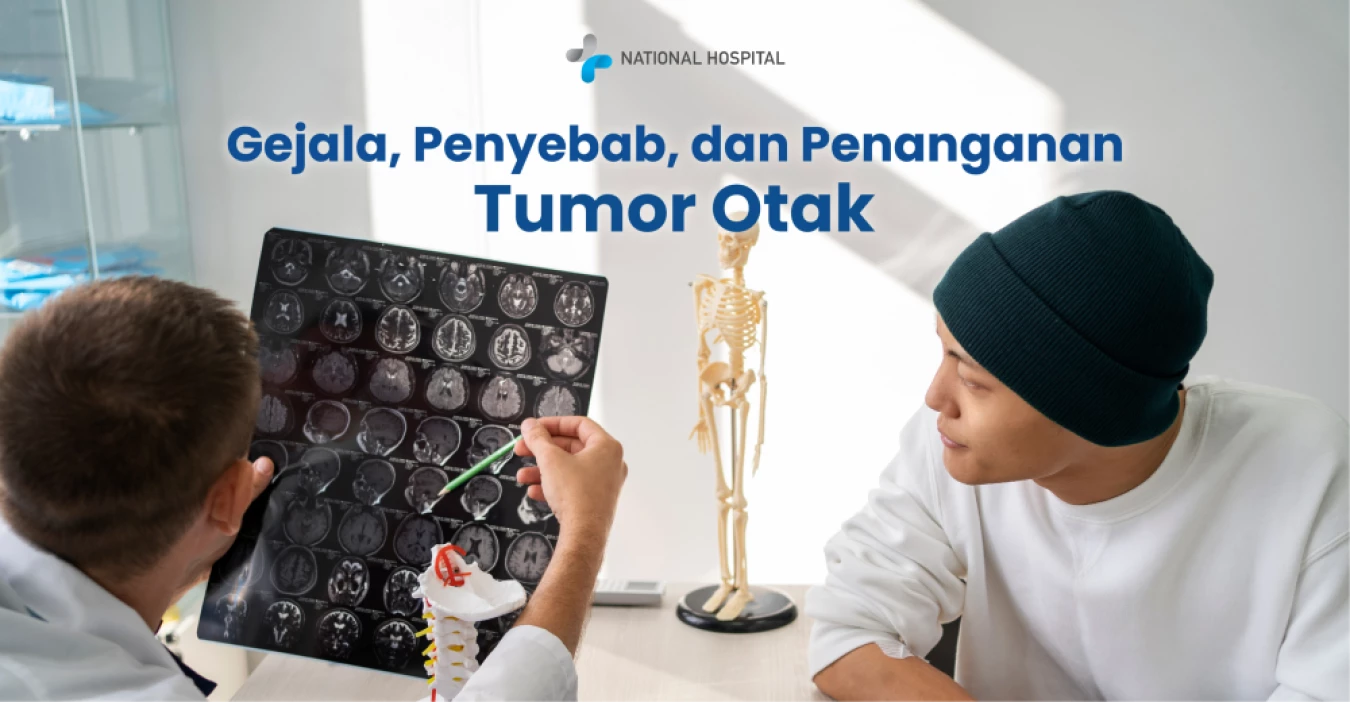
Brain tumors are a serious medical condition that affects the brain and central nervous system. Although often considered a rare disease, it is important for us to understand the symptoms, causes, and treatments. With this knowledge, we can recognize early signs and seek appropriate medical help promptly.
Symptoms of brain tumors can vary greatly depending on the tumor's size, location, and type. Here are some common symptoms often seen in brain tumor patients:
Unusual, severe, and frequent headaches, especially those that worsen in the morning or when lying down.
Nausea accompanied by vomiting without a clear cause can indicate pressure on the brain.
Blurred vision, double vision, or loss of vision in one eye can suggest a tumor near the optic nerve.
Confusion, personality changes, memory problems, and difficulty concentrating.
Sudden seizures that have not been previously experienced should be noted.
Weakness on one side of the body or loss of sensation in certain body parts.
Difficulty speaking or understanding speech may indicate a tumor in the area that controls language abilities.
The exact cause of brain tumors is not fully understood. However, some risk factors are known to increase the likelihood of developing a brain tumor, including:
A family history of brain tumors can increase an individual’s risk of the same condition.
Exposure to radiation in the head, especially ionizing radiation used in cancer therapy, can increase the risk of brain tumors.
The risk of brain tumors increases with age, although some types are more common in children.
Individuals with weakened immune systems, such as those with HIV/AIDS or those undergoing immunosuppressive therapy, are more susceptible to brain tumors.
Some studies suggest that exposure to certain chemicals in the workplace can increase the risk of brain tumors.
Managing brain tumors requires a comprehensive approach and often involves various medical disciplines. Here are some commonly used treatment methods:
Surgery is the most common initial step in managing brain tumors. The goal is to remove as much of the tumor as possible without damaging healthy brain tissue.
Radiation therapy uses high-energy rays to kill remaining tumor cells after surgery or as a primary treatment if surgery is not feasible.
The use of drugs to kill or stop the growth of tumor cells. Chemotherapy can be administered orally or through infusion.
This therapy uses drugs that target specific molecules involved in tumor growth and development.
This therapy aims to reduce symptoms and improve the patient’s quality of life, such as using anti-seizure medications or drugs to reduce brain swelling.
Brain tumors are a serious condition that requires immediate medical attention. By understanding the symptoms, causes, and treatments of brain tumors, we can be more vigilant and take necessary actions earlier. National Hospital, with its team of top neurosurgeons and modern facilities, is ready to provide the best care for you. Don’t delay; consult your condition now and get the care you need for a healthier and higher quality of life.






 info@national-hospital.com
 Suggestion
 Login
Login