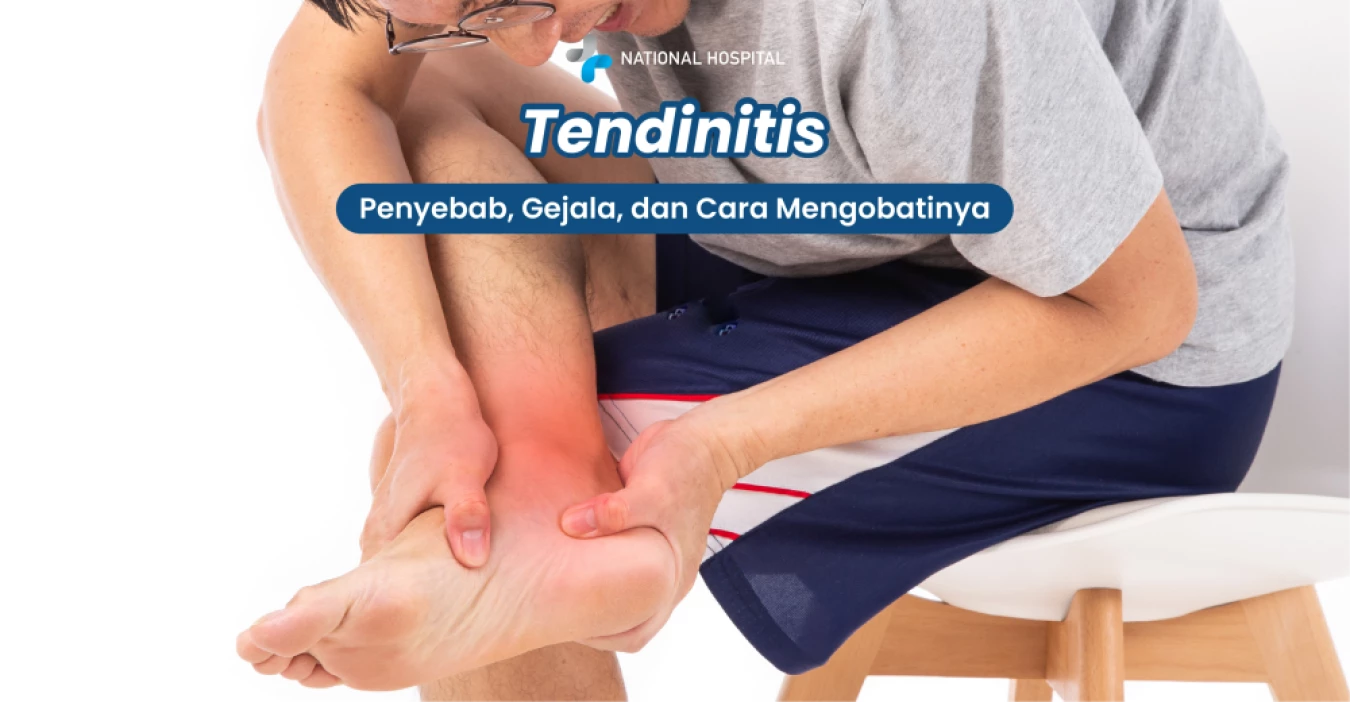
Tendinitis is a common condition experienced by many people, involving inflammation or irritation of a tendon. Tendons are thick cords that connect muscles to bones.
This condition can cause pain and interfere with movement in various parts of the body, such as the shoulder, elbow, wrist, knee, and heel. Understanding this condition is important so we can take the right preventive and treatment steps.
Simply put, tendinitis is inflammation of a tendon. Imagine a tendon like a strong, elastic rubber band. When it is overused or suddenly overstretched, it can become irritated and inflamed.
This inflammation causes pain, especially when the affected tendon is moved. The condition is also often referred to as tendinopathy, a broader term for tendon-related problems.
If you experience pain when moving a certain joint after activity, you may have tendinitis.
Several main factors can trigger tendinitis:
This is the most common cause. Performing the same motion repeatedly over a long period can place excessive stress on a tendon. Examples include typing for hours, playing golf or tennis (often called tennis elbow or golfer’s elbow), or jobs that require repeated lifting.
Although less common, sudden trauma or a hard impact during sports or a fall can also cause tendon inflammation.
As we age, tendons naturally become less flexible and more prone to injury. This reduced elasticity makes tendons easier to irritate or tear.
Certain diseases such as diabetes or rheumatoid arthritis can increase the risk of tendinitis.
Skipping warm-up exercises before sports or heavy activity can make tendons stiff and more vulnerable to irritation and injury.
The main symptom of tendinitis is pain. This pain is usually dull or aching and often worsens when you move the affected area. Other possible symptoms include:
Crackling sensation: A grating or creaking feeling when the tendon moves
If you experience these symptoms—especially pain that does not improve after a few days of rest—you are advised to consult an orthopedic doctor. Early treatment is key to faster recovery.
The main goals of treatment are to relieve pain and reduce inflammation so the tendon can heal completely.
The most important first step is resting the injured tendon. Avoid activities that trigger pain. If your work involves repetitive motion, modify your technique or use ergonomic aids.
Once inflammation decreases, a structured physical therapy program can help strengthen the muscles around the affected tendon and improve flexibility. Gentle stretching is also very beneficial.
Applying ice to the painful area for 15–20 minutes several times a day can help reduce pain and swelling.
A physiotherapist can guide you through proper exercises and use additional techniques, such as specialized massage, to speed tendon recovery.
With proper and consistent treatment, most cases of tendinitis can fully recover. If initial management is unsuccessful, doctors may consider other options such as corticosteroid injections or, in very rare and severe cases, surgery.
To ensure you receive the best diagnosis and treatment plan, the medical team at National Hospital provides experienced orthopedic specialists and comprehensive supporting facilities, including physiotherapy, to help you move comfortably again.






 info@national-hospital.com
 Suggestion
 Login
Login