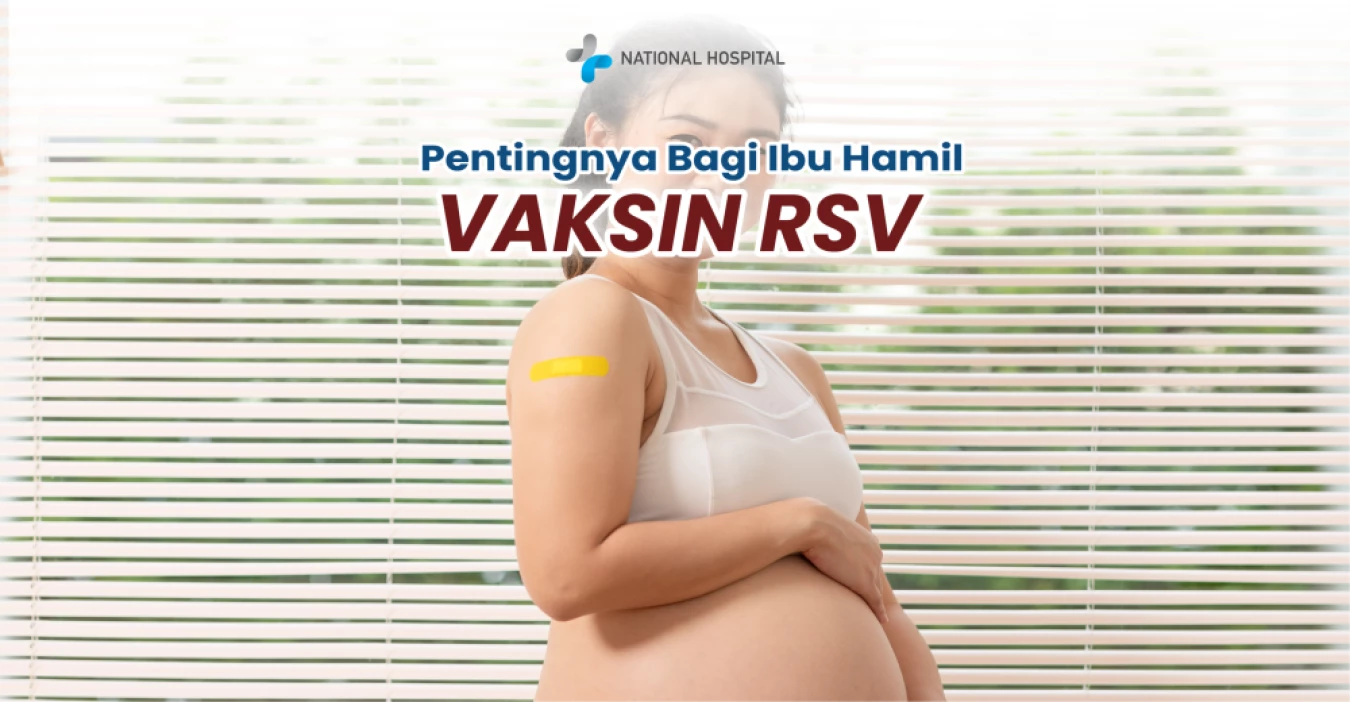
RSV Vaccine (Respiratory Syncytial Virus): Protecting Two Hearts — The Importance of the RSV Vaccine for Pregnant Mothers
The RSV (Respiratory Syncytial Virus) vaccine is designed to protect the body from infection by the respiratory syncytial virus (RSV). RSV is a common virus that causes infections in the lungs and respiratory tract. While it often causes mild symptoms such as a cold, RSV can become very serious and even life-threatening, especially in infants, the elderly, and individuals with certain medical conditions (e.g., chronic heart or lung disease, or weakened immune systems).
Respiratory syncytial virus (RSV) infection is a global health issue that is often underestimated, yet its impact can be severe—especially on the most vulnerable group: infants. In Indonesia, as in many other tropical countries, RSV is a common cause of acute respiratory illness in children. Fortunately, medical advances now offer a revolutionary solution: the RSV vaccine for pregnant women. This vaccine is not just about protecting the mother, but crucially about giving unborn babies their first shield of immunity.
RSV can cause respiratory infections ranging from mild colds to life-threatening conditions such as bronchiolitis (inflammation of the small airways in the lungs) and pneumonia (lung infection). Infants—particularly those under 6 months of age—have smaller airways and underdeveloped immune systems, making them highly vulnerable to serious complications. RSV infections in babies often lead to hospitalization, require oxygen support, and in severe cases, intensive care.
This is where the RSV vaccine for pregnant women becomes especially vital. Administered during the third trimester of pregnancy (typically between weeks 32 and 36), the RSV vaccine works through a mechanism called passive transplacental immunization. When a pregnant woman is vaccinated, her body produces protective antibodies against RSV. These antibodies actively cross the placenta and enter the baby’s bloodstream.
Once the baby is born, these maternal antibodies continue to circulate in the baby's body, offering passive protection against RSV infection during the first few critical months of life. This period is especially important because the risk of severe RSV is highest during this time. In other words, a vaccinated mother not only protects herself but also gives her baby an early gift of immunity, helping the child safely get through RSV season.
This is the most significant benefit. Babies born to vaccinated mothers are at a much lower risk of experiencing severe RSV, hospitalization, and emergency room visits due to RSV.
By decreasing the number of severe RSV cases in infants, this vaccination also helps ease the strain on healthcare facilities, which are often overwhelmed during peak RSV seasons.
The RSV vaccine recommended for pregnant women has undergone rigorous clinical trials and has been proven to be safe and effective for both mother and baby. Common side effects are usually mild, such as soreness at the injection site, and are far less serious than the potential complications of RSV in infants.
The protection provided by this vaccine lasts through the most vulnerable period of a baby's life—the first 6 months.
The general recommendation is to administer the RSV vaccine during the third trimester of pregnancy, between the 32nd and 36th weeks. Giving the vaccine during this time allows the mother's body enough time to produce adequate antibodies and transfer them to the fetus before birth.
Let’s Protect the Next Generation! Choosing to be vaccinated is a proactive step that reflects a mother’s commitment to protecting her child from the very beginning. Given the potential dangers of RSV to infants, it’s important for every pregnant woman to discuss RSV vaccination with her doctor or midwife. This is a unique opportunity to give your baby the best start in life, ensuring they grow and thrive without the threat of this common but serious respiratory virus.
With the RSV vaccine, we protect two hearts: the heart that gives life and the heart that is about to begin it.





 info@national-hospital.com
 Suggestion
 Login
Login