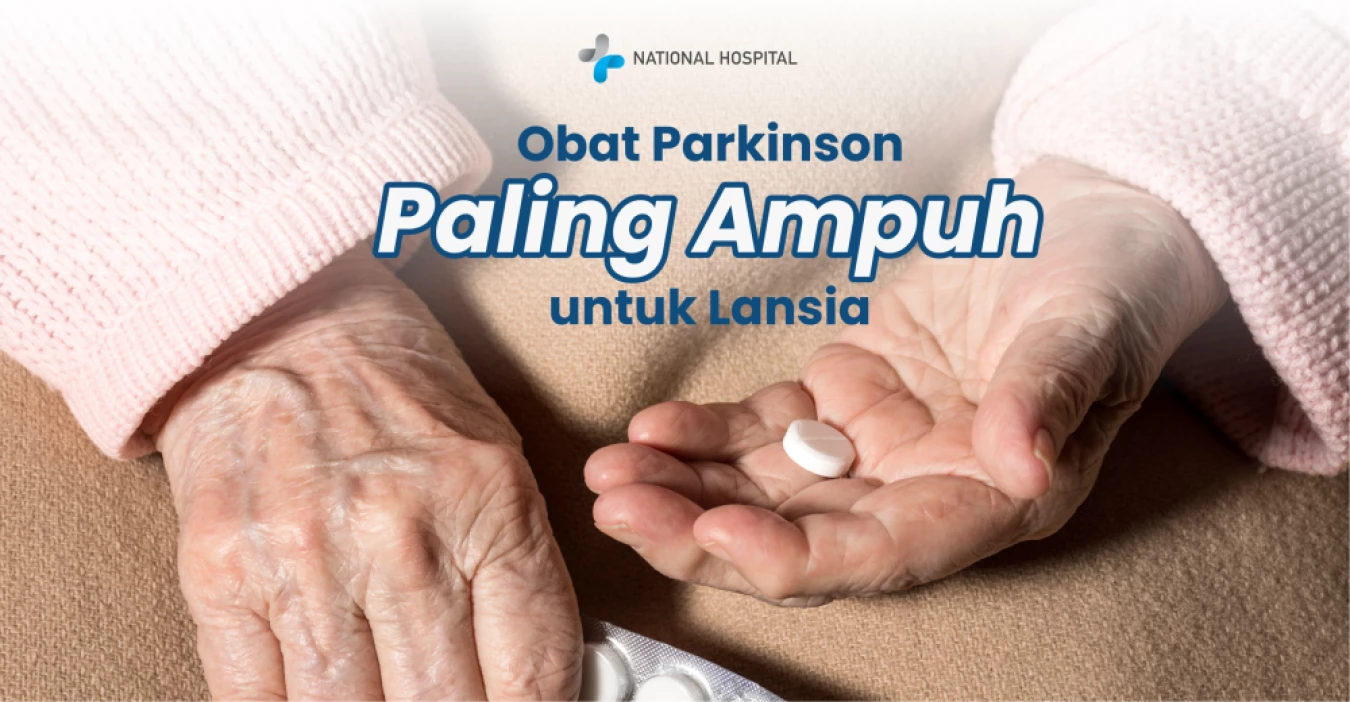
Finding the most effective Parkinson’s medication for the elderly is not a simple task. Parkinson’s disease is a common neurodegenerative disorder among older adults, characterized by tremors, muscle stiffness, and difficulty with movement.
In elderly patients, the challenge becomes greater due to the presence of other health conditions and the risk of side effects from medications. Therefore, it’s crucial to understand the most effective and safest medical therapy options based on the patient's condition.
Medically, the most effective and commonly used Parkinson’s medication is a combination of levodopa and carbidopa. Levodopa works by increasing dopamine levels in the brain, which are drastically reduced in Parkinson’s patients.
Carbidopa prevents levodopa from breaking down outside the brain, making its effects more potent and reducing side effects such as nausea.
Besides the levodopa-carbidopa combination, several other medications may be used depending on the stage of the disease, including:
Tremor is one of the main symptoms of Parkinson’s disease. The levodopa-carbidopa combination is proven to be the most effective in controlling this symptom. However, individual responses to medications can vary.
In some cases, a combination of dopamine agonists or even the use of anticholinergics may be necessary. If tremors do not improve with medication, alternative therapies like stereotactic brain lesion surgery or Deep Brain Stimulation (DBS) implantation can be considered.
Parkinson’s occurs due to a decrease in dopamine, the primary neurotransmitter that controls body movement. Drug therapy focuses on increasing dopamine levels or mimicking its effects.
Besides dopamine, other neurotransmitters like serotonin, acetylcholine, and norepinephrine also influence both motor and non-motor symptoms.
An imbalance of these can lead to sleep disorders, depression, or cognitive issues. Current therapeutic approaches also target abnormal proteins like alpha-synuclein to slow disease progression.
Older adults tend to be more sensitive to medication side effects. Some potential risks include:
Parkinson’s often does not occur alone. Elderly patients frequently suffer from conditions such as dementia, hypertension, diabetes, or osteoporosis. These comorbidities increase the treatment burden and raise the risk of drug interactions. Hence, regular monitoring is essential throughout therapy.
Parkinson’s treatment begins when motor symptoms start to interfere with daily life. In the early stages, dopamine agonists or MAO-B inhibitors may be chosen. However, as symptoms worsen, levodopa becomes the mainstay treatment.
Regular evaluations are needed to adjust dosages and minimize side effects. Medications should not be stopped suddenly, as this can cause serious complications like acute akinesia. Elderly patients require an individualized approach that considers age, other medical conditions, and treatment response.
Choosing the most effective Parkinson’s medication for the elderly requires careful consideration of drug efficacy, potential side effects, and overall health. A personalized approach is essential to achieve optimal quality of life.
For consultation and comprehensive care, you can visit National Hospital Neuroscience Center, a medical center with advanced neurology facilities and an experienced medical team specialized in treating Parkinson’s disease






 info@national-hospital.com
 Suggestion
 Login
Login