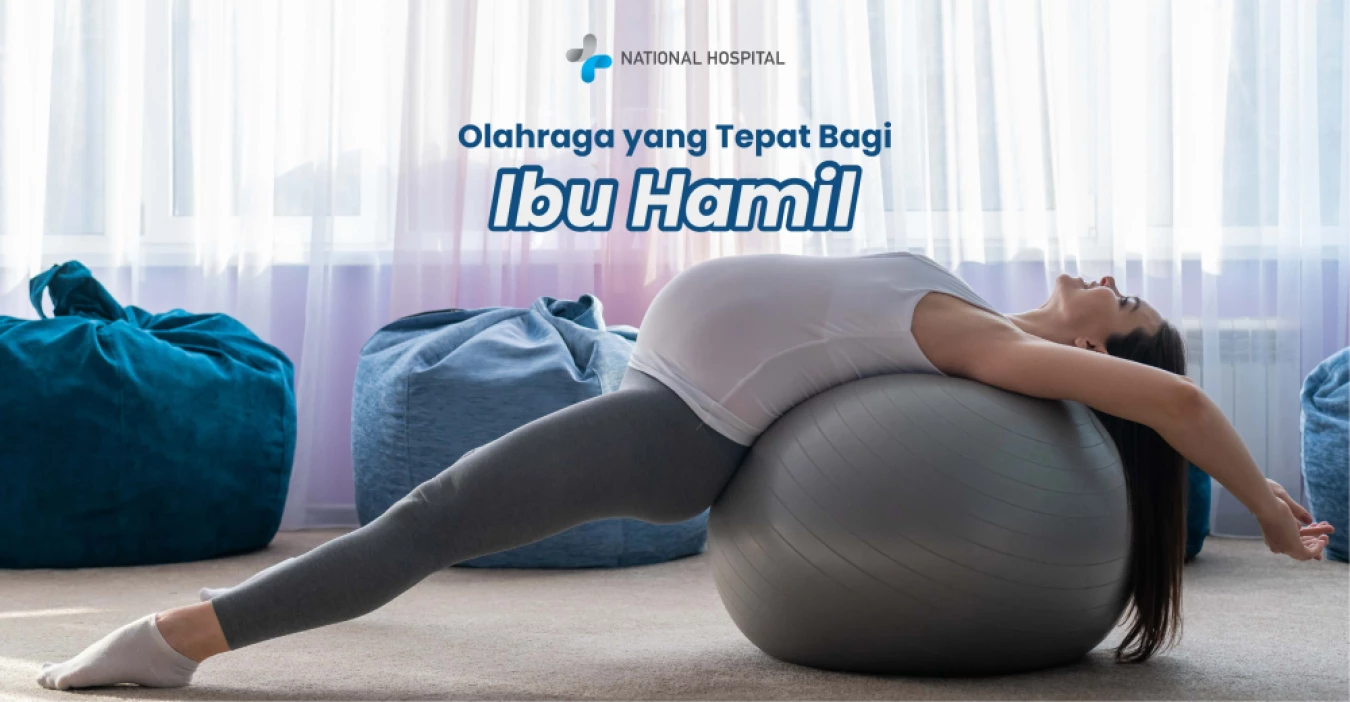
It’s often a question: What kind of exercise is suitable for pregnant women?
Exercise during pregnancy is highly recommended because it offers many benefits for both the mother and the baby. A fit body helps pregnant women better cope with physical changes and prepares them for the delivery process.
Here are some of the key benefits of regular and safe exercise during pregnancy:
Before starting any exercise program, always consult with your doctor to ensure it’s safe for your condition. In general, here are some safe and highly recommended exercises:
Walking is one of the best and easiest options. This low-impact exercise helps maintain heart health, improve blood circulation, and tone muscles without putting too much strain on the joints. You can start with 30 minutes a day, in the morning or evening, in a safe and flat area.
Water activities are ideal, especially as the belly grows. Water supports body weight, reduces joint pressure, and alleviates back pain and swelling. Swimming works out the whole body, while aqua aerobics offers a safe cardio workout.
These classes are specially designed for pregnant women. They focus on breathing, flexibility, and strengthening key muscles for labor, such as the pelvic muscles. The movements help improve balance, relieve stress, and prepare both the body and mind for childbirth.
Joining pregnancy exercise classes led by trained instructors provides structured and safe movements. These classes help tone muscles, practice breathing techniques, and lift your mood. It's also a great way to connect and interact with other pregnant women.
While exercise is beneficial, there are certain activities that should be avoided due to high risk for the mother and baby:
Avoid sports like football, basketball, or martial arts that involve potential collisions or impacts.
Stay away from activities like horseback riding, skiing, or downhill cycling that could lead to serious injuries.
Avoid high-impact aerobics or trampoline workouts that can put excessive pressure on the uterus.
Lifting heavy weights can strain the back and pelvis and increase the risk of hernias. Opt for lighter weights if you want to build strength.
Pressure changes during diving are dangerous and can cause decompression issues for the baby.
Always listen to your body. If you feel dizzy, short of breath, in pain, or experience bleeding during exercise, stop immediately, rest, and seek care at a reputable hospital in Indonesia. Listening to your body is the most important thing during pregnancy.






 info@national-hospital.com
 Suggestion
 Login
Login