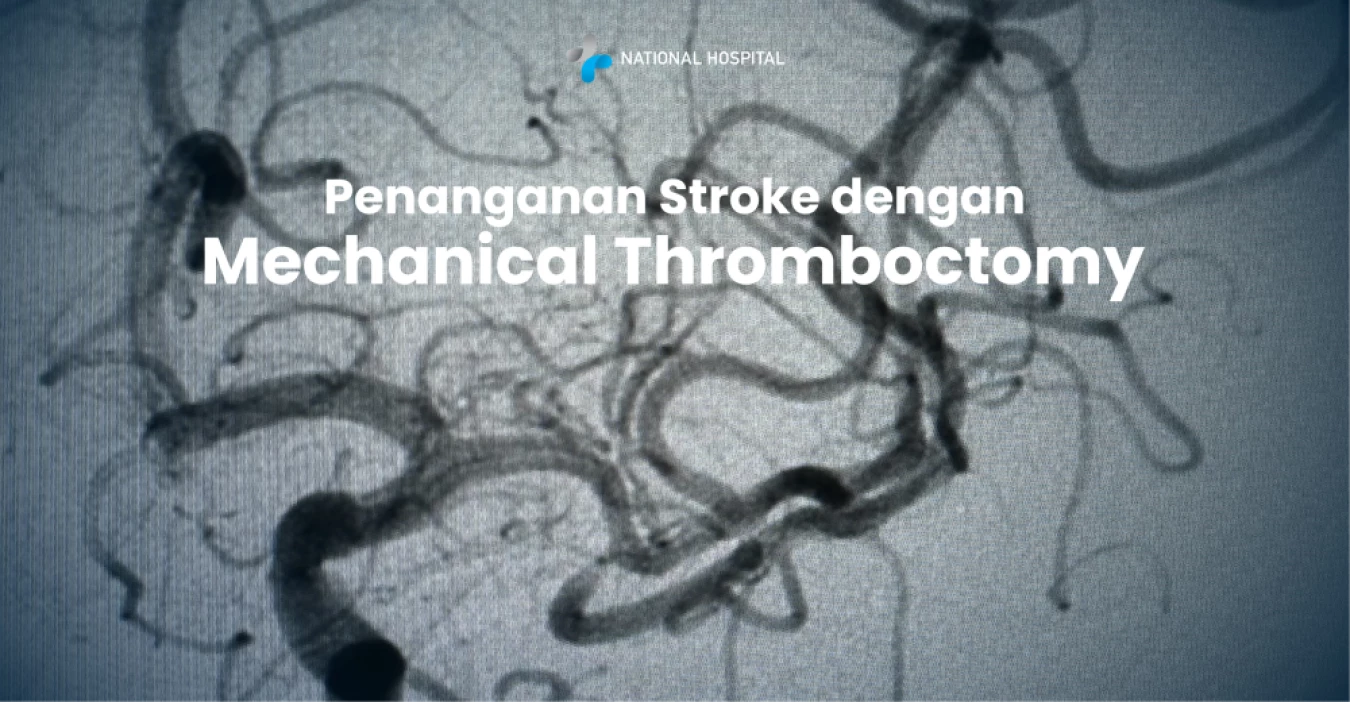
Stroke is one of the most deadly diseases and a leading cause of disability worldwide. There are two main types of stroke: ischemic stroke and hemorrhagic stroke. Ischemic stroke occurs due to a blockage of blood flow to the brain, while hemorrhagic stroke is caused by the rupture of blood vessels in the brain.
In this article, we will discuss the treatment of ischemic stroke using an increasingly popular technique called mechanical thrombectomy.
Mechanical thrombectomy is a medical procedure used to remove a blood clot (thrombus) that blocks an artery in the brain. This procedure is performed using a special device inserted into the blood vessel through a catheter. Once the device reaches the clot location, it captures and removes the blood clot, thereby restoring blood flow to the brain.
Mechanical thrombectomy offers several advantages over other stroke treatment methods, such as thrombolytic therapy (the use of clot-dissolving drugs). Some of the benefits include:
High Effectiveness Mechanical thrombectomy is more effective in removing large clots in the brain's major arteries. Thrombolytic therapy is often less effective for large clots.
Extended Time Window This procedure can be performed longer after the stroke onset compared to thrombolytic therapy, which must be administered within a few hours after the first symptoms appear.
Better Clinical Outcomes Patients undergoing mechanical thrombectomy tend to have better clinical outcomes and higher recovery rates compared to those receiving only thrombolytic therapy.
Mechanical thrombectomy offers several advantages compared to other stroke management methods, such as thrombolytic therapy (the use of clot-dissolving medications). Some of these advantages include:
Mechanical thrombectomy is more effective in removing large blood clots in the major brain arteries. Thrombolytic therapy is often less effective for large blood clots.
This procedure can be performed a longer time after the stroke occurs compared to thrombolytic therapy, which must be administered within a few hours of the first symptoms appearing.
Patients who undergo mechanical thrombectomy tend to have better clinical outcomes and higher recovery rates compared to those who only receive thrombolytic therapy.
Mechanical thrombectomy is usually performed by a neurosurgeon, interventional neurologist, or interventional radiologist in an angiography suite. Here are the general steps in the procedure:
The patient will receive either local or general anesthesia, depending on the clinical condition and the doctor's preference. The patient will also be prepared with antiseptic in the groin or arm area where the catheter will be inserted.
The doctor will make a small incision in the groin or arm and insert a catheter through the femoral or radial artery. The catheter will be guided to the blocked artery in the brain with the help of imaging technology such as fluoroscopy.
Once the catheter reaches the location of the blood clot, mechanical devices such as a stent retriever or aspiration catheter will be used to capture and remove the clot. This process usually involves several attempts to ensure the artery is completely free of the clot.
After the procedure, the patient will be closely monitored in an intensive care unit or recovery room. This monitoring is crucial to detect any complications such as bleeding or reocclusion (re-blockage).
Like all medical procedures, mechanical thrombectomy carries risks and potential complications. Some possible complications include:
Mechanical thrombectomy has become one of the most effective methods for treating acute ischemic stroke. With its ability to remove large blood clots and restore blood flow to the brain, this procedure offers hope for many stroke patients. However, like all medical procedures, mechanical thrombectomy also carries risks and requires proper management and close monitoring. With a comprehensive and collaborative approach across various medical disciplines, optimal outcomes can be achieved for stroke patients.






 info@national-hospital.com
 Suggestion
 Login
Login