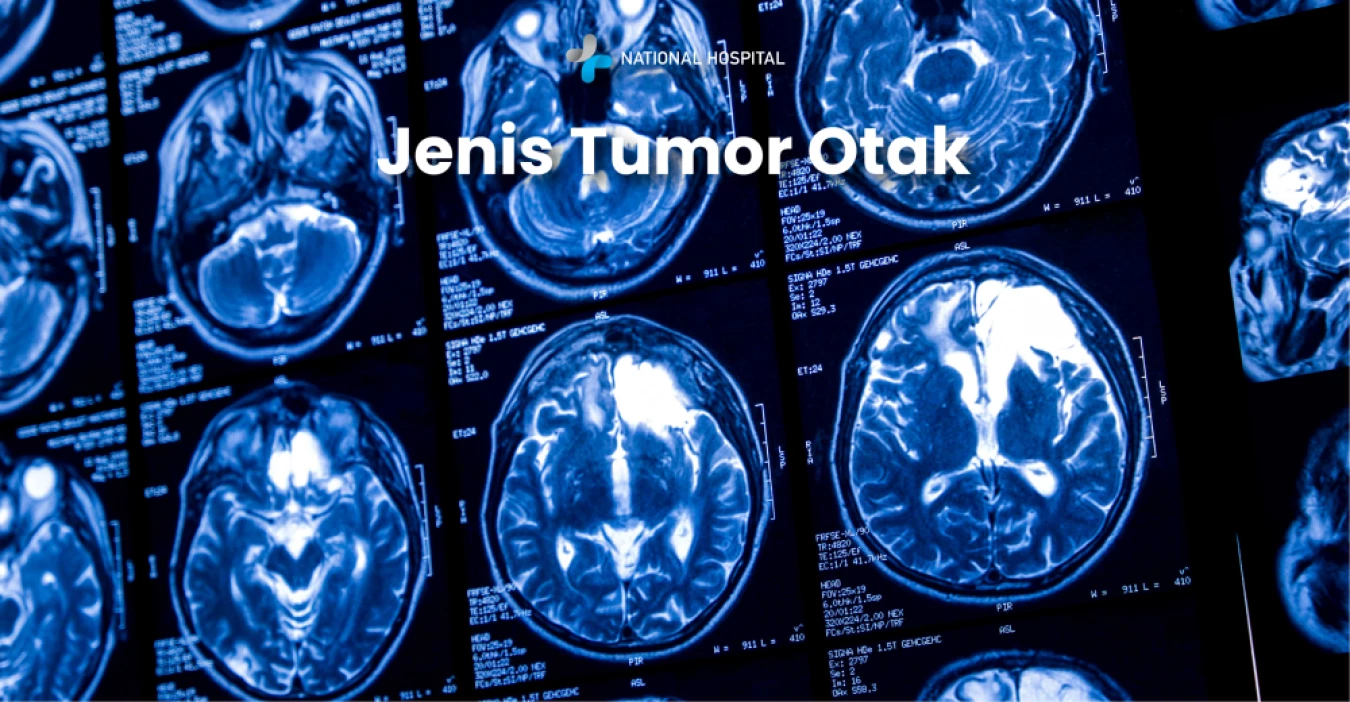
Treatments for brain tumor vary depending on the form and may produce distinct symptoms. As a result, being aware of the many kinds of brain tumours can aid in understanding your illness and selecting the best course of action.
There have been found over 130 different forms of brain tumours, according to the World Health Organisation (WHO). Several of the hundreds of varieties frequently affect people. The following are a few frequent forms of brain tumours.
1. Meningioma
Meningioma is a form of brain tumour that develops in the meninges, the tissue layers that surround the brain and spinal cord. Although they can originate in any region of the brain, the cerebellum and cerebrum are the most frequently affected.
The most prevalent kind of primary brain tumour in adults, particularly in women, is meningioma. The majority of these tumours are grade I or benign. But this illness can progress quickly to grade III, which affects the spine and face.
2. Pituitary adenoma
Pituitary adenoma is a kind of brain tumor that arises in the pituitary gland, a gland responsible for regulating several bodily processes and secreting hormones into the circulation.
This condition, which is also known as a pituitary tumour, mostly affects adults. Furthermore, this kind of tumour is benign, meaning it has a low degree of malignancy.
Pituitary tumour symptoms are contingent upon the tumor's activity, namely whether or not the tissue is releasing hormones. Typical symptoms include the following:
Headache, vomiting and nausea, cognitive abnormalities, cessation of menstruation or period, abnormal hair growth in women, discharge from the breast, impotence in males, and unnatural weight gain are all possible effects of tumour pressure.
3. Acoustic neuroma
Schwann cells are the source of vestibular schwannoma, often known as an acoustic neuroma, a benign brain tumor. The vestibulocochlear nerve, which connects the brain to the ear, has Schwann cells on the exterior.
Balance and hearing are managed by this nerve. Tumours from acoustic neuromas often develop slowly. As a result, those who have them might not exhibit any symptoms right away.
However, the following are a few signs of an acoustic neuroma: imbalance issues, ringing in one or both ears, hearing impairments, vertigo, headache, dizziness, and facial numbness.
4. Craniopharyngioma
A particular kind of brain tumor called a craniopharyngioma develops in the region of the brain next to the eyes or in the vicinity of the pituitary gland in the lower part of the brain.
Benign, or non-cancerous, tumours of this sort are more common in youngsters, while they can also develop in adults and older people.
On the other hand, headaches, change in hormones in adults, development problems in children, and vision difficulties are some of the symptoms of craniopharyngioma.
5. Pineal gland tumor
Pineal gland tumours, as the name implies, start in the pineal gland or its surrounding tissue. The pineal gland lives behind the brain stem in the middle of the brain. Melatonin, the hormone that regulates sleep, is produced by this section of the endocrine system.
Pineal gland tumours can range in malignancy from low to high. Children and young adults are more likely to develop this kind of brain tumour. Pineal gland tumours mostly cause tiredness, headaches, weakness, memory loss, nausea, vomiting, and sometimes even an enlarged head from fluid buildup (hydrocephalus).
Different types of brain tumors require specific and targeted treatment to achieve the best results. Understanding the type of tumor and its impact is essential to planning the right therapy.
If you or someone close to you experiences symptoms of a brain tumor, consult a specialist doctor immediately for a thorough evaluation. National Hospital offers leading medical services with a team of experts and complete facilities.
Don't delay, contact us now to get the right and best treatment.






 info@national-hospital.com
 Suggestion
 Login
Login