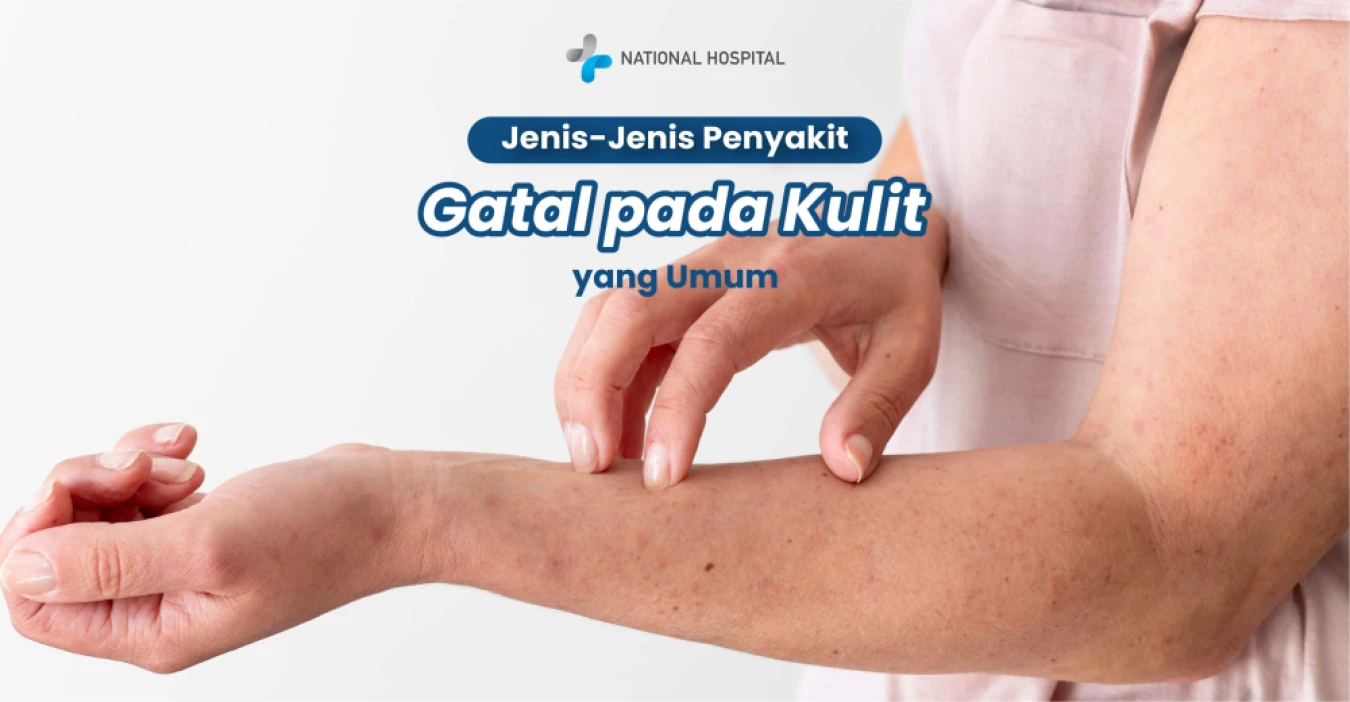
Itchiness can arise from various factors, including allergies, infections, and autoimmune disorders. Recognizing different types of itchy skin conditions early is important so that treatment can be given more accurately.
Eczema, or atopic dermatitis, is a chronic inflammation of the skin characterized by itching, dryness, and scaling. It usually appears in skin folds such as the elbows or behind the knees. Eczema may recur repeatedly, especially if the skin is not well-moisturized or exposed to certain triggers.
Psoriasis is an autoimmune disease that causes red, scaly, and itchy patches on the skin. Symptoms vary, from a burning sensation to thickened patches. Treatment usually involves special soaps, medicated creams, and light therapy (phototherapy) as recommended by a doctor.
Fungal infections can cause bothersome itching, often in skin folds. They are commonly treated with antifungal ointments. However, to prevent the infection from spreading further, it is important to get a prescription and proper guidance directly from a doctor.
Hives, or urticaria, are allergic reactions marked by red patches, swelling, and intense itching. Triggers may include food, medications, or environmental factors. While hives can sometimes disappear on their own, frequent recurrences should be checked by a doctor to identify the root cause.
Some common medical approaches to manage itchy skin include:
Alongside medical treatment, natural methods can help relieve or prevent itchy skin, such as:
If itching does not improve or keeps recurring, consulting a dermatologist is highly recommended.
Only through thorough examination can an accurate diagnosis be made and the right treatment given. Ignoring this condition may worsen symptoms or cause other complications.
Itchy skin can arise from various causes such as eczema, psoriasis, fungal infections, or allergies. Proper management requires a combination of medical treatments, natural remedies, and healthy lifestyle habits.
National Hospital provides dermatology services with modern facilities and the latest therapies.
Through teleconsultation, patients can easily receive treatment without traveling abroad. Direct consultation with doctors at National Hospital ensures accurate diagnosis and effective therapy for various skin problems.
With proper treatment, itchy skin conditions can be controlled, allowing you to return to your activities without discomfort.






 info@national-hospital.com
 Suggestion
 Login
Login