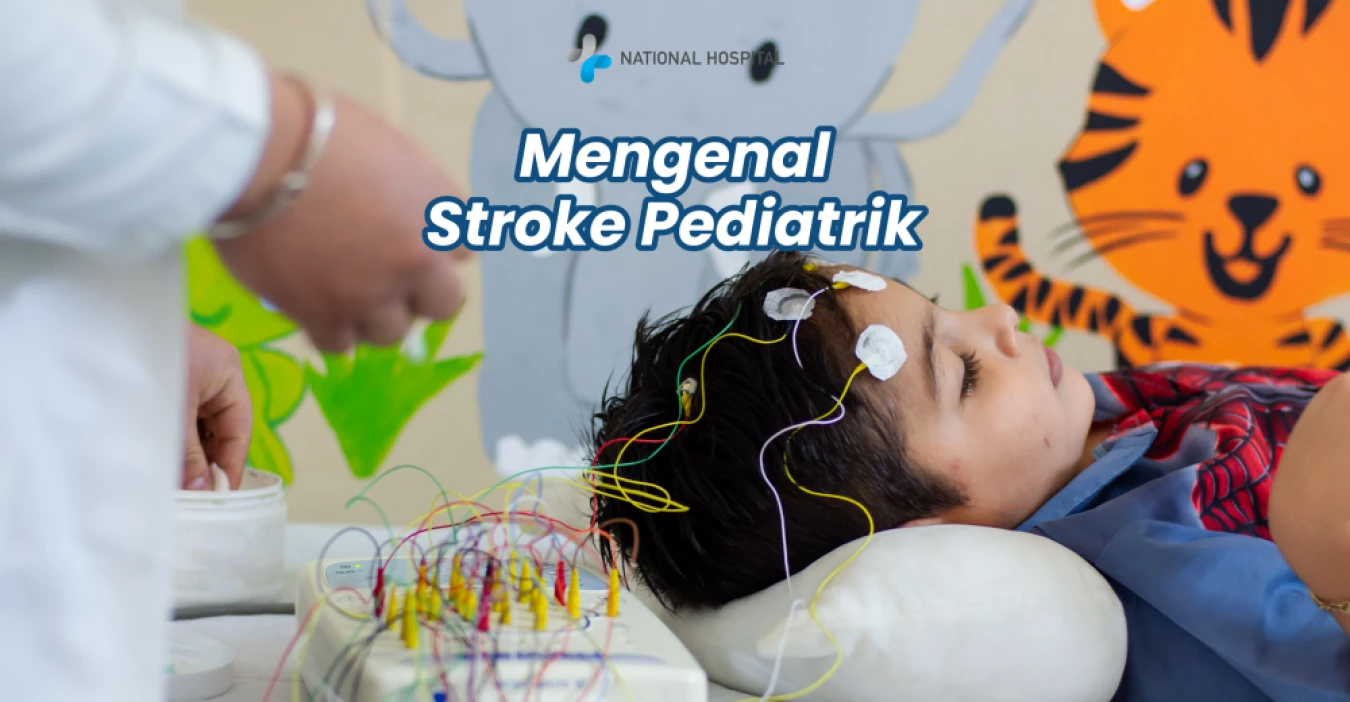
Many people believe that stroke only affects older adults. In fact, stroke can also occur in infants and children. This condition is known as **pediatric stroke**, a disruption of blood flow to the brain that occurs from the time a baby is still in the womb until the age of 18 years.
Although relatively rare, pediatric stroke is a medical emergency that requires immediate treatment. Without prompt and appropriate care, stroke can cause permanent brain damage that affects a child's growth and development.
Pediatric stroke is a condition in which blood flow to the brain is disrupted due to a blockage or rupture of a blood vessel. As a result, brain cells do not receive enough oxygen and nutrients, leading to brain damage.
Based on its cause, pediatric stroke is divided into two types: ischemic stroke and hemorrhagic stroke.
Ischemic stroke occurs when blood flow to the brain is blocked by a blood clot. In children, this condition is usually associated with certain diseases that increase the risk of blood clot formation, such as:
Hemorrhagic stroke occurs when a blood vessel in the brain ruptures, causing bleeding. Several conditions that may increase the risk of hemorrhagic stroke in children include:
According to the American Stroke Association, stroke in children is often recognized too late because many people are unaware that stroke can also occur in this age group. Therefore, it is important for parents to recognize the symptoms as early as possible.
Perinatal stroke occurs while the baby is still in the womb until one month after birth. Symptoms may include:
Stroke in children occurs between the ages of 1 month and 18 years. Possible symptoms include:
Although pediatric stroke is relatively rare, perinatal stroke occurs more frequently than stroke during childhood. Experts estimate that perinatal stroke occurs in approximately 1 out of every 2,300 live births, while childhood stroke occurs in about 2–13 out of every 100,000 children.
Treatment for pediatric stroke depends on the type of stroke, its underlying cause, the child's age, and the patient's overall health condition.
For ischemic stroke, doctors may prescribe anticoagulants (blood thinners) to prevent the formation of new blood clots. In certain cases, thrombolytic medications may be administered to dissolve blood clots and restore blood flow to the brain.
If necessary, doctors may also perform a thrombectomy, a procedure to remove the blood clot blocking a blood vessel in the brain.
For hemorrhagic stroke, surgery may be required to repair the ruptured blood vessel or stop the bleeding. If the bleeding causes increased pressure inside the brain, doctors may perform a craniectomy, a procedure in which part of the skull is temporarily removed to relieve pressure on the brain and prevent more extensive damage.
Recovery from pediatric stroke varies from one child to another. Some children recover well, while others may experience long-term complications, such as movement disorders, speech difficulties, learning disabilities, or other developmental problems.
The earlier a stroke is recognized and treated, the greater the child's chance of achieving an optimal recovery. Therefore, if a child experiences symptoms suggestive of stroke, take them to the hospital emergency department immediately so they can receive prompt medical attention.
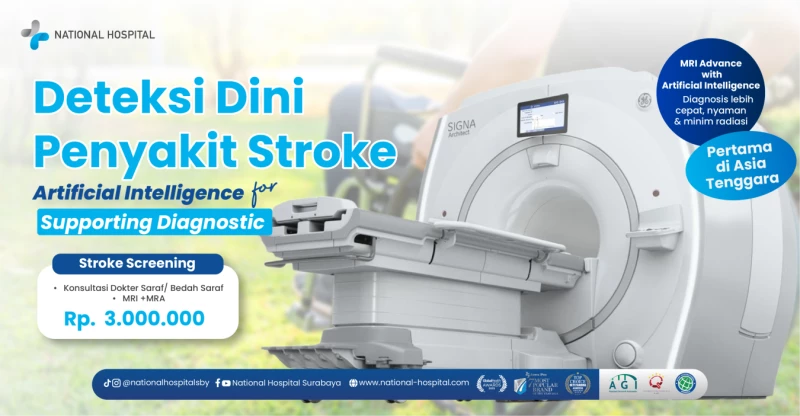
National Hospital is supported by experienced neurologists and neurosurgeons who manage a wide range of neurological conditions, including pediatric stroke. With advanced diagnostic technology and modern medical equipment, the medical team can provide accurate diagnoses and determine the most appropriate treatment for each patient's condition.
If your child shows signs of stroke or has certain risk factors, do not delay consulting a doctor. Prompt treatment can help reduce the risk of complications and improve your child's quality of life in the future.






 info@national-hospital.com
 Suggestion
 Login
Login.png)