Dry diabetes, or type 1 diabetes, often goes unnoticed in its early stages. However, recognizing the early signs of dry diabetes is crucial to prevent more serious complications.
This condition occurs when the body cannot produce insulin at all, causing blood sugar levels to rise and disrupt bodily functions.
Many people mistake fatigue, frequent thirst, or weight loss as ordinary symptoms, when in fact they can be early warning signs of dry diabetes that require immediate medical attention.
Unusual thirst, even after drinking enough water, is one of the most common signs of dry diabetes. This is due to increased urination, which causes the body to lose a lot of fluids.
On the other hand, the body also feels constantly hungry because the glucose in the blood cannot be effectively used as a source of energy. The brain then sends hunger signals even after you've eaten.
If you experience significant weight loss without changes in diet or physical activity, be cautious. In dry diabetes, the body is unable to use glucose as fuel.
As a result, it starts breaking down fat and muscle stores to produce energy, leading to drastic weight loss in a short period.
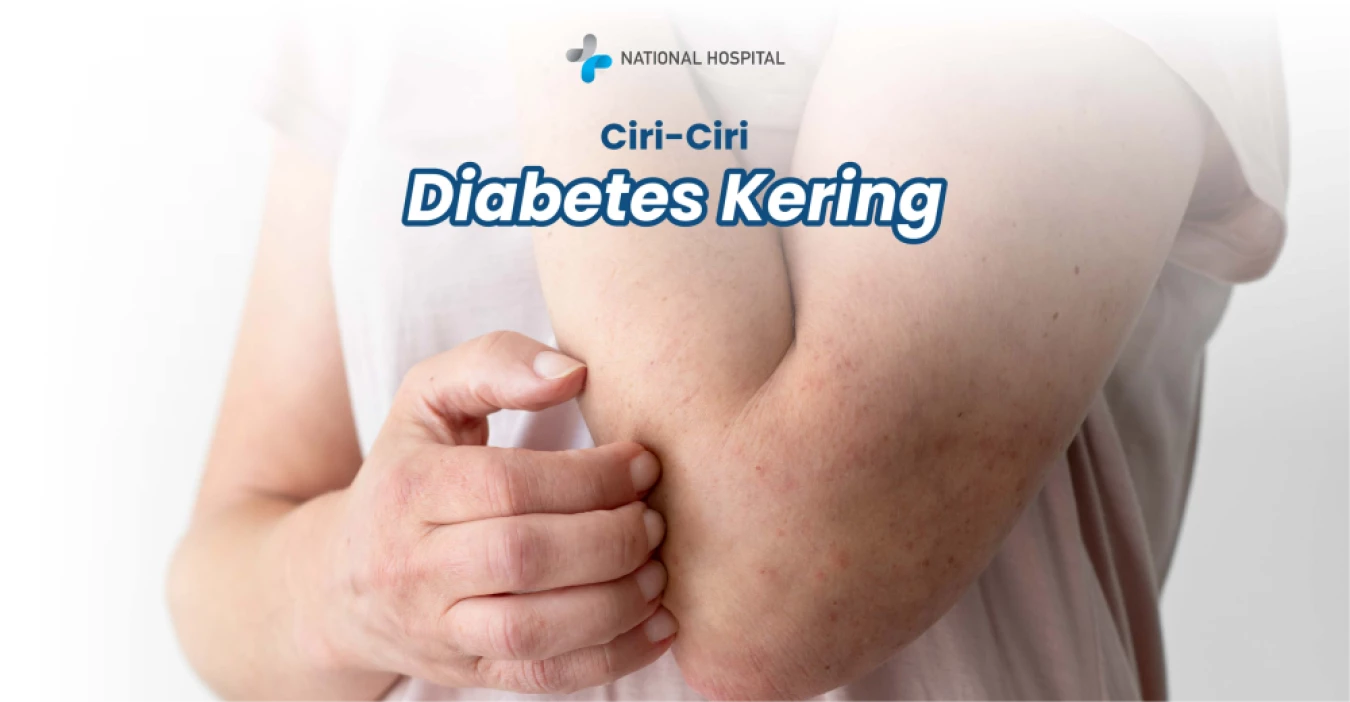
Dehydration from frequent urination can cause the skin to lose its natural moisture.
This can make the skin feel dry, rough, or even itchy, especially in areas like the hands, feet, or skin folds. Additionally, people with dry diabetes often experience dry mouth due to lack of fluids.
Excessive fatigue is a symptom that’s often overlooked. In dry diabetes, glucose – which should be the body’s main energy source – cannot enter the cells.
As a result, the body lacks energy even with adequate food intake, making you feel tired even without strenuous activity.
High blood sugar levels make the kidneys work harder to remove excess sugar through urine. This leads to increased urination frequency, including at night (a condition called nocturia).
This not only disrupts sleep but also worsens dehydration and increases thirst.
Recognizing the signs of dry diabetes early provides the opportunity to receive proper medical treatment before complications occur.
Without proper management, dry diabetes can cause damage to the nerves, kidneys, eyes, and other vital organs. Regular blood sugar checks, especially for those with a family history of diabetes, are a wise preventive measure.
If you notice any of the symptoms above, consult a healthcare professional immediately. Early treatment can help maintain your quality of life and prevent potentially serious consequences.
Dry diabetes shows distinct symptoms such as excessive thirst and hunger, unexplained weight loss, dry and itchy skin, fatigue, and frequent nighttime urination. These symptoms are often dismissed, but they can be early warning signs of a serious health issue.
For Allianz health insurance policyholders, examinations and treatment for dry diabetes can be accessed at Allianz partner hospitals such as National Hospital (NH). As an official partner, NH provides medical services that simplify the claim process in accordance with your policy, allowing you to receive optimal care supported by Allianz’s healthcare network. Recognizing and understanding the symptoms of dry diabetes is an essential first step in maintaining your health.
If you start experiencing these symptoms, don’t delay getting checked at a trusted healthcare facility like NH so that treatment can begin as early as possible.






 info@national-hospital.com
 Suggestion
 Login
Login