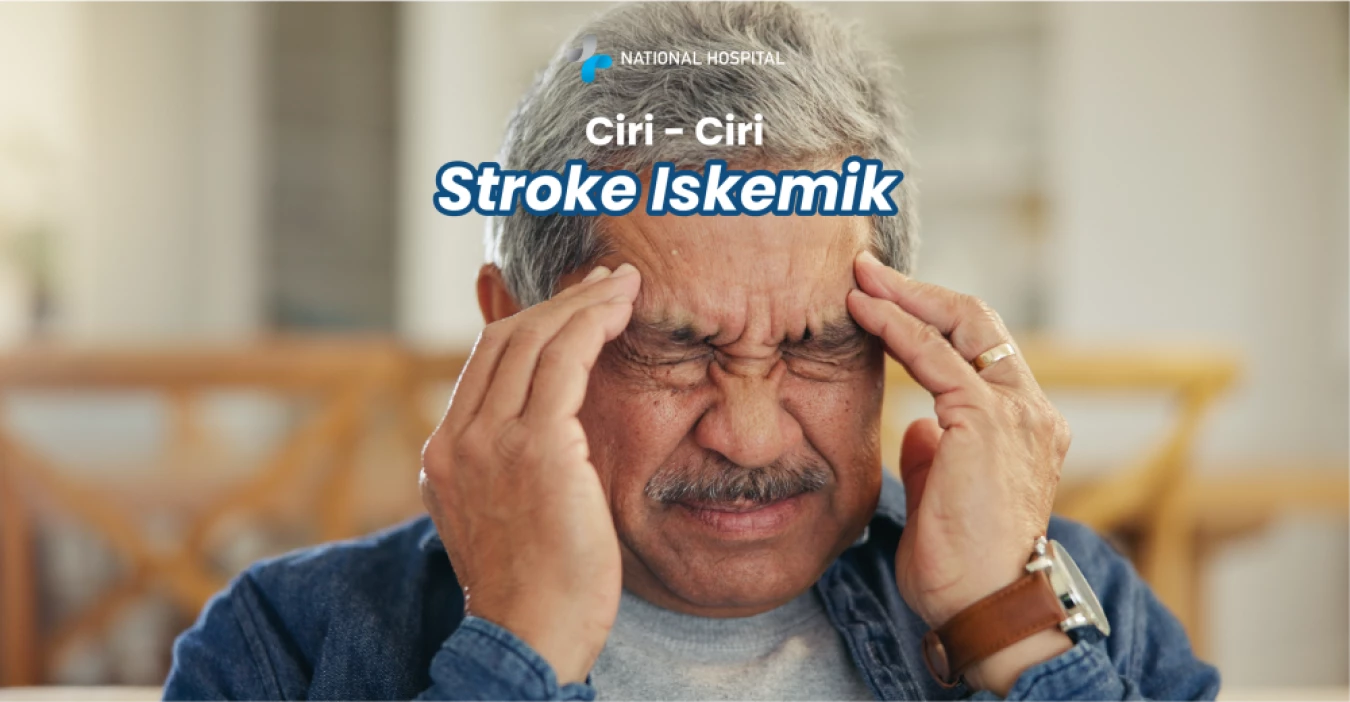
Stroke Is a Medical Emergency: Recognizing the Signs of Ischemic Stroke
Stroke is a medical emergency that occurs when the blood supply to the brain is disrupted. One of the most common types is ischemic stroke.
Recognizing the signs of ischemic stroke early is very important because rapid treatment can save brain function and the patient’s life. This article discusses the condition and the warning signs you should watch for.
Ischemic stroke is a type of stroke caused by a blockage in the blood vessels that carry blood to the brain. This blockage is most commonly a blood clot or fatty plaque. When the brain does not receive enough oxygen and nutrients from the blood, brain cells begin to die.
Because of this, ischemic stroke is often referred to as a “brain attack.” The faster the blockage is removed or blood flow is restored, the greater the chance of reducing brain damage.
It is important to remember that ischemic stroke is different from hemorrhagic stroke, which is caused by a ruptured blood vessel in the brain (bleeding). However, rapid action remains critical for both types.
Symptoms of ischemic stroke often appear suddenly. You can use the acronym BE FAST (Balance, Eyes, Face, Arms, Speech, Time) as a quick way to remember and detect the warning signs.
Below are the key symptoms that require immediate medical attention:
This is one of the most obvious signs. If one side of the face—especially the corner of the mouth—appears to droop or the person cannot smile symmetrically, it may indicate a stroke.
Sudden weakness or numbness in the arm, leg, or one side of the body is common. Ask the person to raise both arms. If one arm cannot be lifted or drifts downward, seek medical help immediately.
People with ischemic stroke often have trouble speaking (dysarthria) or finding words (aphasia). Speech may sound slurred, unclear, or nonsensical.
Stroke can affect the brain’s visual centers. Double vision, blurred vision, or sudden vision loss in one or both eyes is a serious warning sign.
Severe dizziness, loss of coordination, or sudden difficulty walking without a clear cause can signal ischemic stroke, especially when accompanied by other symptoms.
Although more commonly associated with hemorrhagic stroke, a sudden, severe headache that is different from previous headaches can also occur in ischemic stroke.
If you or someone nearby experiences any of these warning signs, do not delay going to the emergency department. The faster treatment is given, the greater the chance of recovery. Optimal stroke care usually involves neurologists and rehabilitation specialists.
We recommend considering services at National Hospital, which offers an integrated Stroke and Rehabilitation Center equipped with advanced diagnostic and therapeutic technology, along with expert teams ready to provide rapid treatment and comprehensive rehabilitation after the critical phase.






 info@national-hospital.com
 Suggestion
 Login
Login