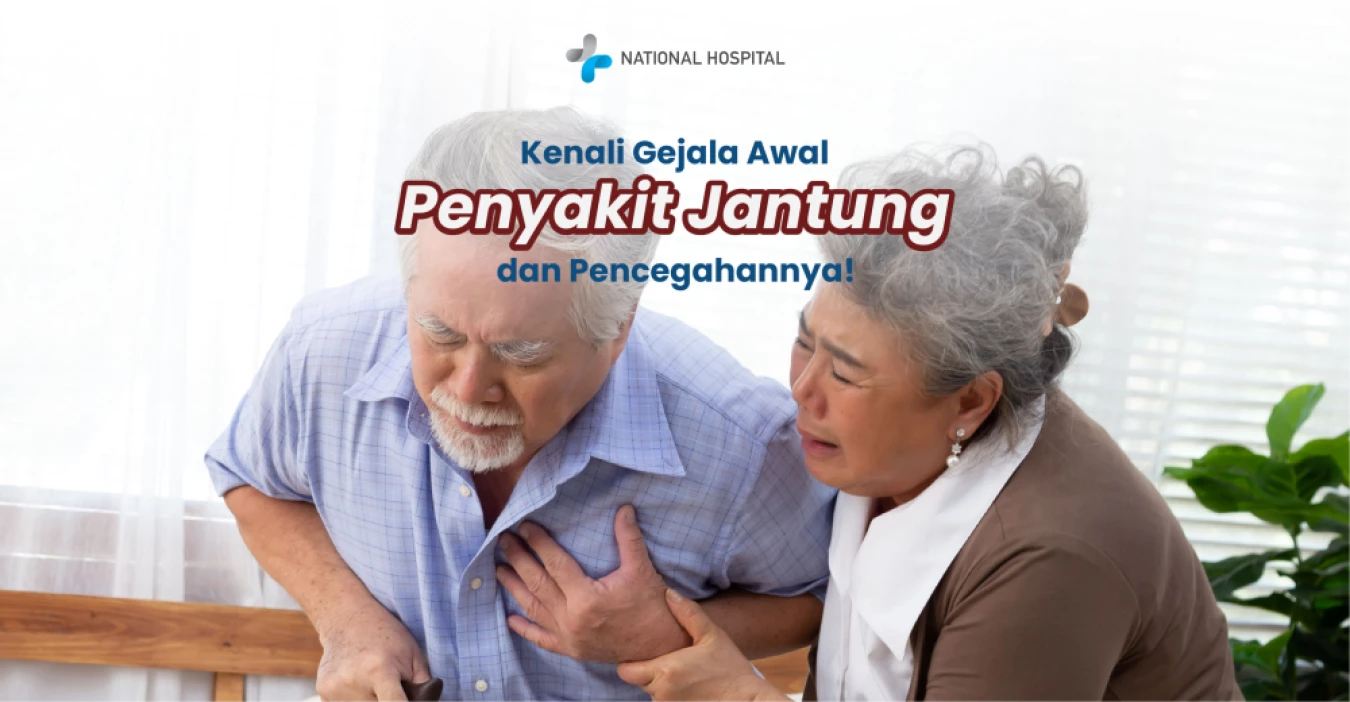
Recognizing the early symptoms of heart disease and taking preventive measures are important steps to protect your health early on. Many people only become aware of heart problems after their condition has worsened, even though early warning signs often appear beforehand.
By understanding your body’s signals and taking simple preventive actions, the risk of serious complications can be significantly reduced. This article will discuss commonly overlooked early signs and effective ways to prevent heart disease—starting now.
Chest pain is an early symptom of heart disease. The sensation can feel like strong pressure, a burning feeling, or as if something heavy is pressing on the chest, typically in the center or left side.
This pain may radiate to the arms, neck, jaw, or back. If chest pain is accompanied by shortness of breath, nausea, or cold sweats, seek medical attention immediately as it could be a sign of a heart attack.
Difficulty breathing even during light activities, such as walking slowly or climbing a few steps, should be taken seriously. This could indicate that the heart is not pumping blood effectively, reducing oxygen supply to the body.
Feeling unusually tired without engaging in strenuous activity can be a signal of heart problems. This fatigue occurs because the body isn't receiving enough blood and oxygen, leading to a rapid depletion of energy.
A heartbeat that is too fast, too slow, or irregular (arrhythmia) can be a sign of an issue with the heart’s electrical system. This condition is sometimes accompanied by dizziness, weakness, or shortness of breath and requires immediate medical evaluation.
Routine checks of blood pressure and cholesterol help detect risk factors for heart disease early.
Knowing your numbers allows you to take appropriate action to prevent complications. If you have a family history of heart disease or suspicious symptoms, it’s advisable to schedule regular visits to a cardiologist for early screening.
Excess weight increases the risk of high blood pressure, high cholesterol, and diabetes—all of which are risk factors for heart disease.
Adopt a healthy diet by reducing intake of saturated fats, salt, and excess sugar. Increase your consumption of vegetables, fruits, whole grains, and lean protein sources to support heart health.
Engaging in at least 30 minutes of physical activity per day—such as brisk walking, cycling, or swimming—helps maintain heart fitness. Exercise aids in weight control, lowers blood pressure, and improves cholesterol levels.
Smoking damages blood vessels and increases the risk of artery blockage, while excessive alcohol consumption can raise blood pressure. Quitting these habits is one of the most effective steps to protect heart health.
Chronic stress and lack of sleep affect blood pressure and heart rate. Make time for relaxation, practice meditation, and ensure 7–8 hours of sleep per night to help the body recover and maintain health.
Recognizing early symptoms of heart disease and preventing it is a long-term investment in your health. Chest pain, shortness of breath, fatigue, and irregular heartbeat are warning signs that should not be ignored.
Prevention can be achieved through regular health screenings, healthy eating habits, exercise, and avoiding risky behaviors.
If you want a comprehensive heart check-up, National Hospital Surabaya provides specialist cardiologists, complete examination facilities, and consultations to help you take care of your heart health from an early stage.
Don’t wait for symptoms to get worse—take preventive action now for a healthier future.






 info@national-hospital.com
 Suggestion
 Login
Login