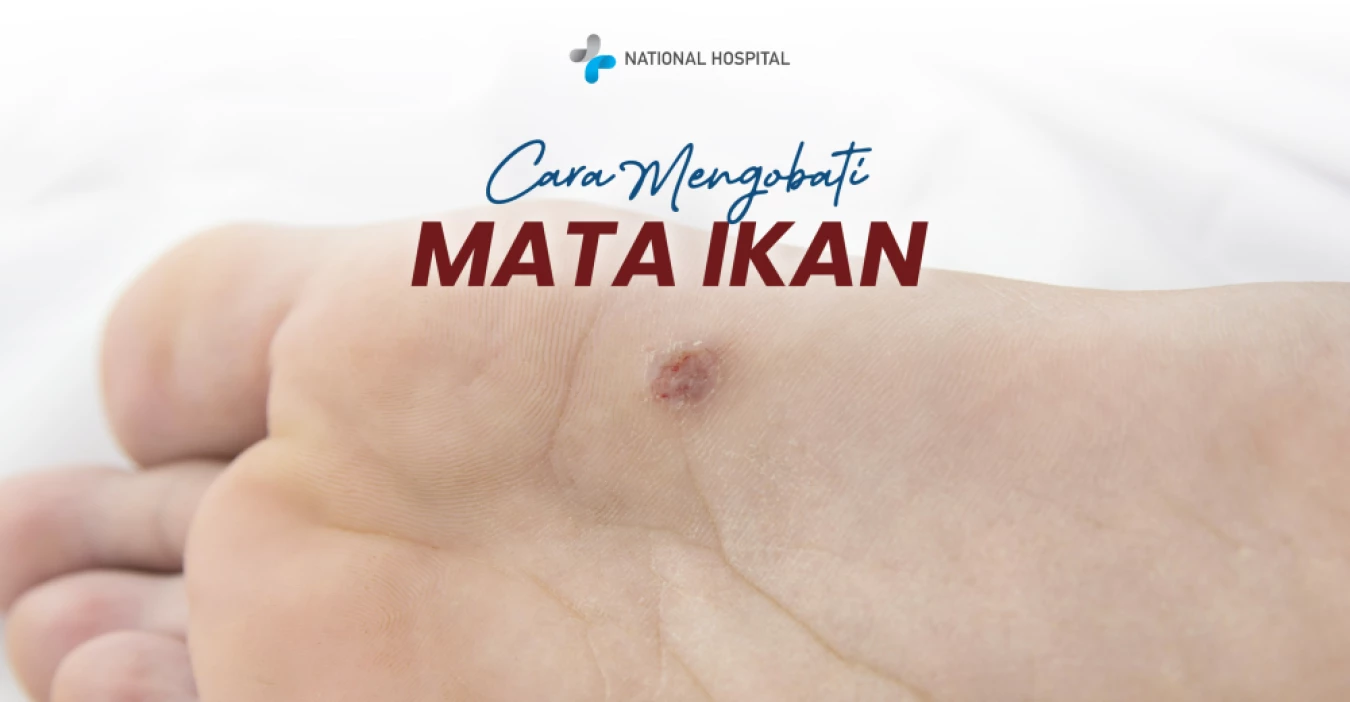
A corn (medically known as clavus) is a small, round thickening of the skin that occurs due to repeated pressure or friction. Corns most often appear on the feet, especially on areas that frequently bear pressure, such as the soles or toes. Corns are not dangerous or cancerous, but they can be quite bothersome because of the pain they cause, especially when walking. While usually not a sign of a serious medical condition, they can indicate ill-fitting shoes or habits like standing for long periods.
Treatment can begin with topical salicylic acid, available at pharmacies. Salicylic acid works by softening dead skin. You can also soak your feet in warm water to help soften the area before exfoliating. After soaking, use a pumice stone or skin file to gently reduce the thickened skin.
Another option is to use medicated corn plasters, which contain treatment and also protect the affected area. Treating a corn also means addressing the root cause—such as stopping the use of tight or uncomfortable shoes. In more severe cases, minor surgery, cryotherapy (freezing), or laser treatment may be recommended by a dermatologist or podiatrist.
Signs: Small bump, not very painful, no inflammation.
Treatment steps:
Signs: Pain when pressed, skin is thicker and more raised.
Treatment steps:
Signs: Intense pain, difficulty walking, redness, bleeding, or signs of infection.
Medical treatment steps:
If corns recur frequently, minor surgery may be necessary.
Important Note: If you have diabetes, poor circulation, or neuropathy, do not attempt self-treatment, as the risk of serious infection is high. Always consult a doctor for safe and effective treatment.
Always maintain foot hygiene and choose proper footwear. Replace tight or poorly fitting shoes with well-fitting, roomy ones to avoid future pressure and friction.






 info@national-hospital.com
 Suggestion
 Login
Login