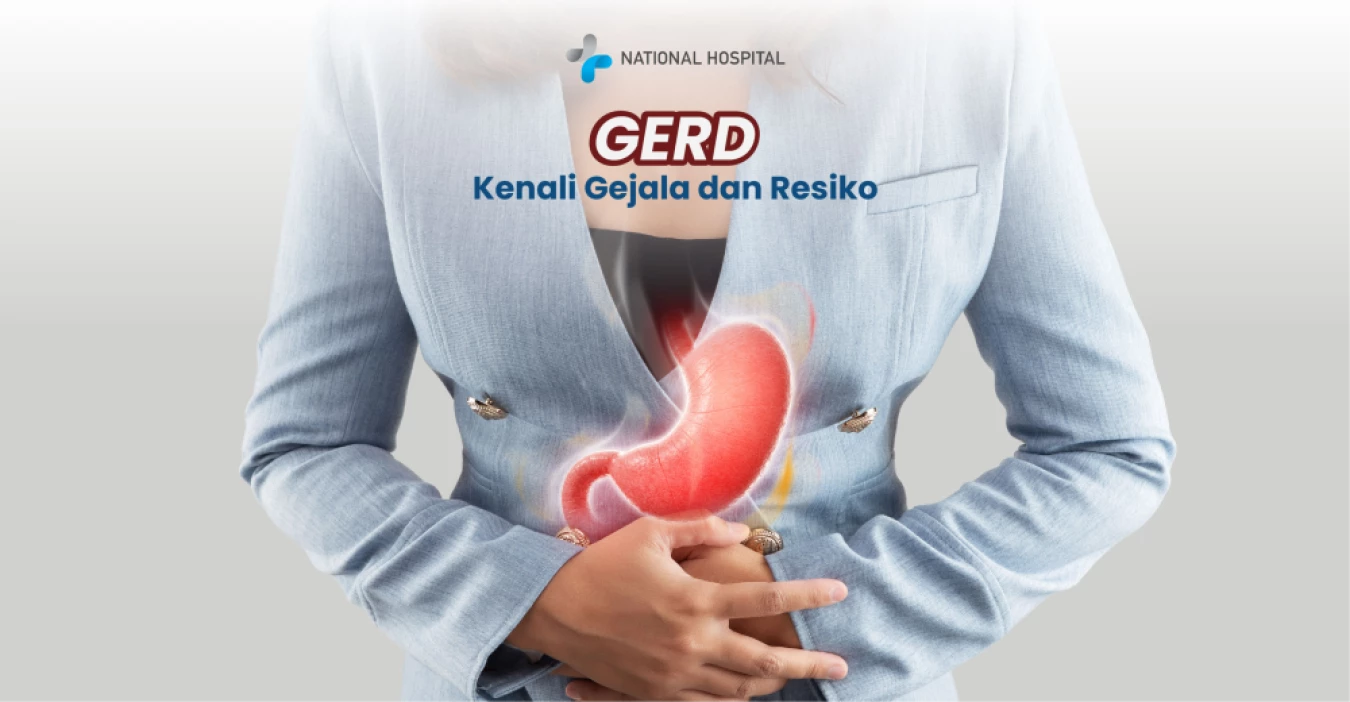
Many people still wonder: what is GERD, and how can it be distinguished from other digestive disorders like gastritis (maag)?
GERD, or Gastroesophageal Reflux Disease, is a chronic medical condition caused by the repeated backflow of stomach acid into the esophagus.
The symptoms can be very disruptive, ranging from a burning sensation in the chest (heartburn), nausea, to a bitter taste in the mouth. If left untreated, GERD can lead to serious complications.
This article will provide a comprehensive review of GERD—from its definition and how it occurs, to how it differs from gastritis, and who is at risk of developing it.
GERD is a chronic disorder of the digestive system that occurs when stomach acid persistently flows back into the esophagus. This is usually caused by a weakening of the lower esophageal sphincter (LES)—a muscle that should tightly close after food enters the stomach.
As a result, stomach acid can return to the esophagus, causing irritation or inflammation. Common symptoms experienced by sufferers include heartburn, a bitter taste in the mouth, upper abdominal pain, and difficulty swallowing.
Under normal conditions, the LES muscle only opens when a person swallows food and then closes again to prevent stomach contents from rising back up. However, in people with GERD, this muscle weakens or does not close properly.
This allows stomach acid to reflux back into the esophagus. If this continues over time, the reflux can damage the lining of the esophagus and lead to long-term complications.
Several factors can worsen this condition, including:
Although their symptoms can sometimes seem similar, GERD and gastritis have different causes and affect different areas.
GERD is caused by a weakened LES that allows stomach acid to rise into the esophagus.
Meanwhile, gastritis (maag) is caused by inflammation in the stomach lining. The main symptom of GERD is heartburn and chest pain, while gastritis is typically marked by upper abdominal pain, nausea, and bloating.
The complications also differ: GERD may lead to esophagitis, esophageal strictures, or Barrett’s esophagus, which increases the risk of esophageal cancer. Gastritis can lead to stomach ulcers or Helicobacter pylori infection.
Certain groups are more likely to experience GERD, including:
If lifestyle changes and medications don't effectively manage GERD, don’t hesitate to consult an internal medicine specialist. These doctors are well-equipped to treat gastrointestinal disorders comprehensively.
Treatment may include strengthening the LES or addressing complications like strictures or Barrett’s esophagus.
Consulting a specialist is strongly advised if GERD symptoms are severe, persistent, or accompanied by serious complaints such as vomiting blood, difficulty swallowing, or unexplained weight loss.
As a hospital with top specialist services, National Hospital is ready to assist those who understand what GERD is and are seeking comprehensive treatment, including consultations with experienced internal medicine doctors.
Do not ignore GERD symptoms—seek medical attention promptly to prevent more serious complications.






 info@national-hospital.com
 Suggestion
 Login
Login