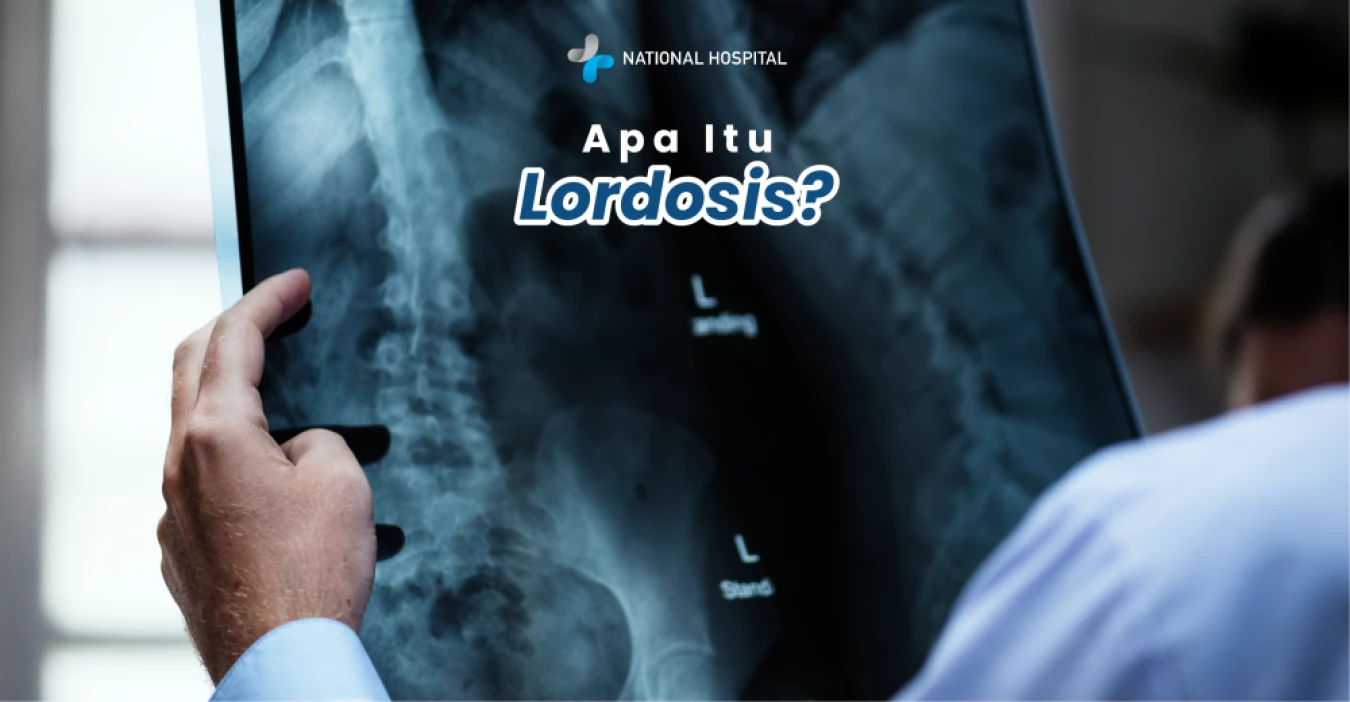
Have you ever noticed someone’s lower back curving excessively inward? This condition is known as lordosis.
If not properly treated, lordosis can cause discomfort and interfere with daily activities. This condition is a spinal disorder in which the normal curve of the lower back (lumbar spine) or neck becomes exaggerated.
This overly deep spinal curve—often referred to as swayback—can make the abdomen appear to protrude forward while the buttocks seem to stick out backward.
Lordosis is a spinal condition characterized by an abnormal and excessive inward curvature of the spine. Normally, the spine has natural curves in the neck, upper back, and lower back.
These curves help balance the head over the pelvis and allow the body to move flexibly. However, in people with lordosis, the curve becomes too extreme, placing pressure on the vertebrae and potentially causing pain.
The causes of lordosis vary and are often a combination of several factors.
Improper posture while sitting, standing, or lifting heavy objects can place excessive stress on the spine. Over time, these habits can trigger changes in spinal curvature.
Excess body weight—especially around the abdomen—pulls the lower spine forward. This additional load forces the spine to curve more deeply to maintain balance, increasing the risk of spinal abnormalities.
Injuries from strong impacts, falls, or accidents that result in spinal fractures can permanently alter the structure and curvature of the spine.
Several medical conditions, such as osteoporosis (bone loss), spondylolisthesis (slippage of vertebrae), and muscular dystrophy, can also contribute to the development of lordosis.
Recognizing symptoms early is important for timely and appropriate treatment.
The most obvious sign is an excessive curve in the lower back. When lying flat on your back, there may be a noticeable gap between the lower back and the surface.
Excessive pressure on the spine due to abnormal curvature can cause back pain, especially in the lower back, along with stiffness. The pain can range from mild to severe.
In severe cases, lordosis can affect spinal nerves, leading to difficulty moving, numbness, tingling sensations, and even problems controlling bladder function.
Treatment for lordosis depends on its severity and underlying cause.
For mild cases, physical therapy and regular exercise are key. Exercises that focus on strengthening the abdominal, back, and hip muscles can help support the spine and improve posture.
In children or adolescents who are still growing, doctors may recommend wearing a brace to help correct spinal curvature.
Doctors may prescribe pain-relief medication if the discomfort interferes with daily activities. Rehabilitation programs are also designed to restore muscle strength and movement function.
Surgery is usually the last option and is only considered if the spinal curvature is very severe, causes serious nerve symptoms, or does not improve with non-surgical treatment.
If you already understand what lordosis is and notice concerning symptoms in yourself or a loved one that require further treatment, it is very important to consult a specialist.
We recommend consulting with a Spine Orthopedic Specialist at National Hospital Surabaya.
With advanced technology and an experienced medical team, National Hospital is ready to provide the best diagnosis and treatment plan for your spinal health.






 info@national-hospital.com
 Suggestion
 Login
Login