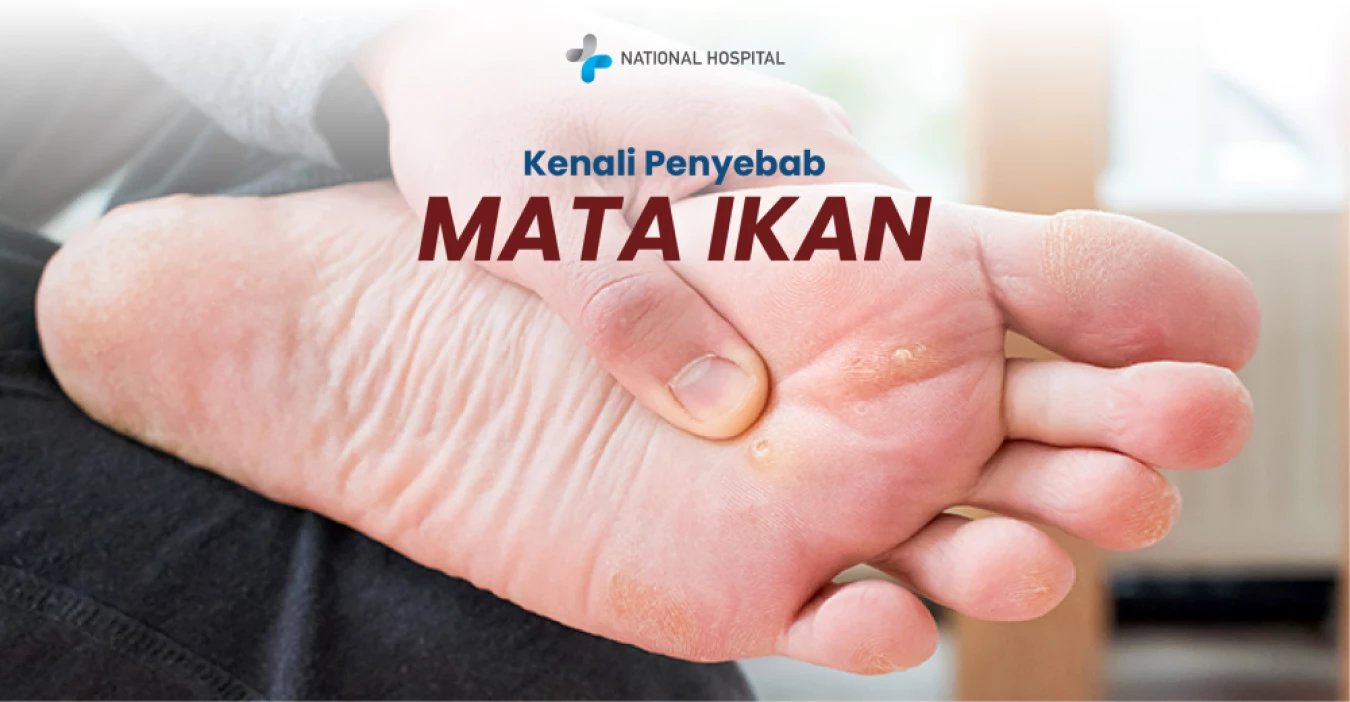
Corns, or clavus in medical terms, are a condition characterized by thickened, hardened skin that becomes painful. Corns usually appear as small circular spots with a hard center. They commonly develop on the feet, especially in areas that experience repeated pressure or friction—such as toes or the soles. Dry or poorly moisturized skin can also contribute to corn formation.
Corns differ from calluses. Corns are smaller, have a hard central core, and are typically more painful. In contrast, calluses are broader and usually less painful.
If the corn becomes very painful or doesn’t heal with home treatment, consult a doctor for further care. Corns can heal, but the recovery depends on several factors:
Mild: Can be treated at home with salicylic acid patches, proper foot care, and by avoiding pressure.
Severe or chronic: May require medical procedures such as surgical removal, prescription topical treatments, or laser/cryotherapy.
If the root cause (e.g., shoe pressure/friction) isn’t addressed, the corn may return even after treatment.
People with diabetes or poor circulation may heal more slowly and face greater risk of complications.
Conclusion:
Corns are treatable, especially when caught early and the underlying causes are addressed. However, without proper care or if left untreated for too long, they can become painful and harder to eliminate.






 info@national-hospital.com
 Suggestion
 Login
Login