According to the Cleveland Clinic, cardiac ablation, also known as catheter ablation, is a procedure used to treat heart rhythm disorders by creating small, controlled lesions in heart tissue that is responsible for or forms part of an abnormal electrical pathway. Simply put, the heart has an electrical system that regulates when the heart muscle contracts and pumps blood.
In arrhythmias, electrical signals may travel too quickly, too slowly, or through abnormal pathways. Cardiologists, particularly those specializing in electrophysiology, can use catheters to map the heart’s electrical activity. Once the source of the arrhythmia has been identified, the targeted area can be treated using specific forms of energy.
Two commonly used energy sources are:
The technique used will depend on the type of arrhythmia, the location of the targeted tissue, and each patient’s individual condition.
Cardiac ablation is performed to control certain heart rhythm disorders. The goals may vary and include reducing the frequency and duration of arrhythmia episodes, relieving symptoms, improving quality of life, or, in certain cases, helping improve heart function.
Ablation can be used to treat various types of arrhythmias, including certain types of supraventricular tachycardia (SVT), atrial flutter, atrial fibrillation (AF), and ventricular tachycardia in selected patients. For atrial fibrillation, one of the primary targets of catheter ablation is pulmonary vein isolation (PVI).
This approach aims to isolate abnormal electrical triggers originating from the area around the pulmonary veins, preventing these signals from triggering or sustaining atrial fibrillation. International guidelines and consensus statements recognize PVI as the cornerstone of catheter ablation for atrial fibrillation.
In general, cardiac ablation is performed in an electrophysiology laboratory using specialized catheters. The procedure may involve the following steps:
Before the procedure, the doctor will evaluate the patient’s overall health and determine the type of arrhythmia. Tests may include an electrocardiogram (ECG), echocardiogram, blood tests, heart rhythm monitoring, or specific imaging studies as needed.
The doctor will also provide instructions regarding which medications should be continued or temporarily stopped before the procedure. For patients taking blood thinners, medication adjustments must be made according to the doctor’s instructions and should never be done independently.
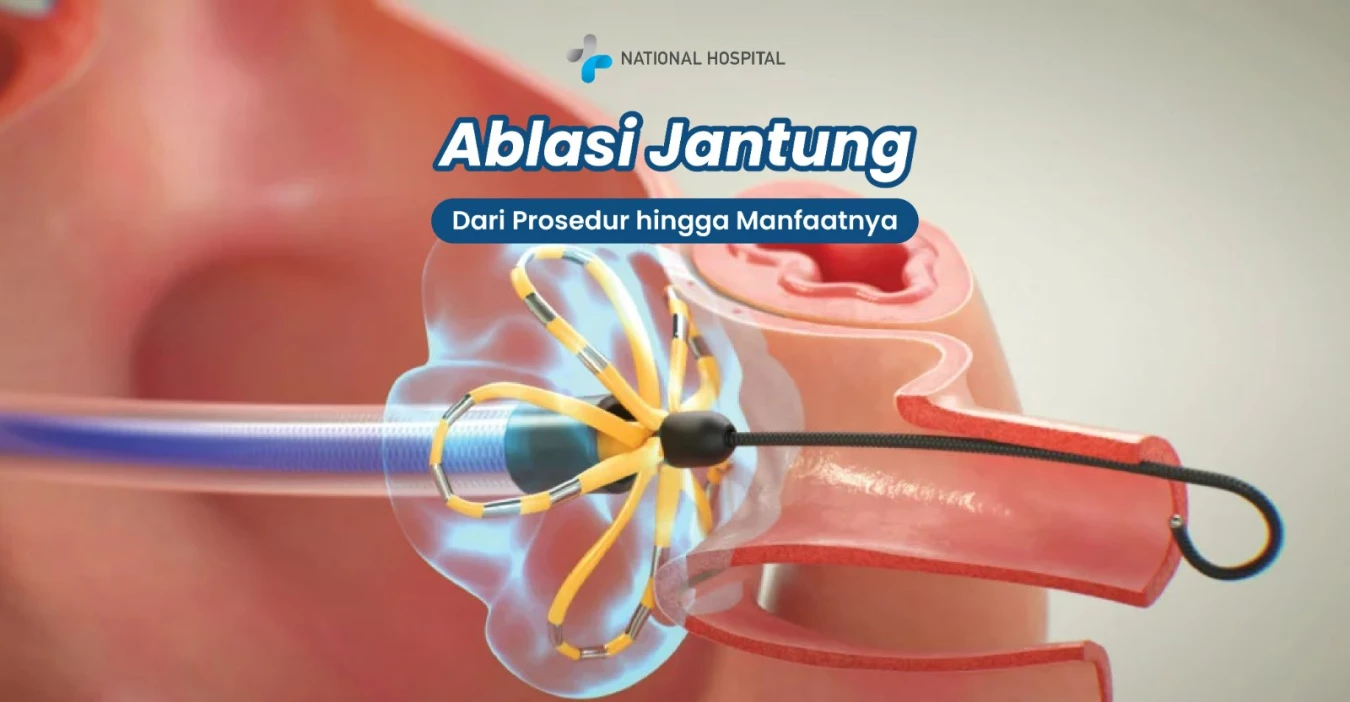
After the patient receives anesthesia or sedation, as appropriate, the doctor inserts a catheter through a blood vessel, usually in the groin area. The catheter is then guided toward the heart with the assistance of imaging and specialized mapping systems.
The doctor evaluates the heart’s electrical activity to identify the location or pathway responsible for the abnormal rhythm. For certain types of arrhythmias, the doctor may deliberately induce the arrhythmia in a controlled manner during the procedure to help confirm its mechanism and identify its source.
Once the target area has been identified, the doctor delivers energy to the tissue using radiofrequency energy or, in selected cases, cryoablation. The goal is to disrupt the tissue involved in the abnormal electrical pathway, allowing the heart rhythm to become more regular.
Following ablation, the doctor reassesses the heart’s electrical activity to determine whether the treatment objectives have been achieved and whether the arrhythmia can still be induced. The duration of the procedure varies depending on the type of arrhythmia, the technique used, the heart’s anatomy, and the complexity of the procedure.
The benefits of ablation depend on the type of arrhythmia and the patient’s condition. In general, the goals of the procedure may include:
In patients with atrial fibrillation, various clinical trials have shown that ablation can reduce the burden of arrhythmia and improve symptoms in appropriately selected patients. In certain patients with atrial fibrillation and reduced cardiac pumping function associated with the arrhythmia, ablation also plays an important role in the overall management strategy.







 info@national-hospital.com
 Suggestion
 Login
Login