Tubal ligation is a permanent method of contraception intended to prevent pregnancy by closing, cutting, or otherwise treating the fallopian tubes so that sperm and egg cannot meet. This procedure does not involve removing the uterus. The ovaries remain in the body and continue to function normally.
In medical practice, the more accurate terms are tubal sterilization or permanent contraception, rather than "uterine ligation" or "tying the uterus." The American College of Obstetricians and Gynecologists (ACOG) uses the term permanent contraception because the procedure is intended to permanently prevent future pregnancy.
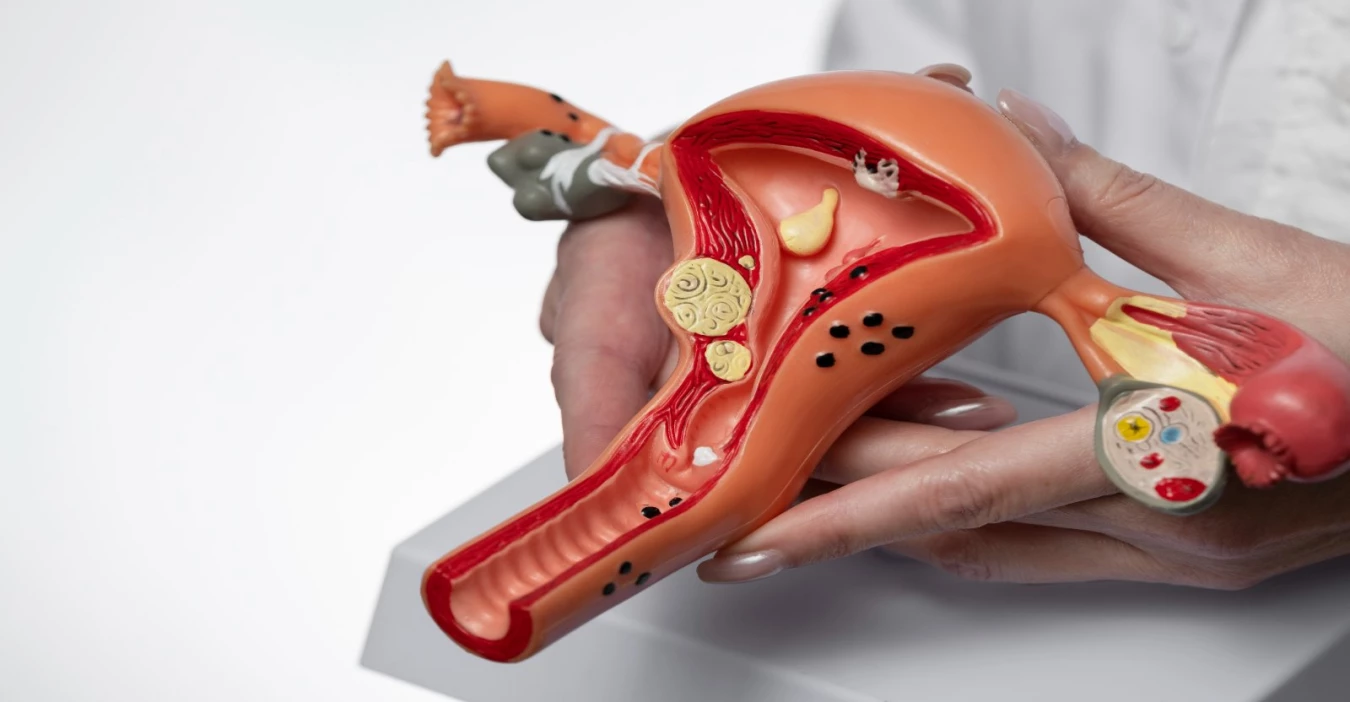
In simple terms, tubal ligation works by blocking the fallopian tubes, which are the passageways through which sperm and egg can meet. Once the fallopian tubes have been closed or treated using a specific method, sperm cannot reach the egg. As a result, the likelihood of fertilization becomes very low.
Tubal ligation does not involve removing the uterus and is not the same as ovary removal or a hysterectomy. Following tubal ligation, the uterus remains in the body, and the ovaries can still produce hormones and release eggs. Therefore, tubal ligation does not directly cause menopause. Menopause occurs when ovarian function naturally declines and eventually ceases, not because the fallopian tubes have been blocked.
Tubal ligation is one of the highly effective methods of contraception. According to the CDC's 2024 recommendations, approximately 0.5 out of every 100 people who undergo tubal surgery or tubal ligation may become pregnant within the first year of typical use.
Although highly effective, tubal ligation cannot guarantee a 100% certainty that pregnancy will never occur. Its effectiveness may vary depending on the sterilization method used. Studies have shown that pregnancy can still occur after tubal ligation, with failure rates varying according to the technique performed.
The American College of Obstetricians and Gynecologists (ACOG) also explains that permanent contraception is an effective method, but patients should understand the possibility of failure and the risk of ectopic pregnancy if pregnancy occurs after sterilization.
Tubal ligation, or tubal sterilization, should be considered a permanent method of contraception. Although tubal reversal surgery may be possible in certain circumstances, the procedure is not always feasible and does not guarantee that a person will be able to become pregnant again. Its success may depend on the original sterilization technique and the condition of the fallopian tubes and other reproductive organs.
For some patients who wish to become pregnant after sterilization, assisted reproductive technologies, such as in vitro fertilization (IVF), may be an option. Therefore, before undergoing tubal ligation, patients should understand the permanent nature of the procedure, consider other contraceptive options that can be discontinued or reversed, and discuss their choices with a doctor through a shared decision-making process.
Tubal ligation may be considered by individuals who:
There is no single age or number of children that should serve as the sole medical basis for determining whether someone can or cannot undergo permanent contraception. What matters is that the decision is voluntary, informed, and based on adequate information. ACOG emphasizes the importance of *shared decision-making*, a process in which patients and healthcare professionals make decisions together.
In addition to closing or cutting the fallopian tubes, another procedure called salpingectomy involves the surgical removal of the fallopian tubes. Salpingectomy can be used as a method of permanent contraception. In certain situations, removal of the fallopian tubes may also be considered because research suggests that it may reduce the risk of certain types of ovarian cancer.
ACOG states that salpingectomy as a method of sterilization appears to be safe and has not been associated with a significant increase in several complications compared with tubal ligation. However, the choice between tubal ligation and salpingectomy should be discussed with a doctor based on each patient's medical condition and individual needs.
It is important to understand that salpingectomy does not eliminate the risk of ovarian cancer entirely, as not all ovarian cancers originate in the fallopian tubes.






 info@national-hospital.com
 Suggestion
 Login
Login


.png)

.png)