A brain tumor is an abnormal growth of cells in the brain or surrounding tissues. Brain tumors can be benign (non-cancerous) or malignant (cancerous). Although benign tumors are not cancerous, their growth can still interfere with brain function if they press against nearby tissues or nerves.
Managing a brain tumor requires a comprehensive examination to determine the tumor’s type, size, location, and characteristics. The National Hospital Neuroscience Center (NHNC) provides consultation and diagnostic services to help patients receive treatment recommendations tailored to their medical condition.
The exact causes of brain tumors are not yet fully understood. However, several factors may increase the risk, including:
Brain tumors can also occur in individuals without any known risk factors.
Symptoms of brain tumors depend on their size, location, and rate of growth. Some symptoms to be aware of include:
These symptoms do not necessarily indicate a brain tumor. A medical examination is needed to determine the underlying cause.
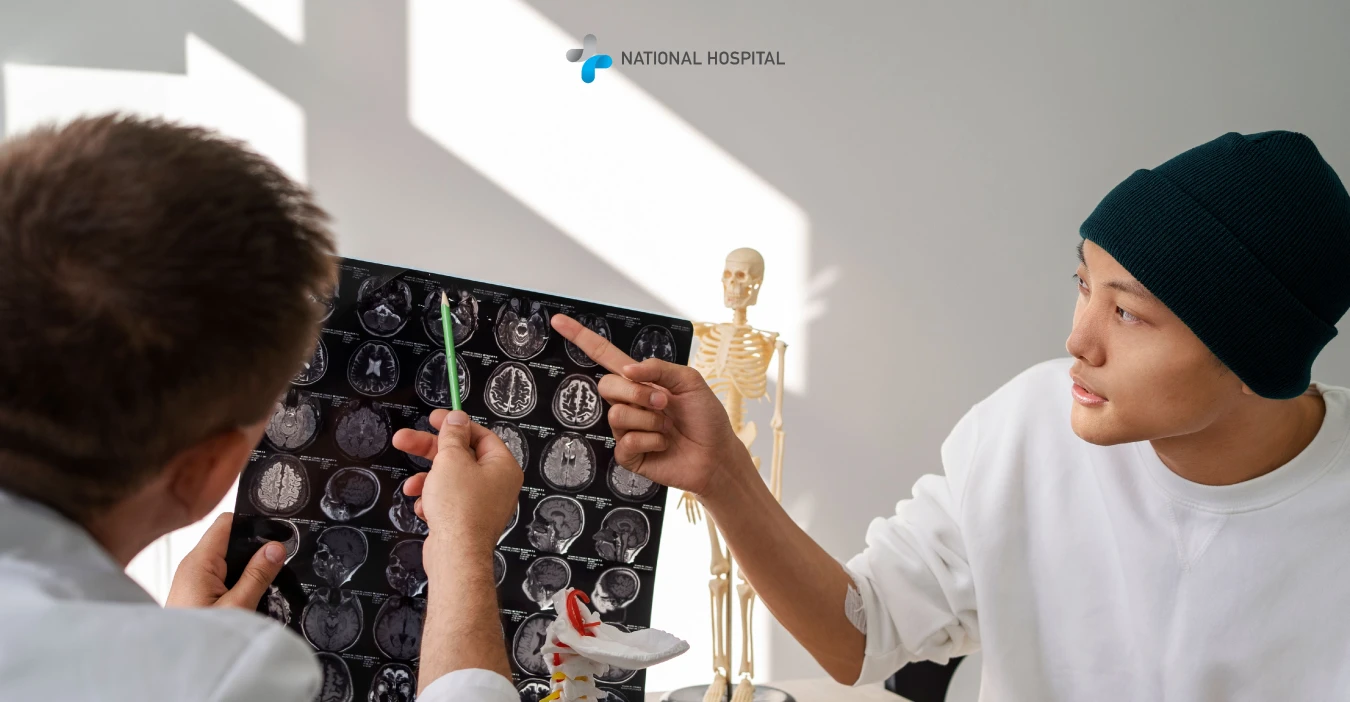
Brain tumors are diagnosed through clinical and supporting examinations, which may include:
The doctor will determine the appropriate examinations based on the patient's condition and medical needs.
Treatment for brain tumors depends on the tumor’s type, size, location, growth rate, and the patient’s overall condition. Treatment options may include:
In certain cases, doctors may recommend a combination of treatment methods.
Brain tumor surgery is performed by a neurosurgeon, taking into account the tumor’s location and characteristics. One commonly used method is a craniotomy, a procedure in which part of the skull is temporarily opened to access the tumor. In general, the procedure involves the following steps:
In certain cases, a minimally invasive approach may be considered if it is appropriate for the tumor’s characteristics and medical indications.
Brain tumor surgery may offer several benefits, including:
However, surgery also carries risks, such as bleeding, infection, brain swelling, seizures, and impaired nerve function. Risks vary from patient to patient and will be assessed by the doctor before the procedure.
Recovery time after brain tumor surgery varies from patient to patient. The length of hospital stay and the time needed to resume daily activities depend on the type of surgery, tumor location, neurological condition, and whether any complications occur.
In certain cases, patients may also require rehabilitation, such as physical therapy, occupational therapy, or speech therapy, to help restore affected functions. During recovery, patients need regular follow-up examinations to monitor their condition and detect any possible tumor recurrence.
National Hospital’s Center of Excellence for Neurosurgery, the National Hospital Neuroscience Center (NHNC), provides consultations for neurological symptoms and examination results, as well as information on brain tumor treatment options. These include minimally invasive surgical approaches when medically appropriate, based on the patient’s condition and the doctor’s evaluation.
If you or a family member experiences symptoms that may indicate a neurological disorder or has been diagnosed with a brain tumor, do not delay seeking medical advice. Appropriate examinations can help determine the most suitable treatment approach for the patient's condition. Schedule a consultation at National Hospital to receive an evaluation and information about brain tumor treatment options tailored to your medical needs.






 info@national-hospital.com
 Suggestion
 Login