Microvascular Decompression (MVD) is a neurosurgical procedure designed to separate blood vessels that compress or come into contact with certain cranial nerves around the brain. Repeated pressure from blood vessels can interfere with nerve function and trigger symptoms, including facial pain and facial muscle twitching.
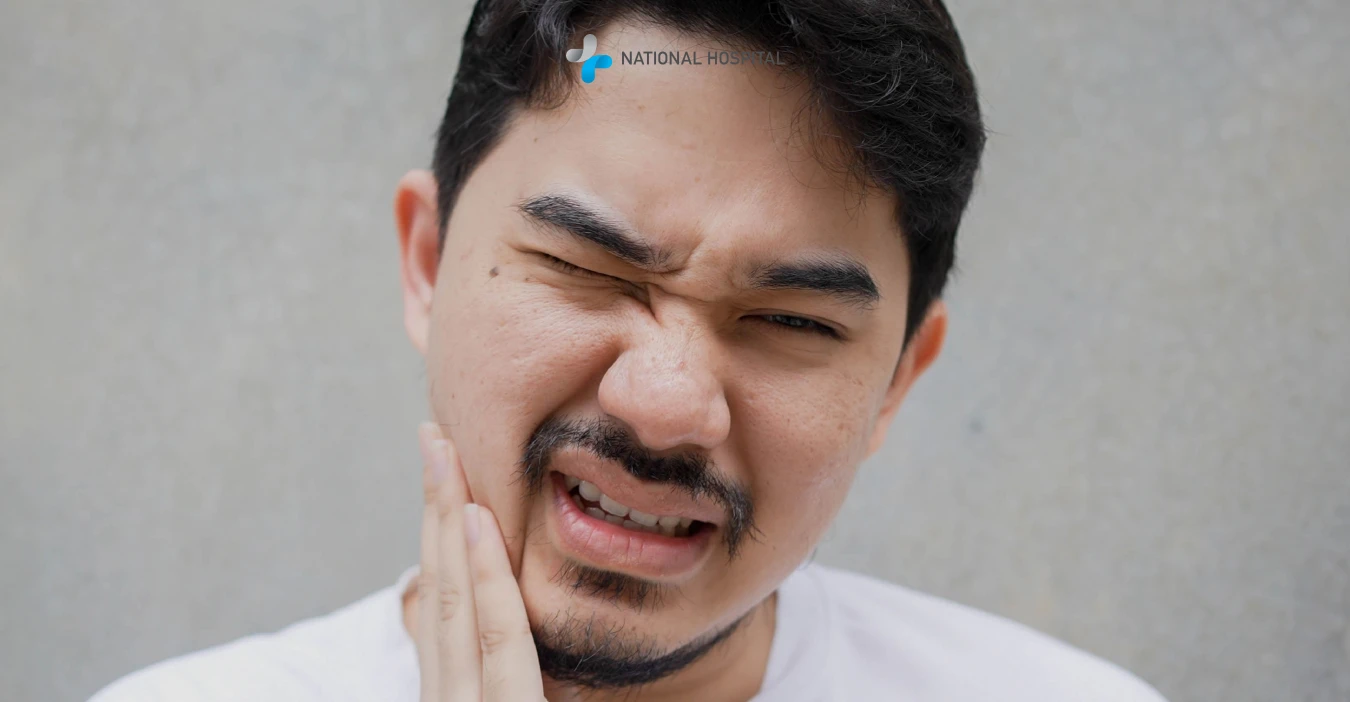
MVD surgery is primarily used to treat trigeminal neuralgia, a nerve disorder that can cause sudden episodes of facial pain often described as electric shock-like sensations. In cases of trigeminal neuralgia, the affected nerve is the trigeminal nerve, which carries sensory information from the face to the brain.
During MVD surgery, the neurosurgeon moves the blood vessel away from the compressed nerve and places a small protective cushion or spacer between them to help prevent the blood vessel from compressing the nerve again. Because the procedure addresses the underlying source of compression without intentionally damaging the nerve, Microvascular Decompression (MVD) is considered one of the surgical procedures with high success rates in appropriately selected patients.
Not all patients with these conditions require MVD surgery. Treatment decisions are based on the patient's symptoms, examination results, evidence of blood vessel compression, overall health condition, and the recommendations of the relevant specialist.
MVD surgery may be considered when nerve pain significantly affects quality of life and medication does not provide adequate relief or causes side effects that are difficult to tolerate. In cases of trigeminal neuralgia, the doctor will also assess whether the patient's symptoms are associated with blood vessel compression of the trigeminal nerve.
Before recommending surgery, the doctor will evaluate the diagnosis and discuss other treatment options, including medication and alternative procedures. MVD is a major surgical procedure, so its potential benefits, risks, and suitability must be assessed individually.
MVD surgery is performed by a neurosurgeon under general anesthesia. The steps may vary depending on the patient's condition and the location of the compressed nerve. However, the procedure generally involves the following stages:
The duration of surgery and length of hospital stay depend on the patient's condition and the medical team's assessment.
For appropriately selected patients, MVD surgery may offer several benefits, including:
Treatment outcomes may vary from patient to patient. Pain may persist or return after surgery, so the results and follow-up care need to be evaluated by the doctor.
After surgery, patients are monitored in the hospital to evaluate their neurological condition, manage postoperative pain, and detect potential complications. The length of hospital stay and recovery time vary from person to person. After being discharged, patients should follow the doctor's instructions regarding wound care, medication use, physical activity, and follow-up appointments.
Strenuous activities usually need to be limited during the initial recovery period, as advised by the doctor. Contact a healthcare professional promptly if new symptoms develop or existing complaints worsen after surgery, such as fever, severe headaches, hearing problems, new weakness, or fluid discharge from the surgical wound. Some patients may experience pain relief immediately, but recovery after surgery still takes time.
However, recurrent facial pain is not always caused by trigeminal neuralgia or blood vessel compression of a nerve. Appropriate examinations are necessary to identify the cause of the symptoms and determine the most suitable treatment. Through consultation with a relevant specialist, patients can discuss their symptoms, examination results, and available treatment options.
National Hospital provides consultation and evaluation services for facial nerve disorders requiring further treatment at its Center of Excellence for Neurosurgery, the National Hospital Neuroscience Center (NHNC). Consult the medical team about facial nerve pain to receive an evaluation and information about treatment options suited to your condition.





 info@national-hospital.com
 Suggestion
 Login