Deep Brain Stimulation (DBS) is a neurosurgical procedure that uses a specialized device to deliver controlled electrical stimulation to specific areas of the brain. This procedure is commonly used to help manage symptoms of Parkinson’s disease and other movement disorders that are not adequately controlled with medication.
DBS involves implanting electrodes in targeted areas of the brain to help modulate neural signaling associated with movement disorders. The DBS system consists of three main components:
The electrical impulses help modulate neural activity, thereby reducing symptoms of movement disorders. DBS does not eliminate the underlying cause of Parkinson’s disease, but it can help manage symptoms and improve patients’ quality of life.
Deep Brain Stimulation may be considered for patients with certain movement disorders, particularly when medication does not provide adequate symptom control. Conditions that may be indications for DBS include:
Not all patients with movement disorders are suitable candidates for DBS. Determining eligibility requires a comprehensive assessment by the medical team.
The DBS procedure requires careful planning and precision because it involves implanting a device in specific areas of the brain. In general, Deep Brain Stimulation involves several stages:
The doctor performs a neurological examination to assess the type of movement disorder, symptom severity, and the patient’s response to previous treatments. Additional examinations, such as brain MRI and other assessments, may be performed to help identify the target stimulation area and determine whether the patient is suitable for the procedure.
The medical team determines the electrode placement based on the patient's condition and brain imaging results. This planning aims to ensure that the electrodes are positioned in the appropriate areas to achieve optimal stimulation.
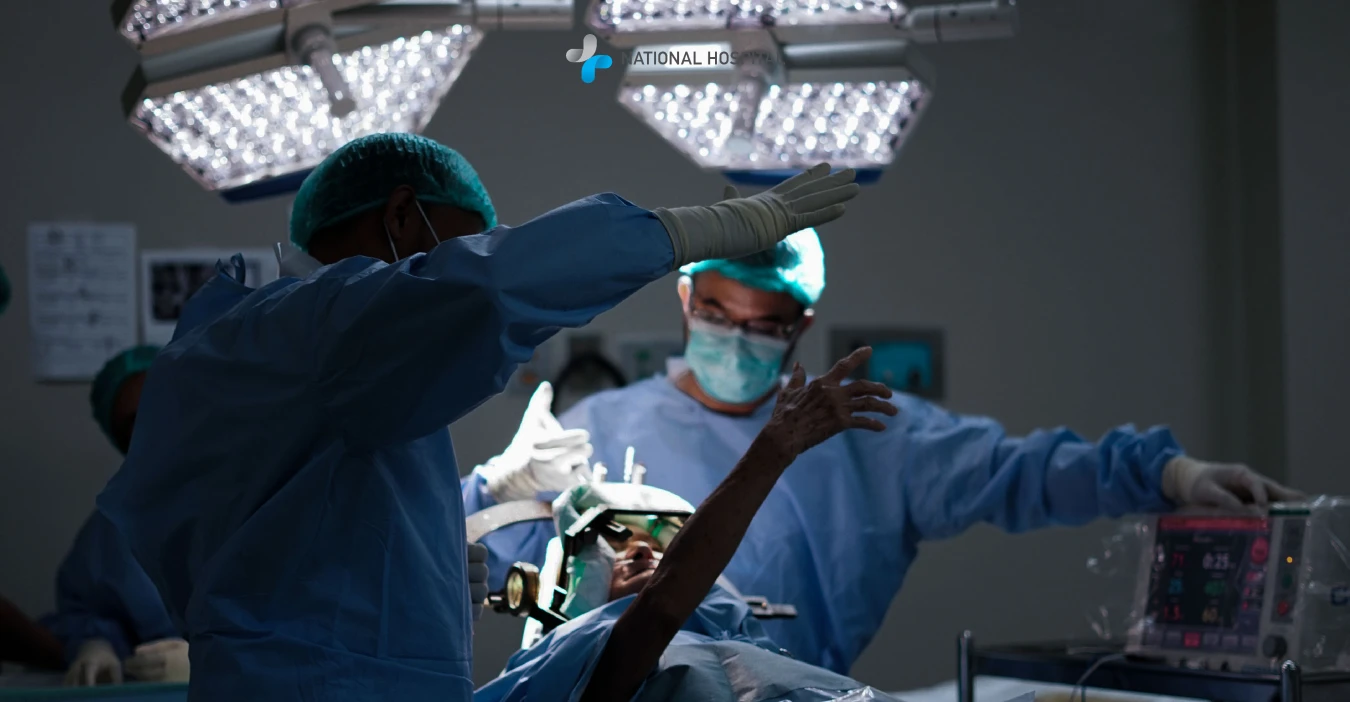
A neurosurgeon places the electrodes in the predetermined areas of the brain. The procedure may be assisted by imaging technology and surgical navigation systems. The type of anesthesia used depends on the surgical technique and the patient's condition.
The electrical pulse generator, or Implantable Pulse Generator (IPG), is implanted under the skin, usually in the chest area. The device is connected to the electrodes through specialized wires that transmit electrical stimulation to the brain.
After implantation, the doctor programs the device to determine the appropriate stimulation parameters. These settings may be adjusted gradually based on the patient's response, changes in symptoms, and potential side effects.
After undergoing DBS, patients receive medical monitoring to evaluate their neurological condition and ensure that the device is functioning properly. Recovery generally involves several stages:
DBS is a long-term therapy that requires regular monitoring and periodic device adjustments.
Deep Brain Stimulation is not a cure for Parkinson’s disease. The procedure aims to help control motor symptoms so that patients can manage their daily activities more comfortably. DBS also does not stop the progression of Parkinson’s disease.
Therefore, patients still require medical monitoring, medication, and ongoing care according to their individual conditions. Treatment outcomes may vary from patient to patient, depending on their neurological condition, type of symptoms, and response to stimulation.
National Hospital provides consultation and evaluation services for patients with Parkinson’s disease and other movement disorders requiring further treatment at its Center of Excellence for Neurosurgery, the National Hospital Neuroscience Center (NHNC).
Through examinations conducted by relevant specialists, patients can receive an evaluation of their neurological condition, response to medication, and potential suitability for Deep Brain Stimulation. DBS may be one of the treatment options for patients who meet the medical indications.
The decision to proceed with treatment is made following a comprehensive assessment to ensure that the procedure is appropriate for the patient's needs and overall health condition. Consult the National Hospital medical team about Parkinson’s disease and movement disorders to learn more about Deep Brain Stimulation treatment options.






 info@national-hospital.com
 Suggestion
 Login