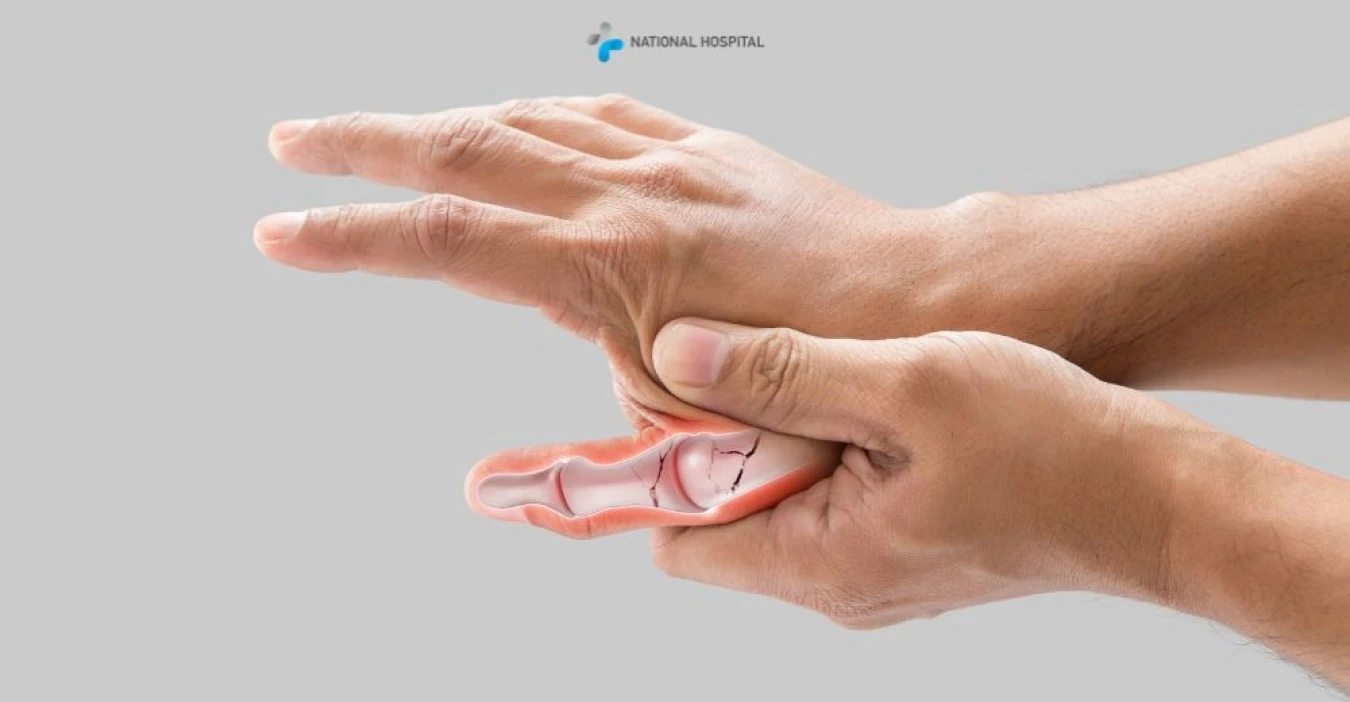
Trigger finger, also known as stenosing flexor tenosynovitis, occurs when the movement of a finger's flexor tendon becomes restricted, usually at the A1 pulley near the base of the finger. Symptoms include pain, clicking sounds or sensations, the finger catching when bending or straightening, and sometimes locking in a bent position. This condition can affect any finger or the thumb.
Trigger finger release is a surgical procedure that releases the A1 pulley, allowing the tendon to glide more smoothly. Not all cases require surgery; treatment options depend on symptom severity, duration, the patient's needs, and response to previous treatments.
The goal of surgery is to eliminate restrictions on tendon movement, relieve trigger finger symptoms, and help patients use their hands more comfortably again. Potential risks include infection, pain or sensitivity around the surgical scar, finger stiffness, nerve injury, and persistent or recurrent symptoms, although these are uncommon.
Active finger movement is generally encouraged soon after the procedure, following the doctor's instructions, to help prevent stiffness. The wound should be cared for as instructed, while activities involving strong gripping or heavy lifting may need to be temporarily restricted. Stitches are generally assessed or removed after approximately 10–14 days. Hand therapy may be necessary if stiffness or persistent functional limitations occur. Routine sling use is generally not required.
If your finger feels stuck, painful, or difficult to straighten, consult an orthopedic specialist at National Hospital to determine the most appropriate treatment option.
Referensi
NHS. Trigger finger.
Gateshead Health NHS Foundation Trust. Trigger Finger/Thumb Release Surgery.






 info@national-hospital.com
 Suggestion
 Login