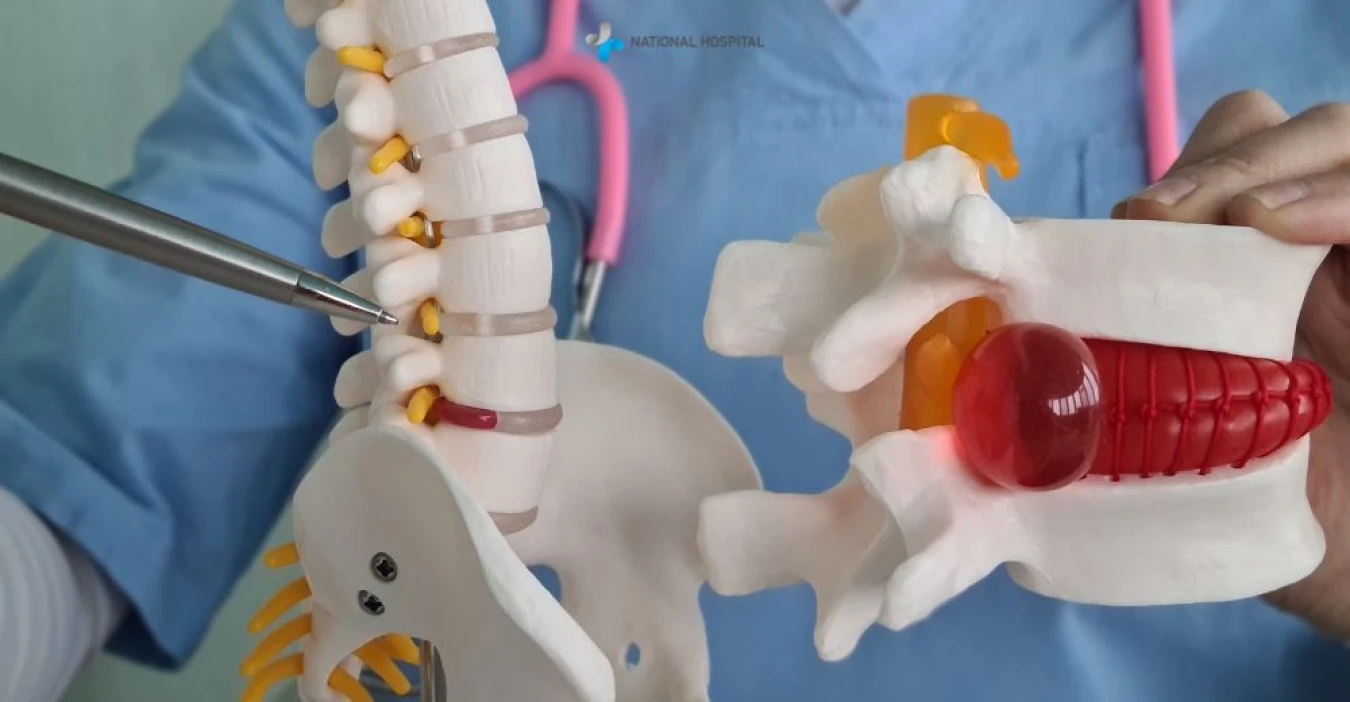
The cervical spine consists of seven vertebrae connected by intervertebral discs. These discs act as shock absorbers while maintaining the flexibility of neck movements. However, as a result of aging, injury, or degenerative processes, the discs may become damaged, bulge, or herniate, potentially putting pressure on the nerves or spinal cord.
These conditions can cause neck pain, pain radiating to the arms, tingling, numbness, and even muscle weakness. One treatment option for certain conditions is Cervical Disc Replacement (CDR), a surgical procedure that removes a damaged cervical disc and replaces it with an artificial cervical disc implant.
This procedure aims to relieve pressure on the nerves or spinal cord while preserving movement in the treated segment of the cervical spine. Unlike spinal fusion, which joins two vertebrae together to prevent movement between them, Cervical Disc Replacement is designed to preserve motion in the operated area.
However, this procedure is not suitable for every patient. Eligibility is determined based on the diagnosis, imaging results, the condition of the bones and joints, and the specific characteristics of the spinal disorder.
Cervical Disc Replacement may be considered for patients with cervical disc disorders that cause pressure on the nerves or spinal cord, particularly when non-surgical treatments have not provided adequate relief. Several conditions that may be considered include:
Surgery is generally considered when non-surgical treatments, such as medication, physiotherapy, or other appropriate interventions, have not provided the expected improvement. However, in cases involving severe or progressively worsening neurological problems, the doctor may consider earlier surgical intervention.
Not all patients with neck pain or a pinched nerve are suitable candidates for this procedure. An orthopedic spine specialist or neurosurgeon will evaluate whether Cervical Disc Replacement is appropriate for the patient's condition.
In general, patients who may be considered for this procedure have the following characteristics:
This procedure may not be suitable for patients with severe osteoporosis, spinal instability, severe facet joint damage, active infections, or certain spinal abnormalities. Therefore, a comprehensive evaluation is necessary to determine whether Cervical Disc Replacement is the right treatment option.
Before surgery, patients undergo several examinations to identify the source of their symptoms and determine which cervical disc is damaged. These examinations may include:
In general, Cervical Disc Replacement involves the following steps:
The duration of surgery and length of hospital stay may vary depending on the complexity of the procedure, the number of spinal segments treated, and the patient's condition. On average, a single-level CDR procedure typically takes approximately one hour.
Cervical Disc Replacement and Anterior Cervical Discectomy and Fusion (ACDF) are two procedures that may be used to treat certain cervical disc disorders. The main difference lies in how the space between two vertebrae is managed after the damaged disc is removed.
Both procedures have their own indications, benefits, and risks. The doctor will determine the most appropriate option based on the spinal condition, examination findings, and the patient's needs.
Recovery after Cervical Disc Replacement varies from patient to patient. It is influenced by the patient's condition before surgery, the number of spinal segments treated, and the body's response to the procedure.
After surgery, patients are monitored in the recovery room to ensure that their overall condition and neurological function remain stable.
Patients will also receive pain management and instructions on surgical wound care. Several important aspects of recovery include:
Some patients may be able to return to light work within a few weeks, while strenuous physical activities may require a longer recovery period. The timing of returning to work, driving, and exercising should follow the doctor's recommendations.
If you experience cervical disc problems that affect your comfort and ability to perform daily activities, such as neck pain radiating to the arms, tingling, numbness, or muscle weakness, you should seek medical evaluation to determine the underlying cause.
National Hospital invites you to consult an orthopedic spine specialist or neurosurgeon for a comprehensive evaluation of your cervical spine condition. Through appropriate examinations, the doctor can help determine the most suitable treatment options, including the possibility of Cervical Disc Replacement if you meet the medical criteria.
Do not ignore persistent symptoms or discomfort that increasingly interferes with your daily activities. Schedule an examination at National Hospital and discuss your cervical spine treatment options with our specialists.
References
1. American Academy of Orthopaedic Surgeons (AAOS) – Cervical Disk Replacement.
2. American Association of Neurological Surgeons (AANS) – Artificial Cervical Disc Surgery.
3. Cleveland Clinic – Cervical Artificial Disk Replacement.






 info@national-hospital.com
 Suggestion
 Login